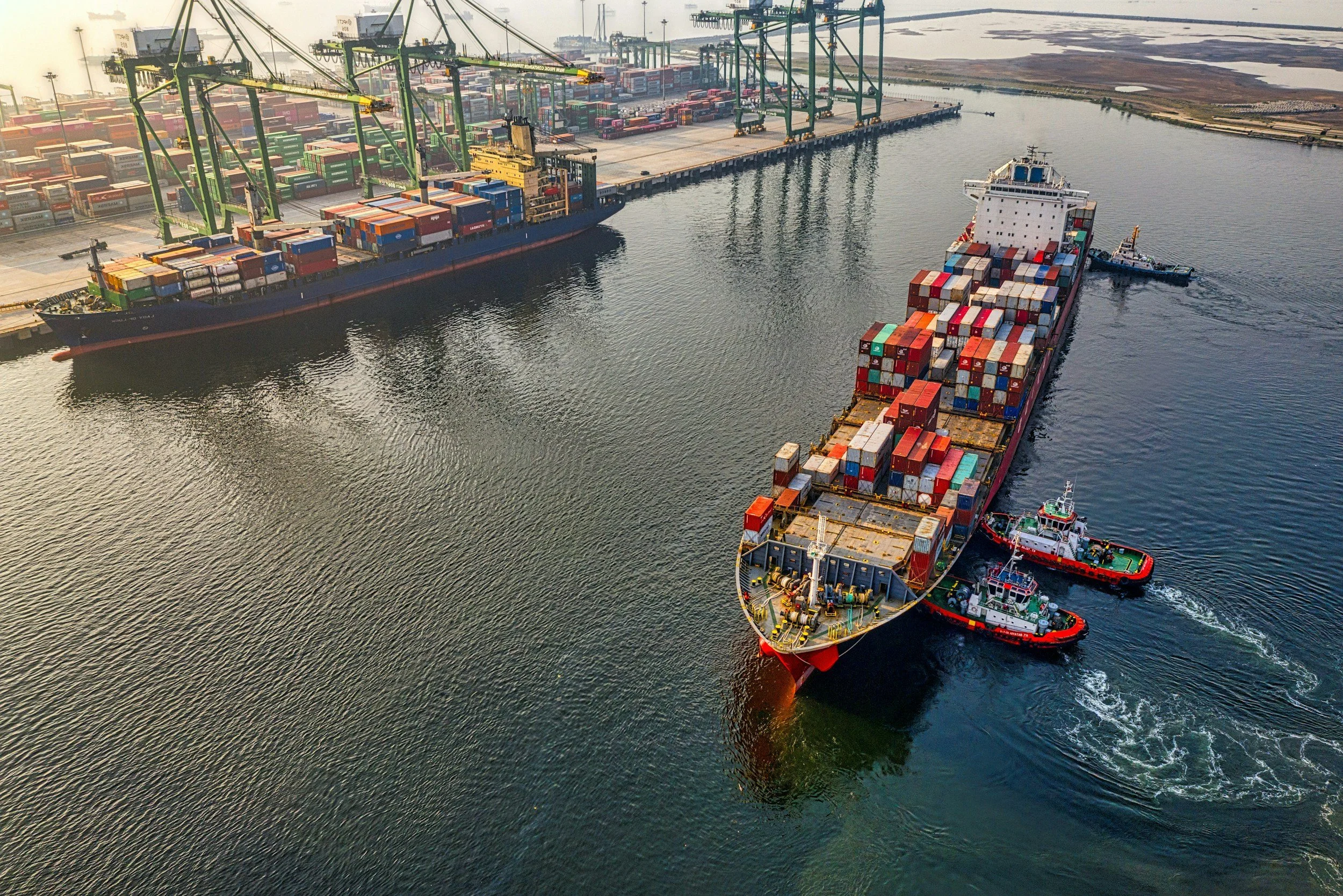
Blockchain in Maritime: Securing Shipping Transactions and Cargo Tracking
Blockchain in maritime is transforming how shipping transactions and cargo tracking are managed by creating secure, transparent, and tamper-proof digital records. It reduces fraud, improves efficiency, enables real-time visibility of goods, and introduces automation through smart contracts. As global supply chains become more complex, blockchain offers a scalable solution to longstanding challenges in shipping operations.
Introduction to Blockchain in Maritime
The maritime industry underpins global trade, with over 80 per cent of goods transported by sea. Despite its scale and importance, shipping has traditionally relied on paper-based documentation, fragmented systems, and manual processes. These inefficiencies create opportunities for fraud, delays, and costly errors.
Blockchain technology is emerging as a powerful solution to these challenges. By offering a decentralised, transparent, and secure system for recording transactions, blockchain is reshaping how shipping companies, port authorities, and cargo owners manage operations. From digitising bills of lading to enabling real-time cargo tracking, blockchain is setting a new standard for trust and efficiency in maritime logistics.
What Is Blockchain in Maritime?
Blockchain is a distributed ledger technology that records transactions across a network of computers. Each transaction is stored in a block and linked to the previous one, forming a chain that is nearly impossible to alter without consensus from the network.
In the maritime context, blockchain is used to record shipping transactions, track cargo movements, and manage documentation securely. Every stakeholder in the supply chain, including shippers, carriers, freight forwarders, customs authorities, and insurers, can access a single, shared version of the truth.
For a deeper understanding of how blockchain strengthens digital systems, this resource on blockchain for enhanced business security explains the core principles behind its reliability and resilience.
Challenges in Traditional Shipping Transactions and Cargo Tracking
Before blockchain adoption, maritime operations have faced several persistent challenges:
1. Lack of Transparency
Shipping involves multiple parties across different jurisdictions. Information is often siloed, leading to miscommunication and limited visibility into cargo status.
2. Paper-Based Documentation
Documents such as bills of lading, invoices, and customs declarations are often handled manually. This increases the risk of loss, forgery, and processing delays.
3. Fraud and Security Risks
Fraudulent activities such as document tampering, cargo theft, and false reporting are ongoing concerns. Without a secure system, verifying authenticity becomes difficult.
4. Inefficient Processes
Manual verification and reconciliation slow down operations. Delays in documentation can result in cargo being held at ports, leading to increased costs.
5. Limited Real-Time Tracking
Traditional tracking systems rely on periodic updates rather than continuous data streams. This makes it difficult to respond quickly to disruptions.
These challenges highlight the need for a more robust, secure, and efficient system, which is where blockchain technology excels.
How Blockchain Enhances Security in Shipping Operations
Blockchain addresses many of the vulnerabilities in maritime operations by introducing several key security features:
Immutable Records
Once data is recorded on a blockchain, it cannot be altered without consensus from the network. This ensures that shipping documents and transaction records remain tamper-proof.
Decentralisation
Instead of relying on a single central authority, blockchain distributes data across multiple nodes. This reduces the risk of system failure or targeted cyberattacks.
Encryption and Privacy
Blockchain uses advanced cryptographic techniques to secure data. Only authorised participants can access specific information, ensuring confidentiality.
For businesses concerned about safeguarding sensitive data, adopting strategies such as those outlined in enhancing your digital privacy best practices for online security can complement blockchain implementation.
Smart Contracts
Smart contracts are self-executing agreements coded on the blockchain. They automatically trigger actions when predefined conditions are met. For example, payment can be released once cargo reaches its destination and is verified.
Fraud Prevention
Because all transactions are recorded transparently and cannot be altered, blockchain significantly reduces opportunities for fraud. Stakeholders can verify the authenticity of documents and transactions in real time.
To understand how blockchain is being applied in global trade, the IBM blockchain overview provides a comprehensive explanation of its use cases across industries. Additionally, the U.S. International Trade Administration’s blockchain insights highlight its growing role in international commerce.
Real-Time Cargo Tracking with Blockchain Technology
One of the most transformative applications of blockchain in maritime is real-time cargo tracking.
Continuous Data Updates
Blockchain integrates with Internet of Things devices such as GPS trackers and sensors. These devices continuously feed data into the blockchain, providing real-time updates on cargo location, temperature, humidity, and handling conditions.
Enhanced Visibility
All stakeholders have access to the same real-time data. This transparency allows shipping companies, port authorities, and customers to monitor cargo throughout its journey.
Improved Accountability
Every action, from loading to delivery, is recorded on the blockchain. This creates a clear audit trail, making it easier to identify and address issues.
Faster Decision-Making
With accurate and up-to-date information, stakeholders can respond quickly to disruptions such as delays, route changes, or environmental risks.
Reduced Disputes
Because data is shared and verified across the network, disputes over cargo condition or delivery timelines are significantly reduced.
Benefits of Blockchain for Shipping Companies and Cargo Owners
The adoption of blockchain technology delivers a wide range of benefits for both shipping companies and cargo owners.
Increased Efficiency
Automating processes such as documentation and payments reduces administrative workload and speeds up operations.
Cost Savings
By minimising delays, reducing paperwork, and preventing fraud, blockchain helps lower operational costs across the supply chain.
Improved Trust
Transparency and immutability build trust among stakeholders. All parties can rely on the accuracy of shared data.
Better Compliance
Blockchain simplifies compliance with regulatory requirements by maintaining accurate and accessible records.
Enhanced Customer Experience
Real-time tracking and faster processing improve service quality for customers, leading to greater satisfaction and loyalty.
Scalability
Blockchain systems can scale to accommodate growing volumes of transactions, making them suitable for global shipping networks.
Environmental Impact
Reducing paperwork and optimising logistics contributes to more sustainable shipping practices.
Conclusion
Blockchain is rapidly becoming a cornerstone of modern maritime operations. By addressing longstanding challenges in shipping transactions and cargo tracking, it offers a secure, transparent, and efficient alternative to traditional systems.
As the industry continues to evolve, blockchain will play a crucial role in enabling smarter supply chains, reducing risks, and improving collaboration among stakeholders. Shipping companies and cargo owners that embrace this technology will be better positioned to navigate the complexities of global trade and meet the demands of an increasingly digital world.
Frequently Asked Questions
How does blockchain improve cargo tracking?
Blockchain improves cargo tracking by providing real-time, tamper-proof data on the location and condition of goods. It integrates with tracking technologies to deliver continuous updates that are accessible to all authorised stakeholders.
What are smart contracts in shipping?
Smart contracts are digital agreements stored on a blockchain that automatically execute when predefined conditions are met. In shipping, they can be used to trigger payments, release documents, or confirm delivery without manual intervention.
Which shipping processes benefit most from blockchain?
Processes that benefit most include documentation management, cargo tracking, customs clearance, payment processing, and compliance reporting. These areas see significant improvements in efficiency, transparency, and security through blockchain adoption.