Everest Region Treks in Nepal – Explore Base Camp, High Passes & Hidden Trails
The Everest region of Nepal is more than just the home of the world’s highest mountain. It is a vast Himalayan landscape shaped by ancient glaciers, deep valleys, resilient communities, and some of the most rewarding trekking routes on Earth. For trekkers, this region offers a rare combination of iconic landmarks, demanding high-altitude crossings, and quieter trails that reveal a more intimate side of the Khumbu.
As someone who has worked closely with trekking content and traveler intent for years, I have seen how Everest region journeys continue to evolve. Today’s trekkers are not only drawn to famous viewpoints but also to meaningful experiences, cultural depth, and well-planned routes that balance challenge and comfort. This guide explores the most remarkable Everest region treks, including base camp routes, high pass adventures, and lesser-known trails that deserve attention.
Why the Everest Region Captivates Trekkers Worldwide
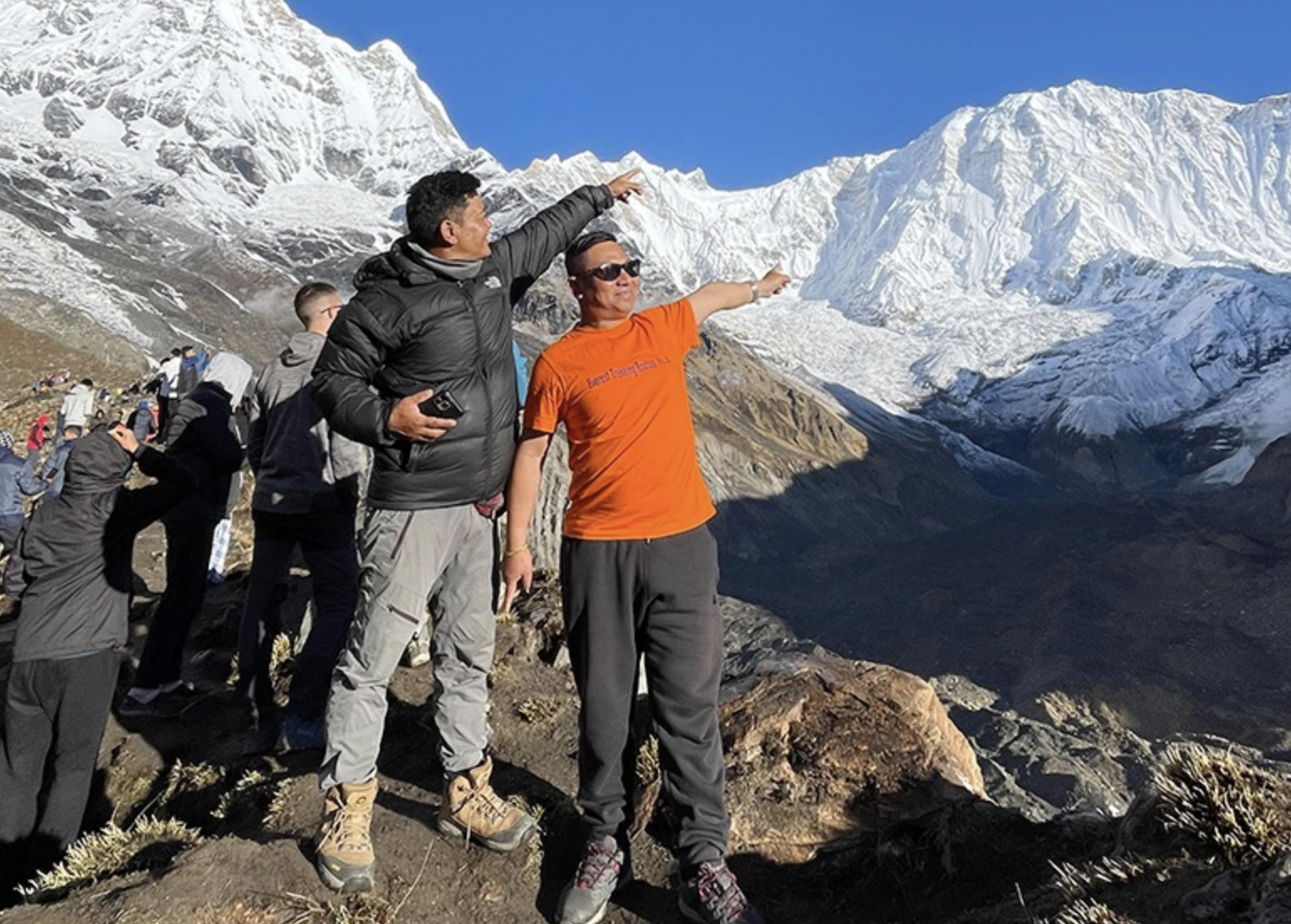
The Everest region, also known as the Khumbu, stands apart from other Himalayan destinations due to its dramatic elevation changes and rich Sherpa heritage. From the moment trekkers land in Lukla, the journey unfolds through stone-built villages, prayer wheels, suspension bridges, and alpine forests that gradually give way to stark, glacial terrain.
What makes this region truly special is the variety it offers. Some routes are ideal for first-time high-altitude trekkers, while others are designed for seasoned adventurers seeking remote passes and extended itineraries. Along the way, trekkers experience:
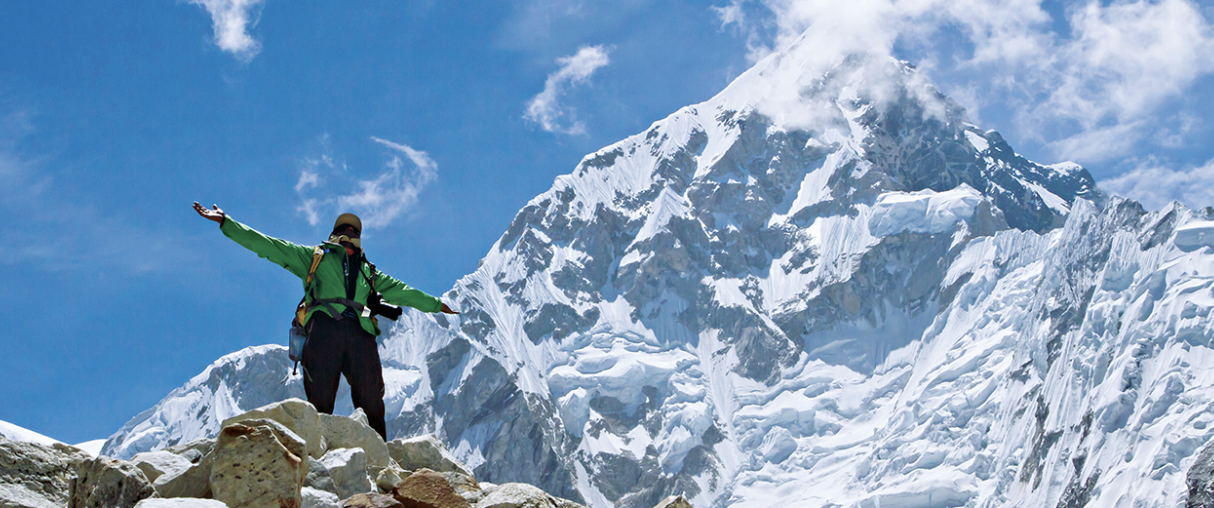
Close views of Everest, Lhotse, Ama Dablam, and Nuptse
Ancient monasteries such as Tengboche and Pangboche
High-altitude lakes, glaciers, and windswept plateaus
Warm hospitality in traditional teahouses
This balance of natural grandeur and human connection is why Everest region treks in Nepal remain at the top of many travelers’ bucket lists.
Classic Route to the Foot of Everest
The most recognized journey in the region is the Everest Base Camp trek Nepal, a route that has become a rite of passage for mountain lovers. While the destination itself is legendary, the trek is equally about the journey through the heart of the Khumbu.
The trail passes through Namche Bazaar, the region’s main hub, where trekkers acclimatize and explore local markets and viewpoints. Higher up, villages become smaller, landscapes more rugged, and the air noticeably thinner. Reaching base camp is an emotional moment for many, as it places trekkers at the base of a mountain they have seen in photographs all their lives.
This trek is well-suited for those who want a structured route with good infrastructure, steady acclimatization days, and a strong sense of shared experience with fellow trekkers from around the world.
Crossing High Terrain on the Chola Pass Route
For trekkers looking to go beyond the standard base camp path, the Everest Chola Pass trek Nepal offers a rewarding alternative. This route combines the base camp experience with the stunning Gokyo Valley and a challenging high pass crossing.
Chola Pass connects the Everest Base Camp area with the turquoise lakes of Gokyo, creating a circuit that showcases contrasting landscapes. One day you may be walking alongside glaciers, and the next you are overlooking serene lakes framed by towering peaks.
Key highlights of this trek include:
Crossing Chola Pass at over 5,400 meters
Exploring the Gokyo Lakes region
Viewing Everest from Gokyo Ri, a quieter alternative to Kala Patthar
Experiencing varied terrain within a single itinerary
This trek is ideal for those with previous trekking experience who want a more diverse and less crowded journey without committing to the longest routes in the region.
The Ultimate Challenge of Three High Passes
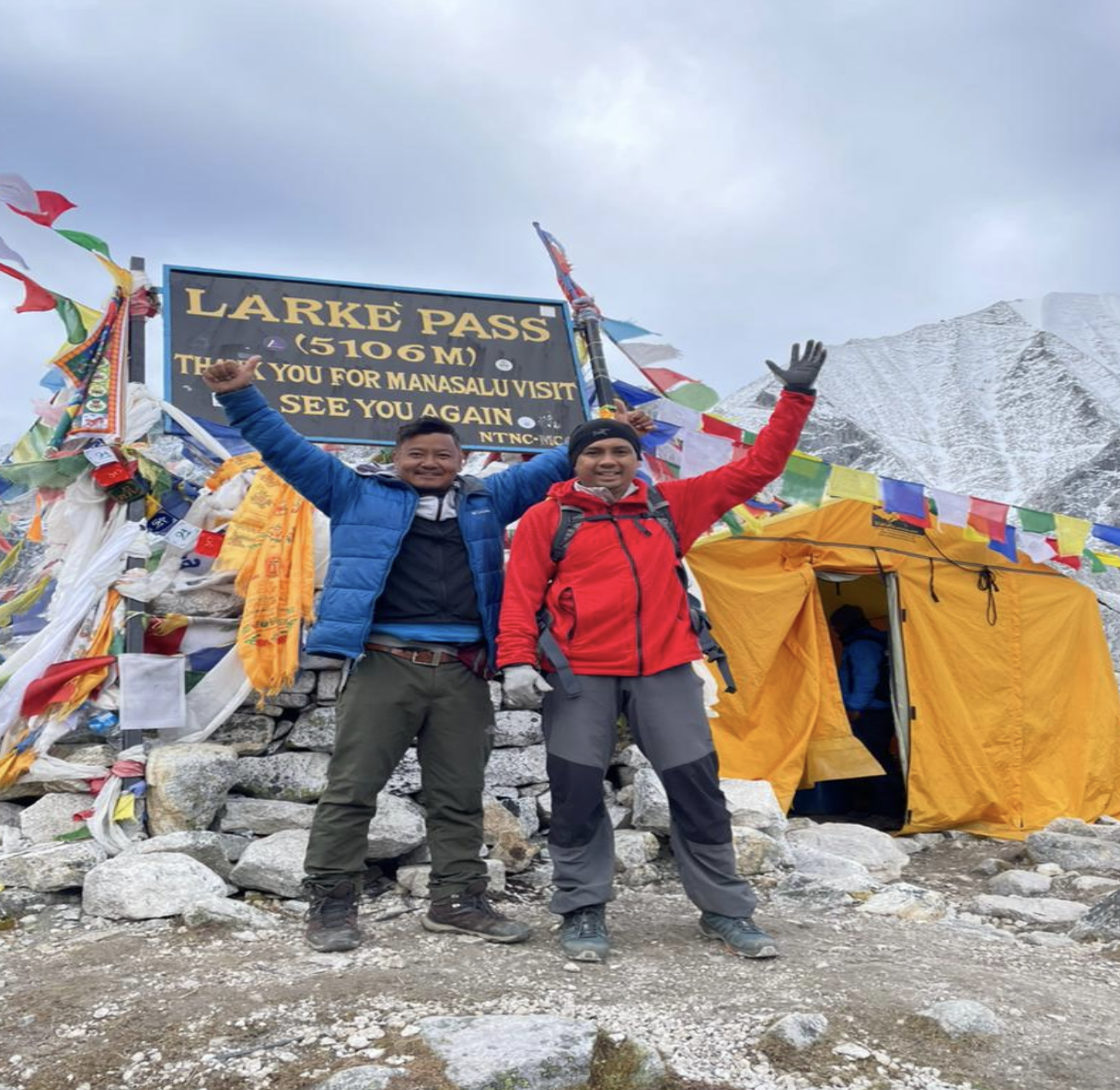
Among all Everest region treks, the Everest Three High Pass trek stands as the most comprehensive and demanding. It links three major passes Kongma La, Chola Pass, and Renjo La into one extended circuit that covers nearly every corner of the Khumbu.
This trek is not about reaching a single destination but about immersion. Over several weeks, trekkers move through remote valleys, high ridgelines, and quiet villages rarely seen by those on standard routes. The sense of accomplishment grows with each pass crossed and each new landscape revealed.
This route suits trekkers who value solitude, physical challenge, and complete exploration of the region. Proper acclimatization and preparation are essential, but the reward is an unmatched Himalayan experience.
Hidden Trails and Lesser-Known Routes
Beyond the well-known paths, the Everest region hides quieter trails that offer equally memorable experiences. These routes often branch away from main trekking highways and lead to villages where life moves at a slower pace.
Examples include routes toward Thame, a historic Sherpa village, or extended stays in the Gokyo Valley without crossing major passes. These lesser-used trails are perfect for trekkers who prefer reflection over crowds and want to engage more deeply with local culture.
Hidden trails often feature:
Fewer trekkers and a more peaceful atmosphere
Authentic village life and traditional farming practices
Unique viewpoints not found on standard itineraries
Incorporating these trails into a trekking plan can transform a familiar route into a more personal journey.
Choosing the Right Trek for Your Goals
Selecting the right Everest region trek depends on several factors, including fitness level, available time, and personal interests. Some trekkers prioritize iconic landmarks, while others seek challenge or solitude.
Consider the following when planning:
Experience level with high-altitude trekking
Number of days available for the journey
Interest in cultural exploration versus physical challenge
Comfort with variable weather and terrain
Matching these factors with the appropriate route ensures a safer and more enjoyable experience in the mountains.
Best Seasons and Preparation Tips
Timing plays a crucial role in the success of any Everest region trek. The most popular seasons are spring and autumn, when skies are generally clear and temperatures are manageable. Winter treks offer solitude but require cold-weather preparedness, while summer brings monsoon conditions at lower elevations.
Preparation should include:
Gradual physical training focused on endurance
Allowing sufficient acclimatization days
Packing layers suitable for changing conditions
Understanding altitude symptoms and responses
Well-prepared trekkers are more likely to enjoy the journey rather than simply endure it.
A Journey That Stays With You
Everest region treks in Nepal are not just about reaching high points on a map. They are about moving through landscapes that challenge the body and inspire the mind, while learning from communities that have thrived in extreme environments for generations.
Whether you choose the classic Everest Base Camp trek Nepal, the scenic Everest Chola Pass trek Nepal, or the demanding Everest Three High Pass trek, each route offers a different perspective on the Himalayas. Together, they form a region that continues to captivate trekkers long after the journey ends, leaving memories that feel as vast and enduring as the mountains themselves.
Plan Your Everest Region Trek with Local Expertise
Planning a trek in the Everest region involves more than choosing a route. Altitude, acclimatization, seasonal conditions, and pacing all play a key role in creating a safe and rewarding experience. Whether you are heading to Everest Base Camp, crossing high passes like Chola Pass or Renjo La, exploring the Gokyo Valley, or walking quieter trails in the Khumbu, experienced local insight can help you plan a journey that matches your goals and abilities.
If you are considering hiking or trekking in Nepal and value honest advice, well-paced itineraries, and deep knowledge of the Himalayan landscape and Sherpa culture, feel free to get in touch to discuss your plans.
📱 WhatsApp / Contact: +977 9851205116
📧 Gmail: ebchike99@gmail.com