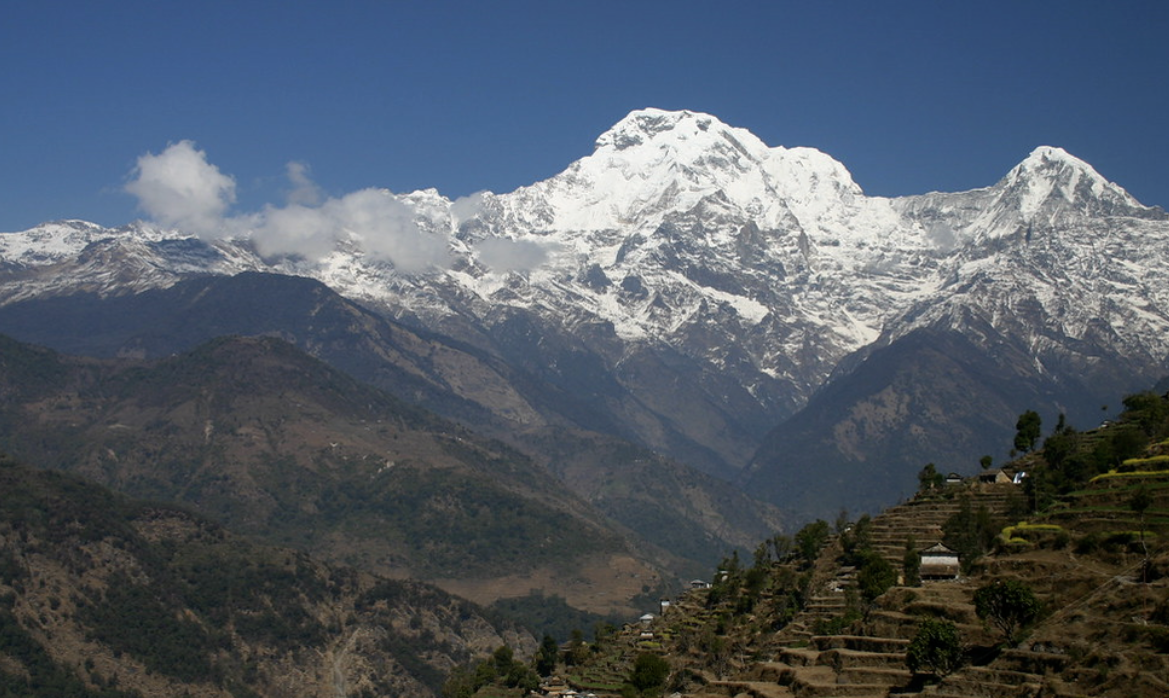
Annapurna Base Camp Trek Altitude Sickness Guide: Prevention & Safety Tips
Annapurna Base Camp Trek Altitude Sickness is one of the most important topics every trekker should understand before starting this popular Himalayan journey. The trail goes through lovely villages, forests and mountain landscapes before reaching the Annapurna Base Camp (4,130 m/13,550 ft). More oxygen is required in the air as elevation rises and the body's function in the air becomes more difficult.
Each year, a lot of people make the journey safely, even beginners. But altitude sickness can happen to anyone, due to their age, fitness or level of trek experience. Understanding the signs, how to avoid issues and the appropriate actions to take can make your journey much safer and more enjoyable. This guide presents all the information you need in an easy-to-understand format, so you can prepare with confidence.
What Is Altitude Sickness?
Acute Mountain Sickness (AMS) is a condition that occurs when the body is not able to adapt to the reduced oxygen levels of higher altitudes in a timely fashion. The air pressure decreases with elevation rise, meaning each breath will have less oxygen.
Symptoms tend to start at elevations over 2,500 m (8,202 ft), but some people might experience mild symptoms at lower elevations. This level is above which many overnight stops are situated on the Annapurna Base Camp trek and it is important to acclimatize yourself properly during the trek.
The effect of altitude sickness in the Annapurna Base Camp Trek is typically slow to develop. If the symptoms are mild, rest, rehydration and not climbing further may be sufficient. But it's possible for the condition to be much worse if ignored.
Why the Annapurna Base Camp Trek Involves Altitude Risk
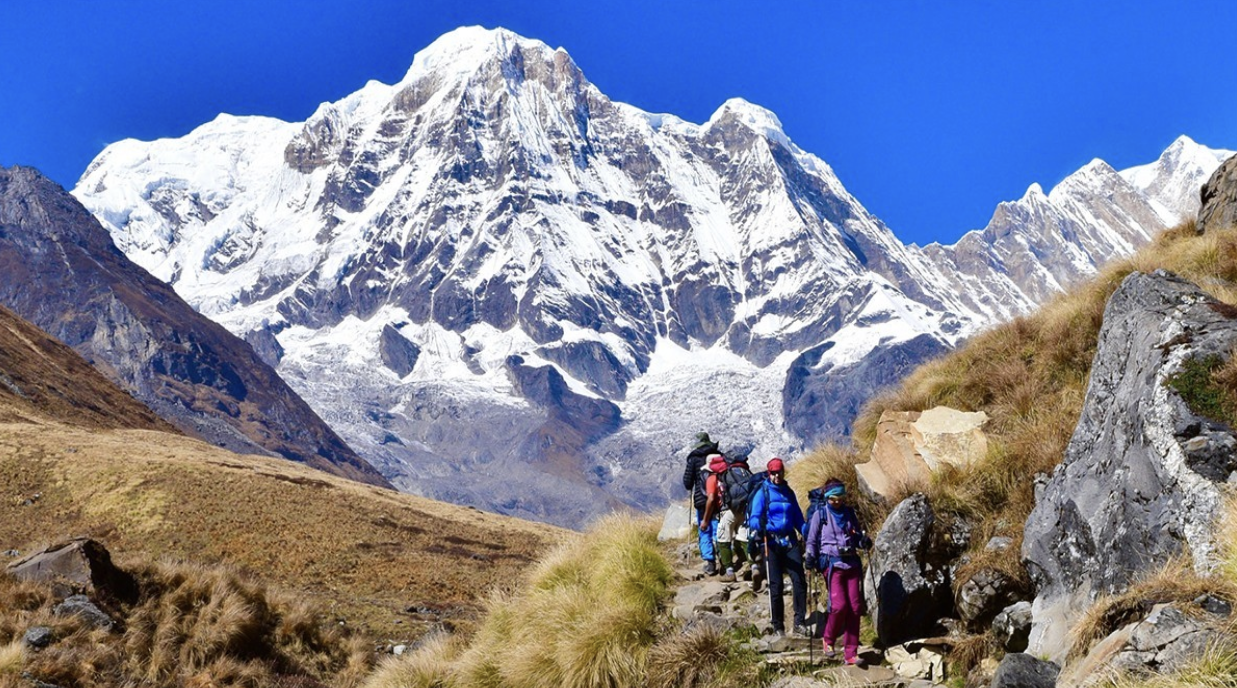
The Annapurna Base Camp trek is a moderate trek by Himalayan standards, as it reaches a high elevation in the Himalayas. The walk typically starts at lower villages like Jhinu Danda or Ghandruk and then ascends through the villages of Chhomrong, Bamboo, Deurali, Machhapuchhre Base Camp and finally Annapurna Base Camp.
But the peak of the hike is at Annapurna Base Camp (4130 m/13,550 ft). Many trekkers gain in elevation over several days and the body has sufficient time to adapt. But it still affects each person differently at higher elevations. Some people do not have any symptoms; others may have a headache or fatigue even when they follow a correct itinerary.
By learning about Altitude Sickness, trekkers can avoid the pitfalls of pushing too fast or disregarding early signs and symptoms.
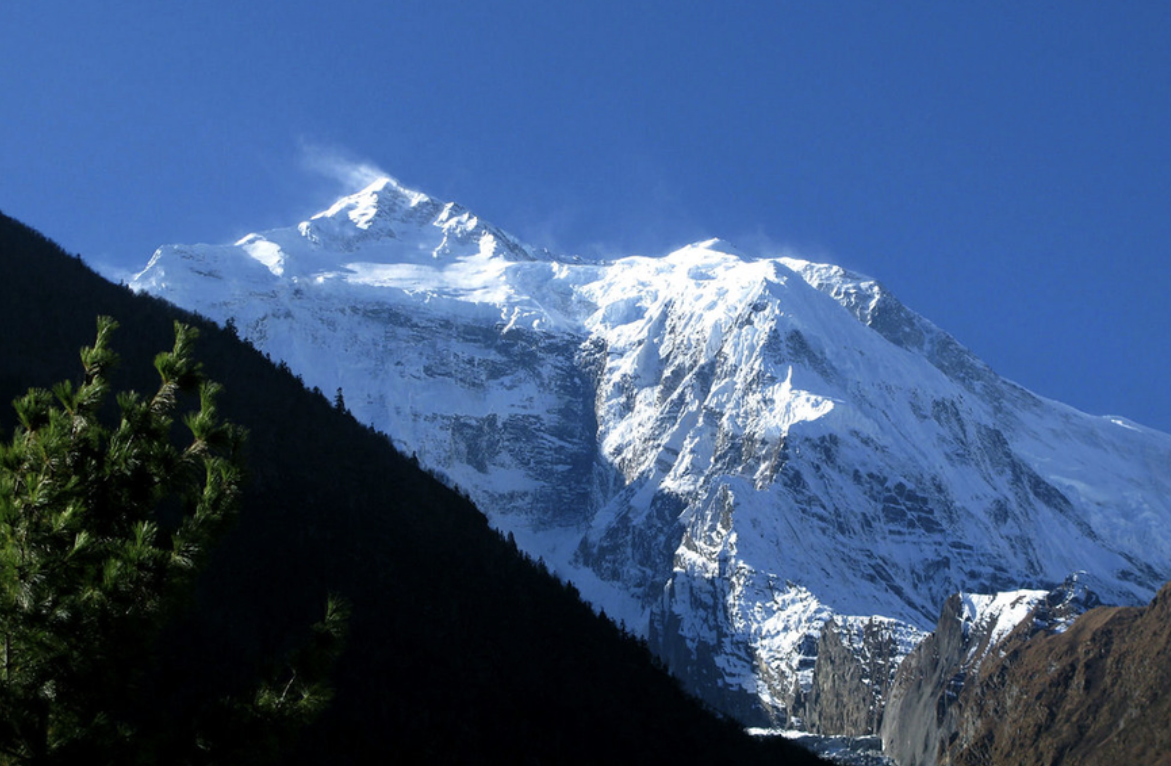
Common Symptoms of Altitude Sickness
Initial symptoms of altitude sickness are typically easy to spot and fairly mild if you know what to look for. The most common symptom is a headache, which is sometimes accompanied by a sense of tiredness, unlike normal fatigue during trekking.
Some trekkers also find themselves dizzy, losing their appetite, feeling uncomfortable, having difficulty with sleep and short of breath during exercise. There is sometimes mild swelling of the hands or face. Typically develop within a few hours of reaching a higher altitude.
If symptoms are severe, quick action should be taken. If there is confusion, walking difficulty, severe restlessness or breathlessness, a frothy cough or loss of consciousness, you may be experiencing life-threatening altitude illness. The patient needs to descend and receive emergency care right away.
Who Is More Likely to Get Altitude Sickness?
Anyone is capable of getting altitude sickness. Experienced, young and healthy trekkers are not immune. Physical fitness makes it easier to walk a longer distance, not from the changes in oxygen levels.
Those who climb too fast, lack acclimatization or fail to pay attention to early symptoms run a higher risk. Past episodes of altitude illness can also predispose you to future episodes, but the symptoms might be different each time.
It is impossible to predict who will get altitude sickness and who won't. This is why all those on the trail must follow sound trekking practices.
How to Prevent Altitude Sickness
The safest time to decrease the risk is to give your body enough time to adjust. The normal Annapurna Base Camp trekking routes are planned to go higher every day, which will help the trekkers to acclimatize naturally.
It is good to walk at a comfortable speed rather than rush. People often try to walk faster to "catch up" with others, but this will make them walk unevenly and can cause strain.
It's also essential to drink enough water. Higher altitudes may mean increased loss of fluids due to respiration and exertion. Water helps keep the body functioning normally and can be used to help ease the symptoms of altitude.
Eating normal meals helps keep energy levels up. If your appetite wanes a bit, don't skip calories eat adequate carbs and well-rounded meals along the way.
Quality sleep each night gives your body more time to recuperate. Don't drink too much alcohol before and during the trek, since this can increase dehydration and make it more difficult to identify the effects of being at high altitudes.
These small things are a crucial part of Annapurna Base Camp Trek Safety and can help make your trek a more comfortable experience.
Can Medication Help?
Some hikers take a drug called acetazolamide (Diamox) to get used to higher altitudes faster. It is used generally as a preventive treatment or for mild symptoms, with medical direction.
It should never be used as a substitute for good acclimatisation or careful planning. If you are taking a preventive medicine, you should proceed slowly, drink plenty of water and watch your body.
Please speak to a qualified health care professional for advice before using any altitude medication, in case it is not appropriate for your health condition.
What Should You Do If Symptoms Appear?
If you have a mild headache and are feeling unusually tired, discontinue your climb for the day and observe. Get plenty of rest, fluids, light foods and allow time for your body to adjust. If no extra elevation is gained, many mild cases clear up spontaneously.
When signs of deterioration appear, the best remedy is to go to a lower altitude. Just a few hundred metres can make a difference.
Do not dismiss any symptoms that last or go on and do not climb more because you hope they will pass. Continuing to gain elevation while sick greatly increases the risk of developing serious complications.
Knowing what it means to experience Altitude sickness on the Annapurna Base Camp Trek is to know that it's not a failure to descend. It is the most effective and safe treatment.
The Role of Guides During the Trek
An experienced guide can offer an added level of security on the Annapurna Base Camp Trek. Guides are constantly aware of signs and symptoms of altitude sickness and know when and if rest, itinerary modification and/or descent may be required.
Professional guides are also familiar with the health posts, communication centres and evacuation routes in case of an emergency. They can make decisions based on weather conditions, trail progress and the conditions of each trekker involved.
For first-timers, the experience of trekking with a licensed guide makes it easier to get more confident and safer in the Annapurna Base Camp Trek.
Emergency Situations at High Altitude
Severe altitude sickness is rarely suffered on the Annapurna Base Camp trek, but it must not be underestimated. High Altitude Pulmonary Edema (HAPE) occurs in the lungs and High Altitude Cerebral Edema (HACE) in the brain. Both conditions are medical emergencies!
If the person is having difficulty breathing at rest, is confused, cannot walk without difficulty or is unconscious, they should descend right away and have urgent medical attention. Delaying treatment can become life-threatening.
If it's necessary to seek emergency assistance, comprehensive travel insurance with high altitude trekking and helicopter evacuation coverage offers valuable protection.
Practical Tips Before You Start
It is easier to manage altitude if you are well prepared before you begin your trek. Get fit by walking, hiking or exercising in your own home for the weeks before your trip. While fitness does not keep you from getting altitude sickness, it makes long days on the trekking trail more comfortable!
Don't forget to pack warm clothes, as the elevation increases, the chilly climate starts to get chillier. Bring a water bottle, medications, sun cream and a first aid kit with you. Pay attention to your guide's guidance, go at your own pace and do not compare yourself with others on the trek.
The most important thing is to be flexible when planning your trip. It's always better to give your body more time to get ready than to rush towards your destination.
Conclusion
Familiarizing yourself with the symptoms of altitude sickness in the Annapurna Base Camp Trek is an excellent way to prepare for a successful and safe trip to the base camp of Annapurna. The journey goes high at the point 4130 m (13550 ft), but with a gradual plan of the hike, drinking water and maintaining a proper diet, most hikers will be able to make it through without serious complications if they take the time to listen to their body's warning.
Anyone is susceptible to altitude sickness, but when it is recognized and appropriate action is taken, the danger of causing serious illness is greatly minimized. With careful planning, responsible trekking and safety as your top priority, you can make the incredible journey to Annapurna Base Camp more confident and peaceful.