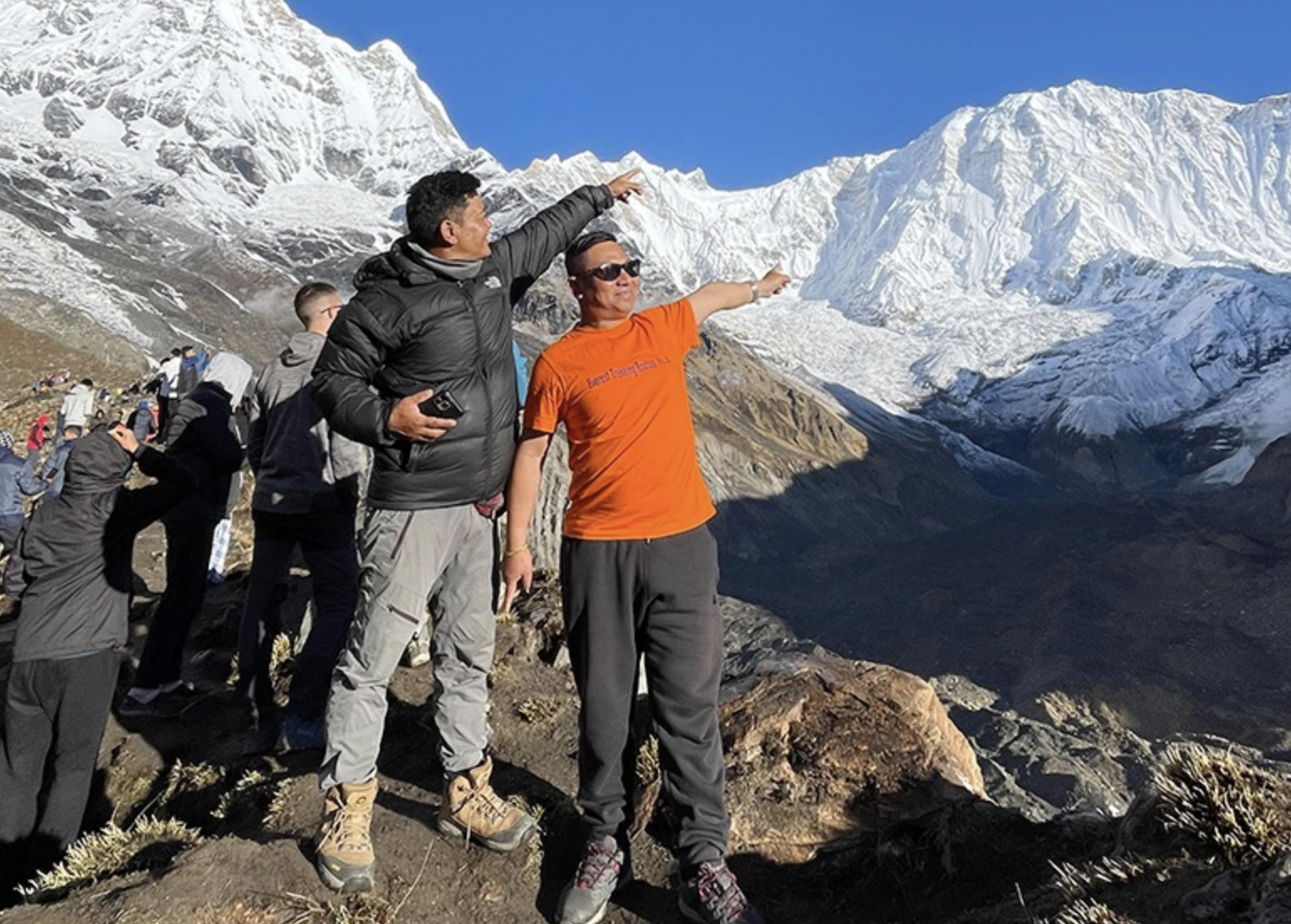
Manaslu Circuit Trek, Mera Peak Climbing, Langtang Valley Trek & Gokyo Renjo La Pass Trek: A Practical Guide to Four of Nepal's Best Himalayan Adventures
Introduction — Choosing the Right Nepal Trek for Your Adventure
Nepal doesn't exactly make this easy for you. Open any trekking forum and you'll find a dozen routes competing for your attention, each one promising the trip of a lifetime. The real question isn't which trek is "best" — it's which one actually fits your time, your fitness, and the kind of experience you're after. This guide looks at four very different options: the Manaslu Circuit Trek, Mera Peak climbing, the Langtang Valley Trek, and the Gokyo Renjo La Pass Trek. Manaslu takes you through remote, Tibetan-influenced country over a serious high pass. Mera Peak is less a trek and more an introduction to basic mountaineering, with a genuine summit at the end. Langtang suits people who don't have three or four weeks to spare but still want proper Himalayan trekking. And Gokyo Renjo La combines turquoise lakes with Sherpa villages and a demanding crossing. Rather than just listing highlights, we'll get into what each route is actually like to walk.
Manaslu Circuit Trek: Remote Himalayan Scenery and the Larkya La Pass
What Makes the Manaslu Circuit Different?
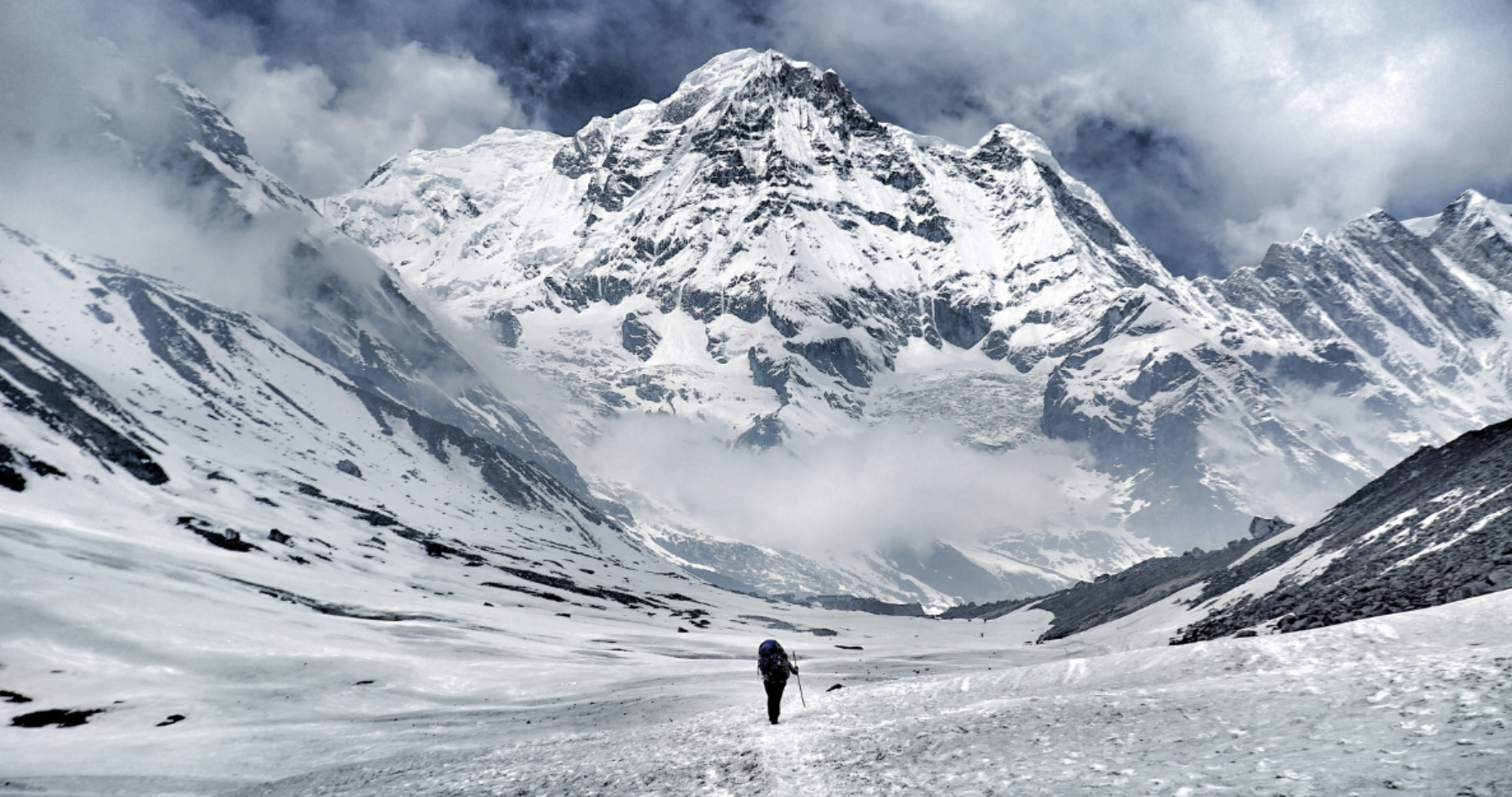
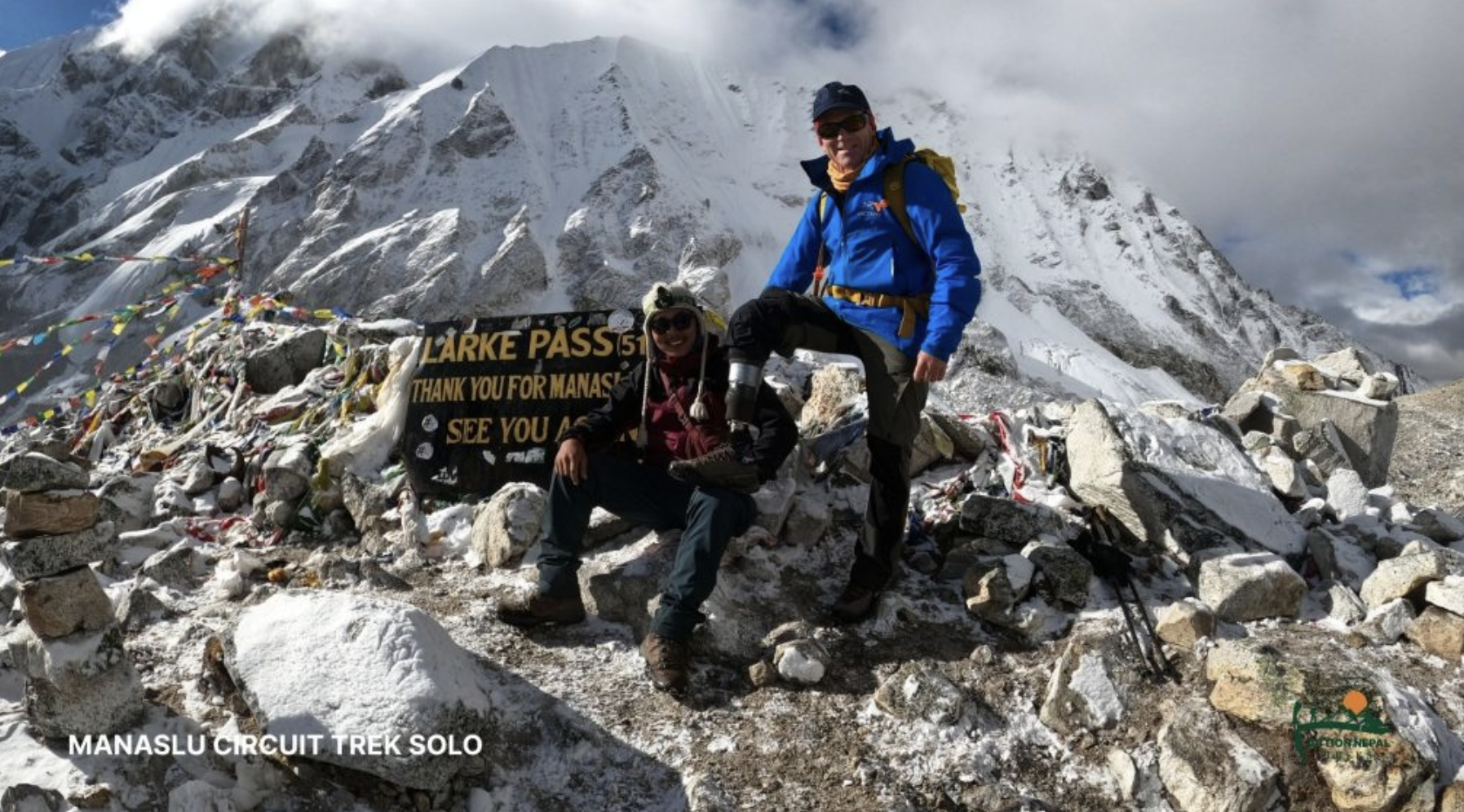
The Manaslu Circuit doesn't get the crowds that Annapurna or Everest Base Camp pull in, and that's really the point of going. You start low, walking through terraced farmland and mixed forest along the Budhi Gandi river, and the landscape shifts gradually — villages get sparser, the air gets thinner, and the architecture starts looking more Tibetan than Nepali the higher you climb. By the time you reach places like Samagaon and Samdo, you're deep in Buddhist territory, with prayer flags, mani walls, and monasteries tucked against the hillsides. The whole trek builds toward Larkya La Pass, sitting above 5,100 metres, which is a long, cold, and genuinely tiring day but also the highlight most trekkers remember most vividly. Along the way you get repeated views of Manaslu itself, the eighth-highest mountain on earth, plus glaciers and alpine ridgelines that feel a world away from the lower valleys you started in. This route tends to attract trekkers who've done a classic trail before and want something quieter, or who simply prefer circuits over out-and-back trails.
Practical Side of the Manaslu Circuit
Altitude is the thing to respect here. The trek gains height steadily over roughly two weeks, which gives your body time to adjust, but skipping acclimatization days near Samagaon or Samdo is asking for trouble. As for Manaslu Circuit Trek accommodation, you're looking at teahouses the whole way — simple twin rooms, shared bathrooms lower down, and increasingly basic setups as you approach the pass, where a hot shower might mean a bucket rather than a tap. Don't expect luxury; expect a warm dining room with a stove and decent company. On the food side, Manaslu Circuit Trek food follows the standard teahouse pattern across Nepal: dal bhat is the reliable staple (and often the best value, since refills are usually included), alongside noodle soups, momos, fried rice, and simple breakfasts of porridge, eggs, or Tibetan bread. Menus shrink as you gain elevation, and prices creep up too, since everything has to be carried in by mule or on someone's back.
Mera Peak Climbing: Nepal's High-Altitude Trekking Peak
Trekking and Climbing in One Journey
Mera Peak sits in a different category from the other three routes here — it's not just a trek, it's a climb, even if it's classed as one of Nepal's more approachable "trekking peaks." The route takes you through the lower Khumbu region before branching off toward quieter valleys, eventually reaching high camps where the actual climbing begins. What surprises a lot of first-timers is that altitude, not technical skill, is usually the bigger obstacle. At over 6,400 metres, the summit push is a long, cold night-and-early-morning effort across glaciated terrain, with fixed ropes in places and a real chance of biting wind near the top. It's not a route to attempt without an experienced climbing team — guides who know the crevasse patterns and can make the call to turn back if conditions sour, which does happen more often than people expect.
Preparation, Skills and Equipment
Mera Peak climbing preparation should start months out, not weeks. This means building real cardiovascular endurance — long days on your feet, hill repeats, stair climbing with a loaded pack — combined with general strength work and, ideally, some prior high-altitude trekking so your body has some idea what's coming. Mental preparation matters just as much; summit night is long, uncomfortable, and mentally draining before it's technically hard. On the gear side, Mera Peak climbing equipment typically includes plastic or insulated mountaineering boots, crampons, a climbing harness, helmet, ice axe, and appropriate cold-weather layering down to a proper expedition sleeping bag. Exact requirements shift depending on the season you're climbing in, current route conditions, and what your operator provides versus what you need to bring yourself, so it's worth confirming specifics rather than assuming. Not everyone attempting Mera Peak arrives with identical mountaineering experience, and a good outfit will adjust training and support accordingly rather than treating every client the same.
Langtang Valley Trek: A Shorter Route with Big Himalayan Character
Why Trekkers Choose Langtang
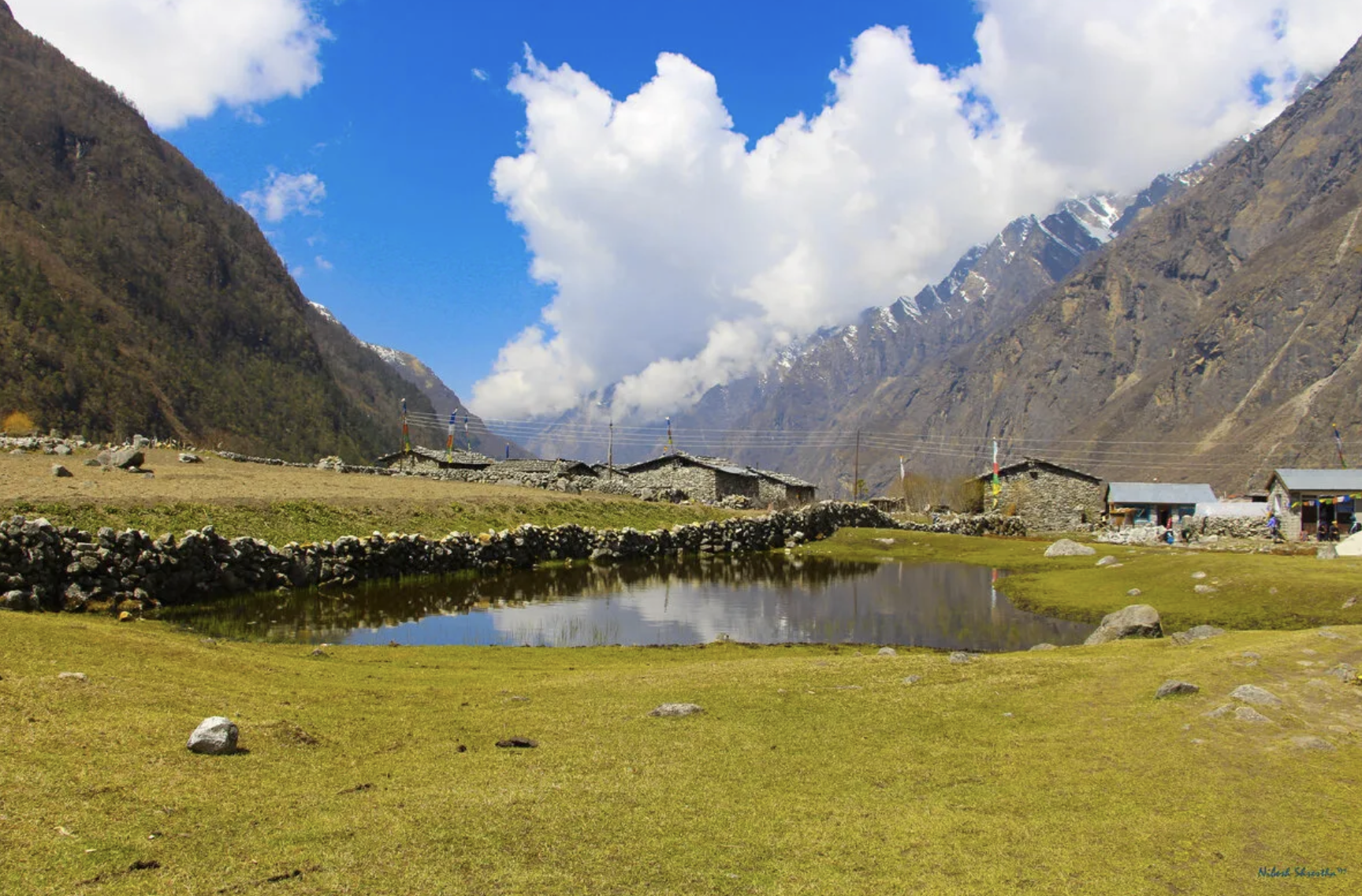
If you're short on time but don't want to compromise on scenery, Langtang is usually the answer people land on. It's close enough to Kathmandu that you're not burning days just getting to the trailhead, yet the trek still delivers dense forest, glacial rivers, and proper alpine terrain within a week to ten days. The trail passes through Tamang villages where the culture feels distinct from other trekking regions, then climbs toward Langtang village itself and on to Kyanjin Gompa, a small monastery settlement surrounded by peaks. From there, trekkers with an extra day or two often push higher for wider mountain views, though that's optional rather than the point of the trip. What makes Langtang stick with people isn't just the mountains — it's the sense of walking through a lived-in valley, not just a scenic corridor.
Food and Packing for Langtang
Meals on the Langtang Valley Trek food side stay familiar if you've trekked in Nepal before: dal bhat, fried noodles, soups, and a fair bit of Tibetan influence in the form of momos and thukpa, especially as you get closer to Kyanjin. Eggs and potatoes show up in most forms imaginable, and hot lemon or ginger tea becomes a daily ritual once the evenings turn cold. For the Langtang Valley Trek packing list, think in layers rather than bulk — a good pair of broken-in trekking shoes, a waterproof shell, insulated layers for evenings, a reliable water bottle or bladder, sun protection, and a basic first-aid kit covering blisters, headaches, and stomach upsets. What you actually need depends heavily on season and how high you're planning to go; packing for October is a different exercise than packing for a winter attempt, so it's worth checking recent trip reports rather than just following a generic checklist.
Gokyo Renjo La Pass Trek: High Lakes, Sherpa Villages and a Himalayan Pass
What the Route Offers
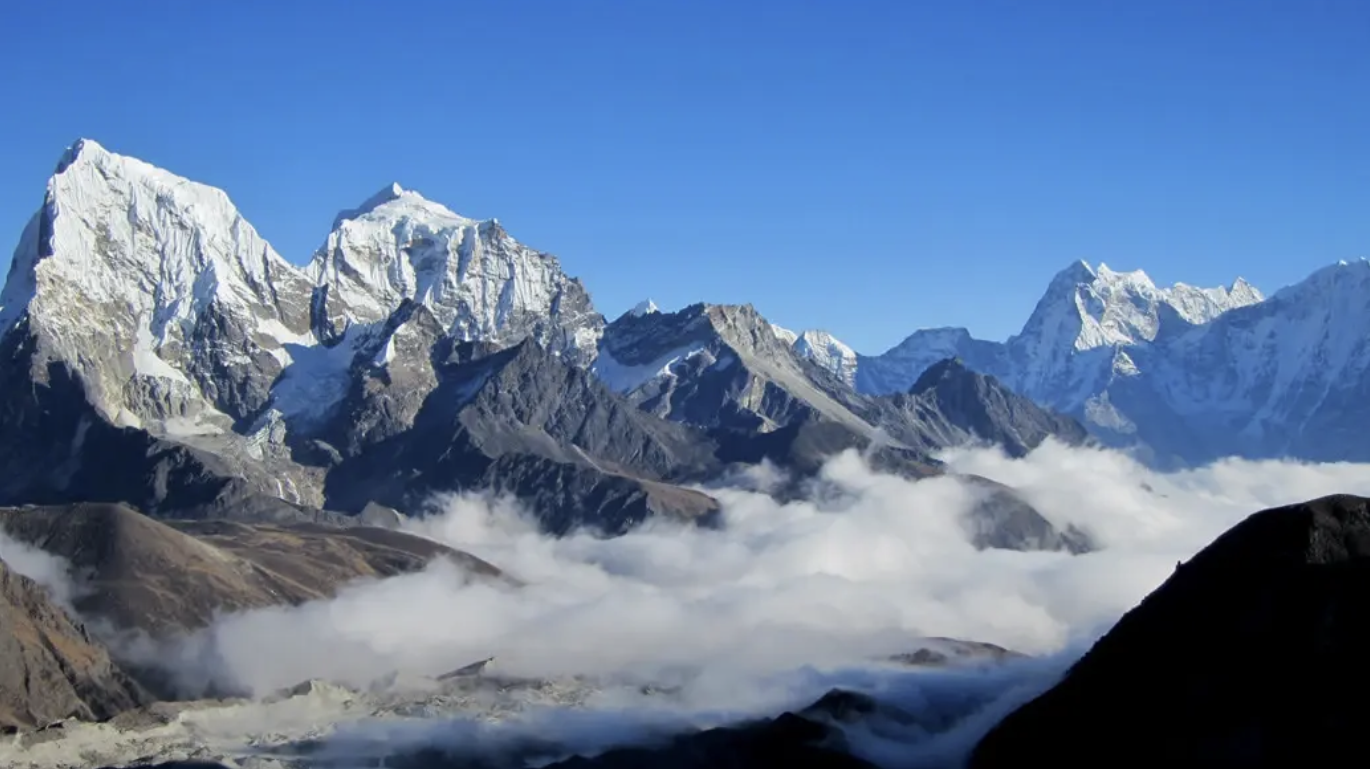
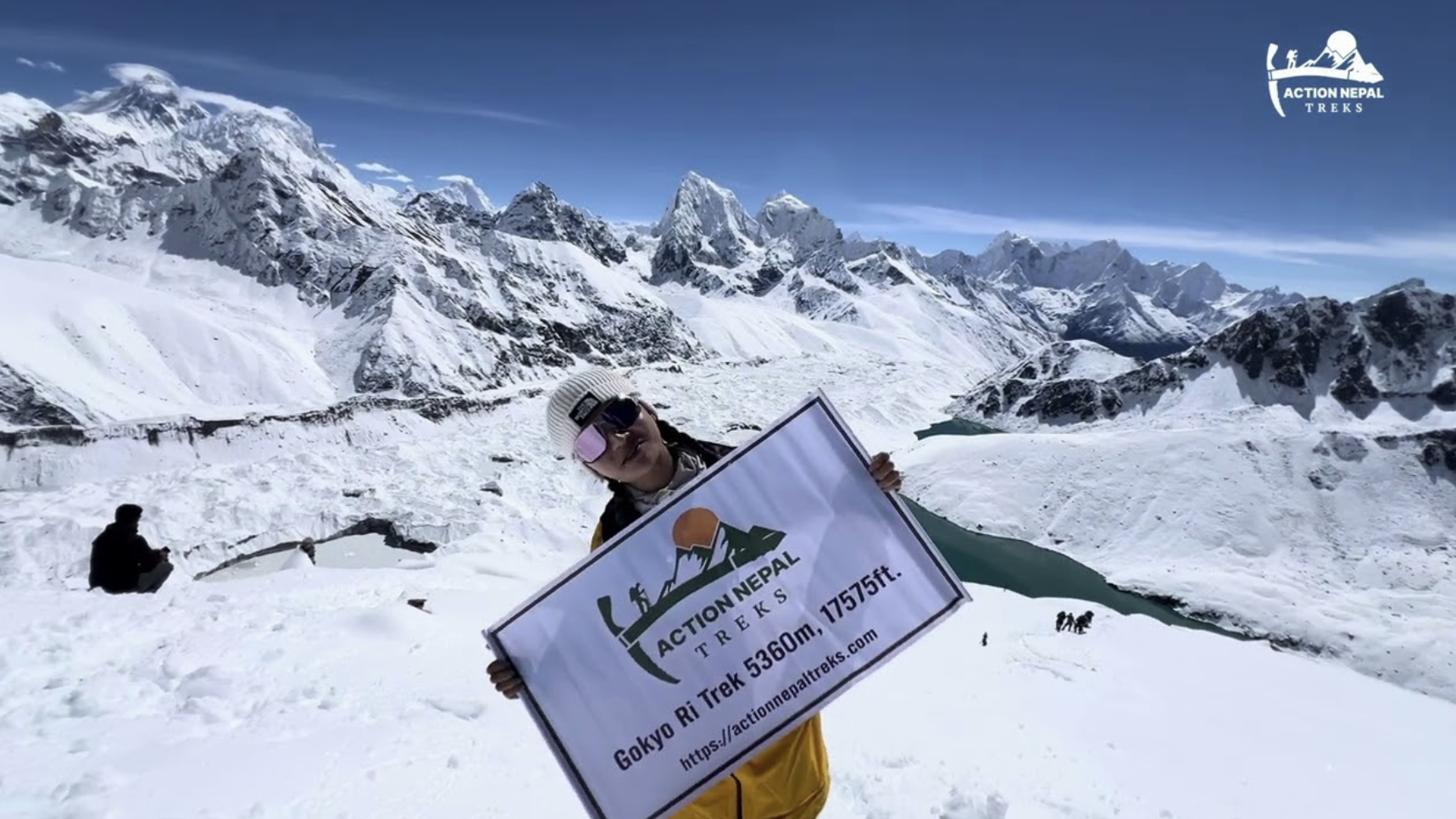
The Gokyo region is one of those places photos never quite capture properly — a string of turquoise lakes sitting beneath glaciers, with the Ngozumpa Glacier, Nepal's largest, running right alongside the trail. The route winds through Sherpa villages that carry the same warmth and hospitality the Everest region is known for, though this particular trail sees noticeably fewer trekkers than the main path toward Base Camp. Renjo La Pass, crossing above 5,300 metres, is the real test here — a steep, exposed climb that rewards you with arguably some of the best panoramic mountain views in the entire Everest region, Everest itself included. This isn't the standard Everest Base Camp itinerary, and it shouldn't be confused with it; Gokyo Renjo La is its own route, generally better suited to trekkers who've got some high-altitude experience and aren't looking for the more built-up, crowded version of Khumbu trekking.
Weather and Accommodation at High Altitude
Gokyo Renjo La Pass Trek weather can turn quickly once you're above 4,500 metres. Mornings are typically cold and clear, which is when most trekkers aim to cross the pass, while afternoons can bring wind or cloud cover rolling in off the glaciers. Conditions shift with the season too — stable and cold in autumn, warmer but hazier in spring, and considerably harsher in winter, so checking current forecasts and trail reports before you go is genuinely worth the effort rather than a formality. As for Gokyo Renjo La Pass Trek accommodation, teahouses and small lodges line the route, with basic twin rooms and shared bathroom facilities becoming the norm the higher you climb. Dining rooms double as the social hub each evening, and choice narrows considerably in the smaller settlements near Gokyo itself, where a lodge might only have a handful of rooms available during busier months.
Which of These Four Nepal Treks Is Right for You?
There's no universally "better" option among these four — it really comes down to what you're solving for. Choose the Manaslu Circuit Trek if remote landscapes, cultural depth, and a longer circuit with Larkya La as its centerpiece appeal to you. Choose Mera Peak if standing on a genuine Himalayan summit and picking up basic mountaineering skills matter more than trekking distance alone. Choose Langtang Valley Trek if your calendar is tight but you still want authentic Himalayan scenery and culture without a three-week commitment. Choose Gokyo Renjo La Pass Trek if high-altitude lakes, Sherpa villages, and a serious mountain pass sound more appealing than the well-trodden Base Camp trail. Beyond preference, weigh the practical factors too — how many days you actually have, your prior trekking or climbing experience, how your body tends to handle altitude, your current fitness level, whether you're drawn to climbing or pure trekking, how remote you want things to feel, and what season you're able to travel in.
Preparation, Permits, Guides and Responsible Trekking
No single packing list or fitness plan covers all four of these routes properly — preparation should match the specific trek, not some generic Nepal template. That said, a few things apply broadly: build cardiovascular fitness ahead of time, take acclimatization seriously rather than rushing it, carry proper travel insurance that covers high-altitude evacuation, pack clothing suited to the elevations you'll actually reach, and stay on top of hydration throughout. Permit requirements differ by region and do change from time to time, so it's worth confirming current rules before you commit to dates rather than relying on older information. Going with licensed guides or an organized trekking operator makes a real difference on the logistics side, and outfits like Action Nepal Treks are a good option for travelers who'd rather have permits, teahouse bookings, and route planning handled for them. Responsible trekking matters too — pack out what you pack in, be mindful of water and waste in fragile high-altitude environments, support local teahouses rather than bypassing them, and be respectful around monasteries and local customs along the way.
Best Time to Trek and Climb in Nepal
Autumn, roughly September through November, is the season most trekkers gravitate toward across all four routes — the air tends to be clear, mountain views are at their best, and trails are generally stable. Spring, from March to May, works well too, particularly for Mera Peak climbers, since temperatures are milder for high-altitude climbing and rhododendrons are in bloom lower down. Monsoon season, June through August, brings rain, cloud cover, and muddy trails to most of these regions, though Manaslu and parts of the Everest region sit in a partial rain shadow that softens the impact somewhat. Winter can still work for lower routes like Langtang, but expect serious cold and snow at higher elevations on Manaslu, Mera, and Gokyo. Whatever season you pick, mountain weather changes fast, and conditions near a high pass can shift within hours regardless of what the calendar says.
Final Decision: Trek the Route That Matches Your Goal
At the end of the day, these four trips solve different problems. Manaslu gives you a long, remote circuit; Mera Peak gives you an actual summit and a taste of mountaineering; Langtang gives you serious Himalayan scenery on a shorter timeline; Gokyo Renjo La gives you high lakes and a demanding pass without the Base Camp crowds. Judge your choice by the time you have, your fitness, your comfort with altitude, and what you actually want to walk away with — not by which trek shows up first in a search result.