Uganda vs Rwanda: Gorilla Trekking, Chimpanzee Trekking, and Safari Guide
If you've spent any time researching an African wildlife trip, you've probably hit the same wall a lot of travelers do: too many good options and no clear way to compare them. Gorilla trekking, chimpanzee tracking, savannah game drives — it all sounds incredible, but figuring out where each experience actually happens, and how they fit together, takes more digging than most people expect.
Uganda and Rwanda get grouped together a lot, and for good reason — they're neighbors, both home to mountain gorillas, and both easy to combine in a single trip. But they're not interchangeable. Each country has its own rhythm, its own landscapes, and its own strengths. Gorilla trekking in Bwindi National Park is usually the headline experience for Uganda, while Rwanda's Volcanoes National Park draws its own loyal following. Add in Queen Elizabeth tours, Kibale Forest National Park in Uganda, Nyungwe National Park chimpanzee trekking, and Akagera park safaris and tours, and you've got a genuinely varied set of options. This guide walks through what each one actually offers, so you can build an itinerary that fits your time, budget, and interests instead of guessing.
Gorilla Trekking in Bwindi National Park
Why Bwindi Is Different
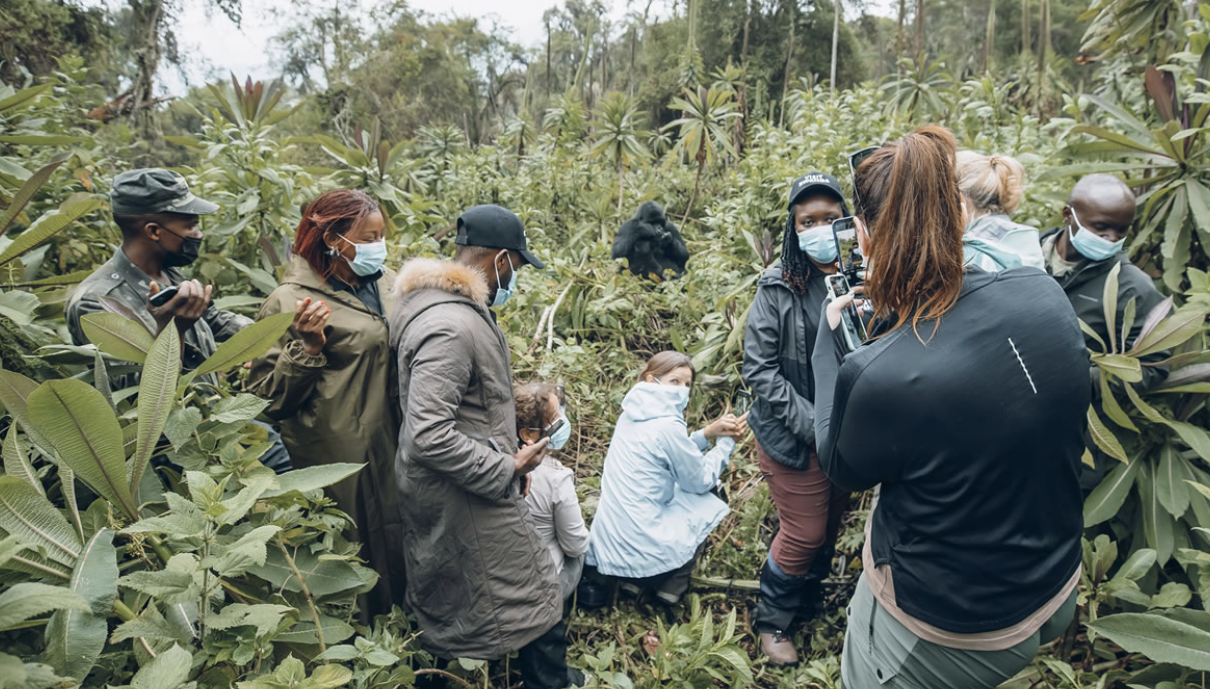
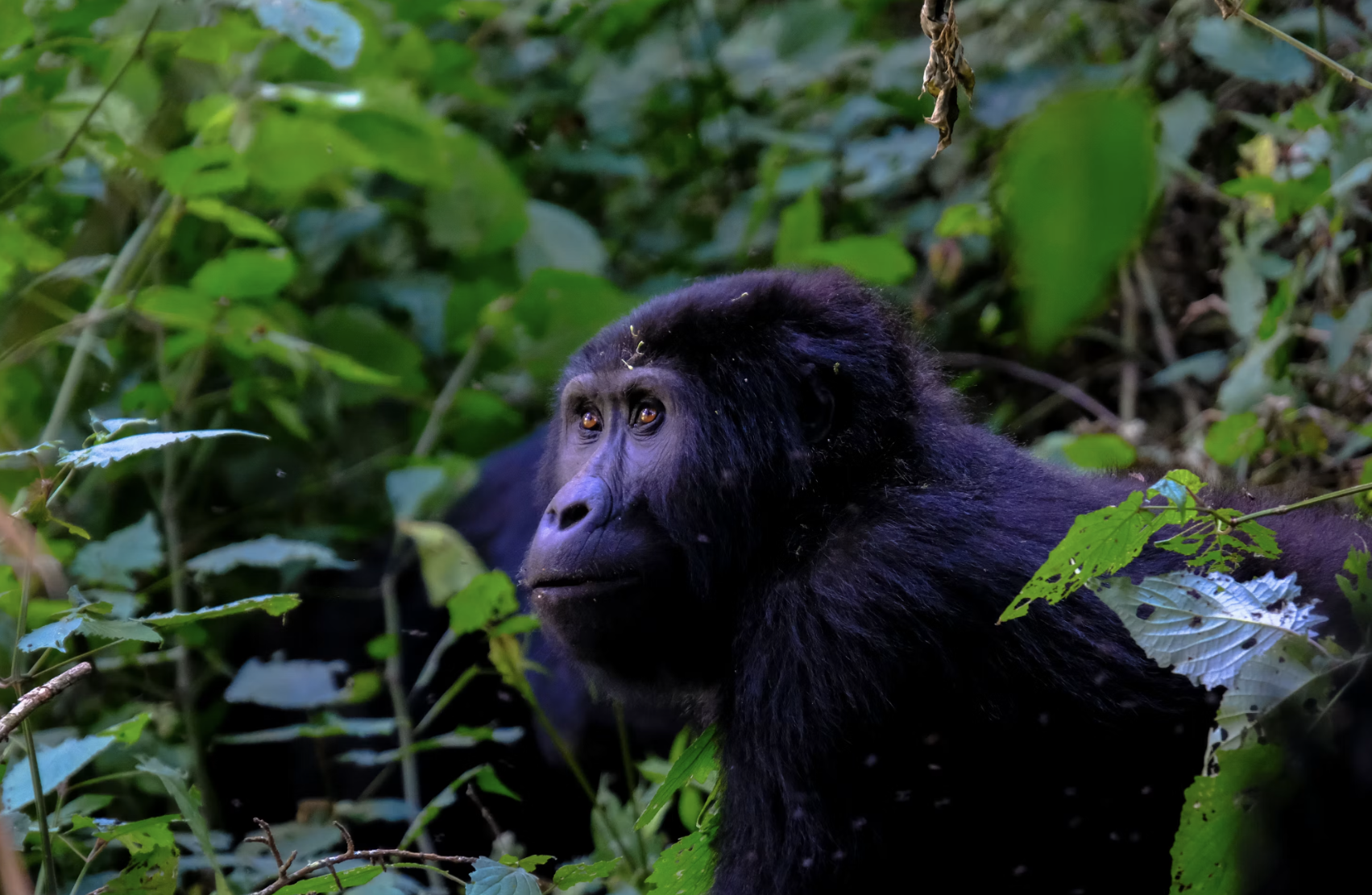
Bwindi isn't really like a typical safari, and that catches some travelers off guard. There's no open savannah here, no long stretches of grassland dotted with animals you can spot from a vehicle. Instead, you're walking into one of the oldest rainforests in Africa — dense, tangled, and genuinely wild in a way that's hard to describe until you're standing in it. The name itself, "Bwindi Impenetrable," isn't just branding.
Trekking here means following rangers and trackers through thick vegetation, sometimes on established paths and sometimes off them entirely, depending on where the gorilla family has moved that morning. Nobody can promise exactly how long a trek will take. Some groups find gorillas within an hour or two; others hike for most of the day before the trackers radio back with a location. That unpredictability is part of what makes it feel real rather than staged.
What Travelers Should Know Before Trekking
Permits are limited and need to be booked well ahead of time — this isn't something you casually decide to do a week before arriving. Beyond that, a reasonable level of fitness matters more than people expect; the terrain is steep in places, often muddy, and altitude adds to the effort. Sturdy boots and layered clothing make a real difference.
Rangers set the pace and the rules around gorilla encounters for good reason, and following their instructions — keeping distance, staying quiet, moving slowly — is non-negotiable. Bwindi tends to suit travelers who want an immersive, on-foot forest experience rather than a more relaxed, vehicle-based safari. If that sounds like your kind of trip, it's worth building the rest of your itinerary around it.
Queen Elizabeth Tours
Wildlife Beyond the Forest
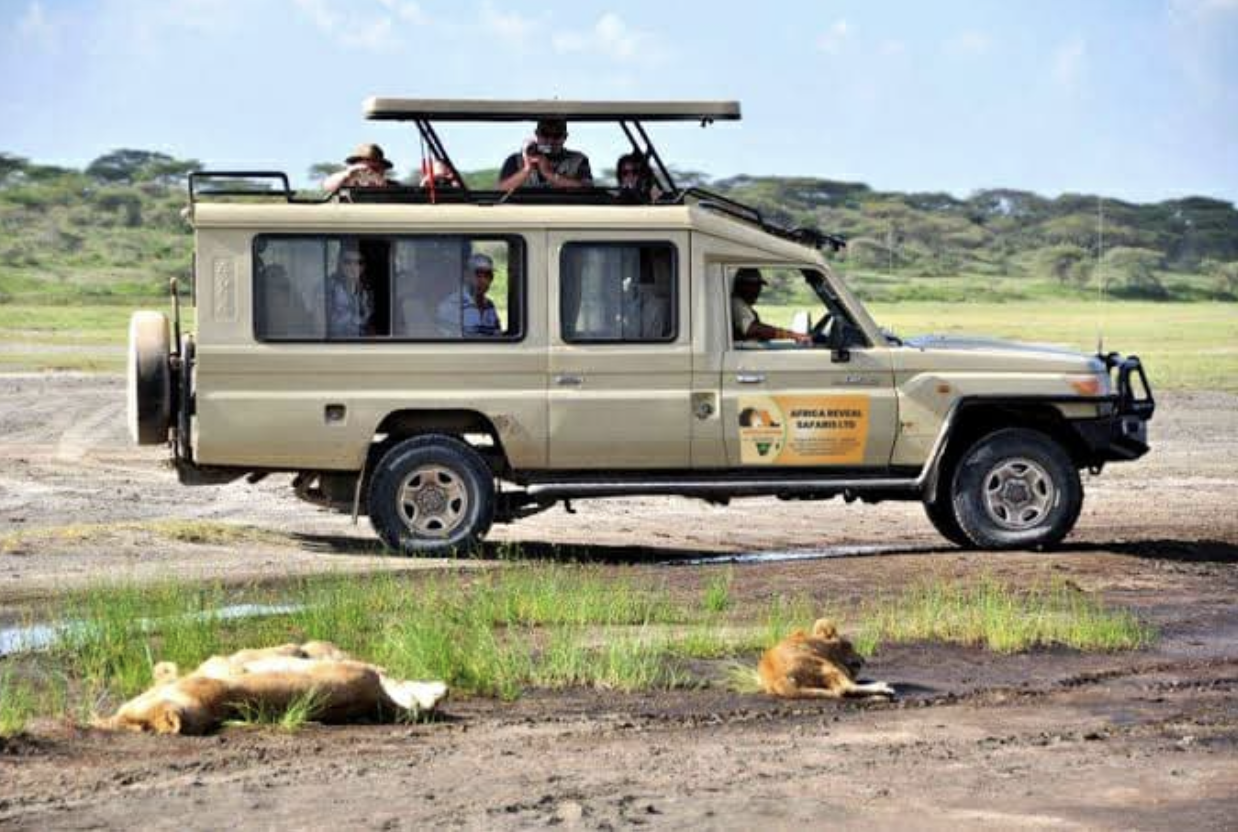
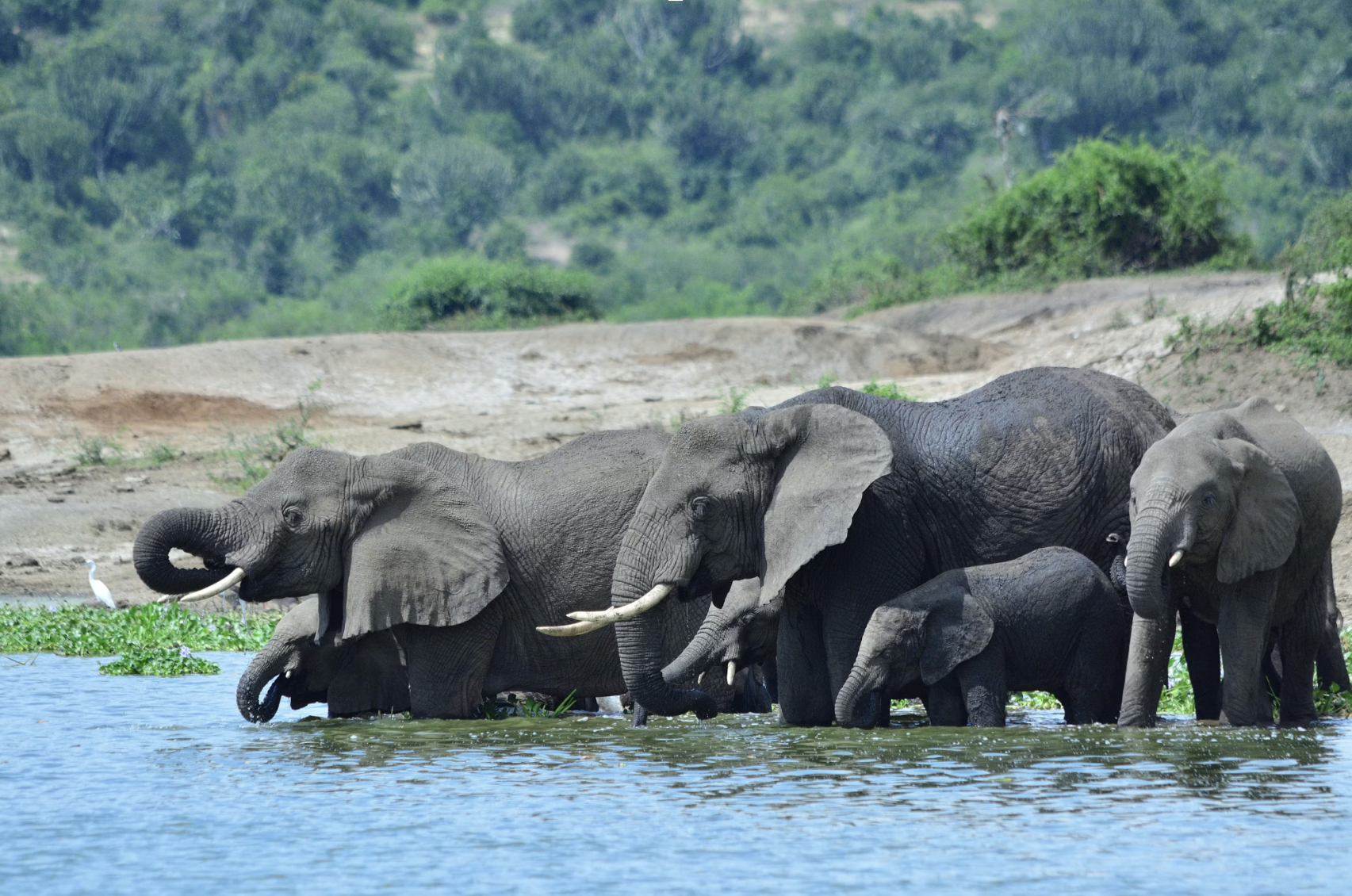
After days in dense rainforest, Queen Elizabeth National Park feels like a different world entirely. This is where Uganda's more classic safari scenery shows up — open savannah, crater lakes, and wide views that stretch to the horizon. Queen Elizabeth tours typically combine game drives with a boat cruise along the Kazinga Channel, which connects Lake Edward and Lake George and tends to be one of the more relaxed, rewarding parts of a Uganda itinerary.
Game drives here can turn up lions, elephants, buffalo, and hippos, though as with any wildlife viewing, nothing is guaranteed on a given day — animals move, and sightings depend on season and a bit of luck. What Queen Elizabeth does well is offer contrast: after the physical demands of forest trekking, a few days of game drives and boat rides gives the trip some balance, pairing naturally with a Bwindi gorilla trek earlier or later in the route.
Kibale Forest National Park Uganda
Uganda's Primate-Focused Forest Experience
Kibale Forest National Park Uganda is often described as the country's chimpanzee capital, and it's easy to see why once you're there. Chimp trekking is a noticeably different experience from gorilla trekking — chimpanzees are far more active, moving through the canopy, calling to each other, sometimes covering ground quickly enough that guides have to adjust the route on the fly. It's less about a quiet, controlled encounter and more about following the energy of the forest.
The walking itself tends to be a bit gentler than Bwindi's terrain, though the forest is still thick and humid, and experienced trackers make a real difference in actually locating a chimp community. Kibale is also home to a wide range of other primates, so even travelers who don't spot chimps on a given walk usually come away having seen something interesting. For anyone building a Uganda itinerary around primates rather than a broader safari, Kibale is close to essential.
Nyungwe National Park Chimpanzee Trekking
Rwanda's Forest and Chimpanzee Experience
Nyungwe National Park chimpanzee trekking offers Rwanda's answer to Kibale, but the feel of the place is its own thing entirely. Nyungwe is one of Africa's oldest rainforests, set across misty, mountainous terrain in southwestern Rwanda, and walking through it early in the morning — often before the mist has fully lifted — has a quiet, almost otherworldly quality to it.
Treks tend to start early, partly because chimps are more active and easier to track before the heat of the day sets in. Good footwear matters here just as much as it does anywhere else on this list, since trails can be slippery after rain. Compared to Kibale, Nyungwe's terrain is generally hillier and the forest a little denser in places, though both offer a genuine shot at chimp encounters rather than a guaranteed one. For travelers already building a Rwanda-based trip, Nyungwe fits naturally alongside gorilla trekking and other stops without requiring a big detour.
Volcanoes National Park Gorilla Trekking
Gorilla Trekking in Rwanda
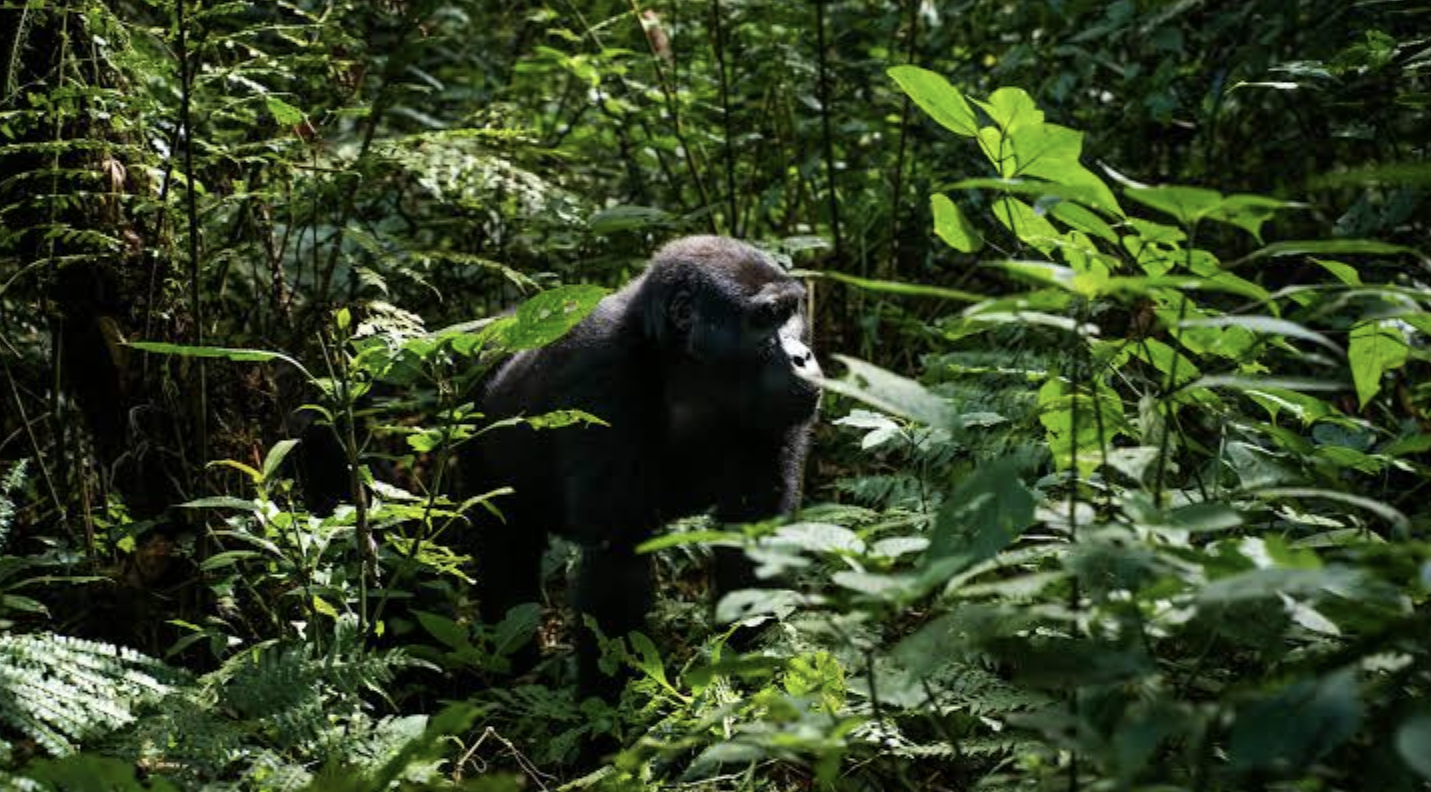
Volcanoes National Park gorilla trekking takes place against a backdrop that's hard to forget — a chain of dormant volcanoes covered in forest, part of the same Virunga range that stretches into Uganda and the Democratic Republic of Congo. The scenery alone sets it apart from Bwindi, even though the core activity is similar: tracking a habituated gorilla family through forest terrain with rangers and guides leading the way.
How difficult a given trek turns out to be depends heavily on which gorilla family you're assigned and where that group happens to be that day — some treks are short and relatively easy, others involve a longer, steeper climb. Permits here also require advance booking, and the same expectations apply around fitness, ranger guidance, and respectful distance from the gorillas.
Compared side by side, Bwindi offers a deeper, more varied rainforest setting with a wilder feel, while Volcanoes National Park sits within a well-established trekking circuit and a more dramatic volcanic landscape. Neither is objectively better — it really comes down to what your itinerary looks like, what you're working with budget-wise, and which setting appeals to you more.
Akagera Park Safaris and Tours
A Different Side of Rwanda
Akagera park safaris and tours show a side of Rwanda that a lot of travelers don't expect. Tucked in the country's east, Akagera is savannah and wetland country — rolling hills, lakes, and grassland that couldn't look more different from the volcanic forests a few hours west.
Game drives here can bring sightings of giraffes, zebras, elephants, and, since a reintroduction effort some years back, lions again roam the park. Boat trips on Lake Ihema add another angle, with hippos and a solid variety of birdlife along the water. Akagera pairs particularly well with Volcanoes National Park precisely because the contrast is so sharp — forest trekking one week, open savannah the next. It's a practical way to fit both primate encounters and a more traditional safari into a single Rwanda trip.
Uganda vs Rwanda: Which Experience Fits Your Trip?
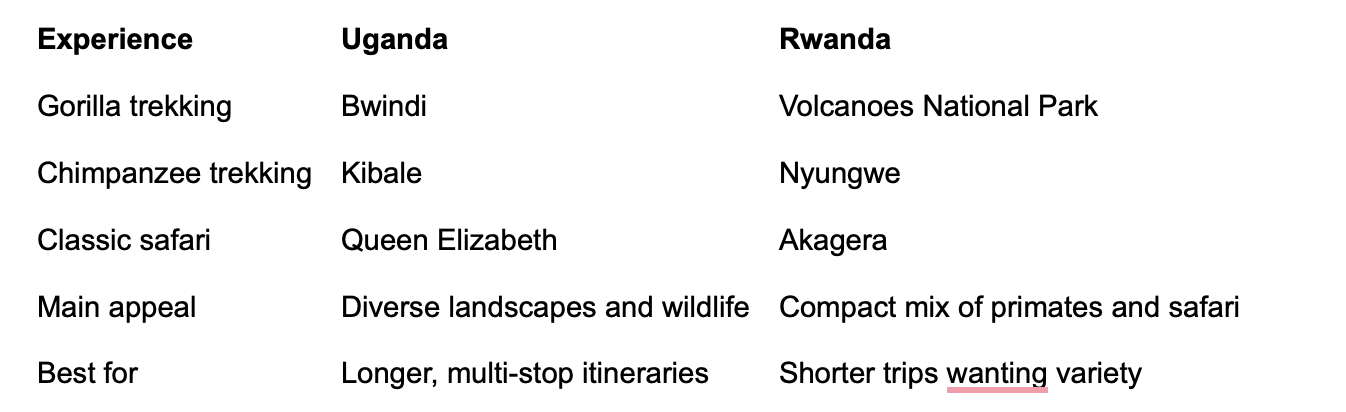
Neither country wins outright. Uganda tends to suit travelers with more time who want a broader range of landscapes and experiences strung together. Rwanda works well for shorter trips, since distances between parks are shorter and logistics are generally simpler. The right pick depends on how many days you have, what you're willing to spend, and which activities matter most to you.
How to Combine These Destinations
A Uganda-focused route might run Bwindi to Queen Elizabeth to Kibale, giving you gorilla trekking, savannah safari, and chimp trekking in one loop. A Rwanda-focused trip could follow Volcanoes to Nyungwe to Akagera for a similar spread within a smaller footprint.
The mistake a lot of first-time planners make is trying to cram in too many parks over too few days. It's usually better to spend real time in fewer places than to rush through a checklist. Road travel between parks can take longer than expected too, so it's worth checking actual drive times before locking anything in.
Practical Planning Tips
Gorilla and chimpanzee permits should be sorted before you finalize dates — they're limited and availability tightens up during peak months. Pack for rain and mud regardless of season, since forest trails rarely stay dry for long. Good hiking shoes and lightweight layers go a long way, and it's worth staying flexible, since trekking times and wildlife sightings are never fully predictable. Entry requirements and permit rules do shift occasionally, so a quick check closer to your travel dates is worth the five minutes it takes.
Final Thoughts
Gorilla trekking, chimpanzee trekking, and classic safari game drives are genuinely different experiences, and trying to squeeze all of them into a rushed itinerary usually shortchanges each one. Whether you end up in Bwindi, Volcanoes National Park, or somewhere in between, the trip works best when you give each stop enough breathing room. Pick your destinations based on your interests, your timeline, and what your body can realistically handle — not on trying to see everything at once.
FAQs
Is Bwindi or Volcanoes National Park better for gorilla trekking?
It really depends on what you're after. Bwindi offers denser, wilder rainforest and more varied terrain, while Volcanoes National Park has a more established circuit and striking volcanic scenery. Budget, itinerary length, and personal preference matter more here than any single "better" answer.
How difficult is gorilla trekking in Bwindi?
It varies a lot from one trek to the next. Difficulty depends on which gorilla family you're tracking, the terrain that day, and the weather — some treks wrap up in an hour, others take most of the day.
Is Kibale or Nyungwe better for chimpanzee trekking?
Both offer solid chances at chimp encounters. Kibale sits within a broader Uganda itinerary and has slightly gentler terrain, while Nyungwe's misty, mountainous forest fits naturally into a Rwanda-based trip.
Can I combine gorilla trekking with a safari in Uganda?
Yes — Bwindi pairs naturally with Queen Elizabeth National Park, letting you combine forest trekking with more classic savannah game drives in one trip.
Can I see gorillas and go on safari in Rwanda?
Definitely. Volcanoes National Park and Akagera offer very different experiences — mountain forest trekking versus open savannah and wetland safari — and combine easily given Rwanda's relatively short travel distances.
How many days do I need for a Uganda or Rwanda wildlife trip?
It depends on how many parks you want to include. A single-country trip focused on two or three destinations usually needs at least seven to ten days once you factor in road transfers, trekking days, and a buffer for delays.