Nepal’s Ultimate Treks: From Manaslu’s Solitude to Everest’s Grand Passes
Introduction:
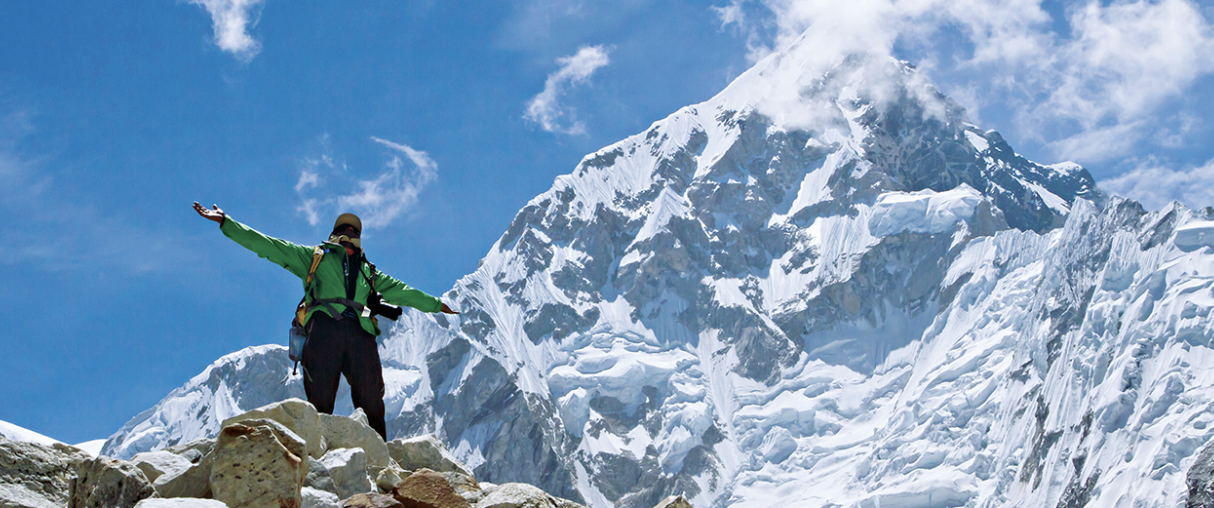
Nepal has a mountainous spine and is a place of dreams for trekkers. Towering snow peaks, ancient trails, fluttering prayer flags, and smiling Sherpas offer more than just physical adventure — they offer spiritual insight and cultural discovery. Among Nepal’s countless trekking routes, four stand out for their sheer drama, beauty, and variety: Manaslu Trek, Everest Base Camp Trek, Annapurna Circuit Trek, and the Everest Three Pass Trek.
Each of these ventures offers a diverse flavor of the Himalayas — from off-the-beaten-path separation in Manaslu to the amazing base camp of Everest, from the socially different Annapurna circuit to the high-altitude excitement of crossing three of Nepal’s most impressive mountain passes. Let’s plunge into each of these notorious trails and investigate why they stay carved in the memory of each explorer.
1. Manaslu Trek –
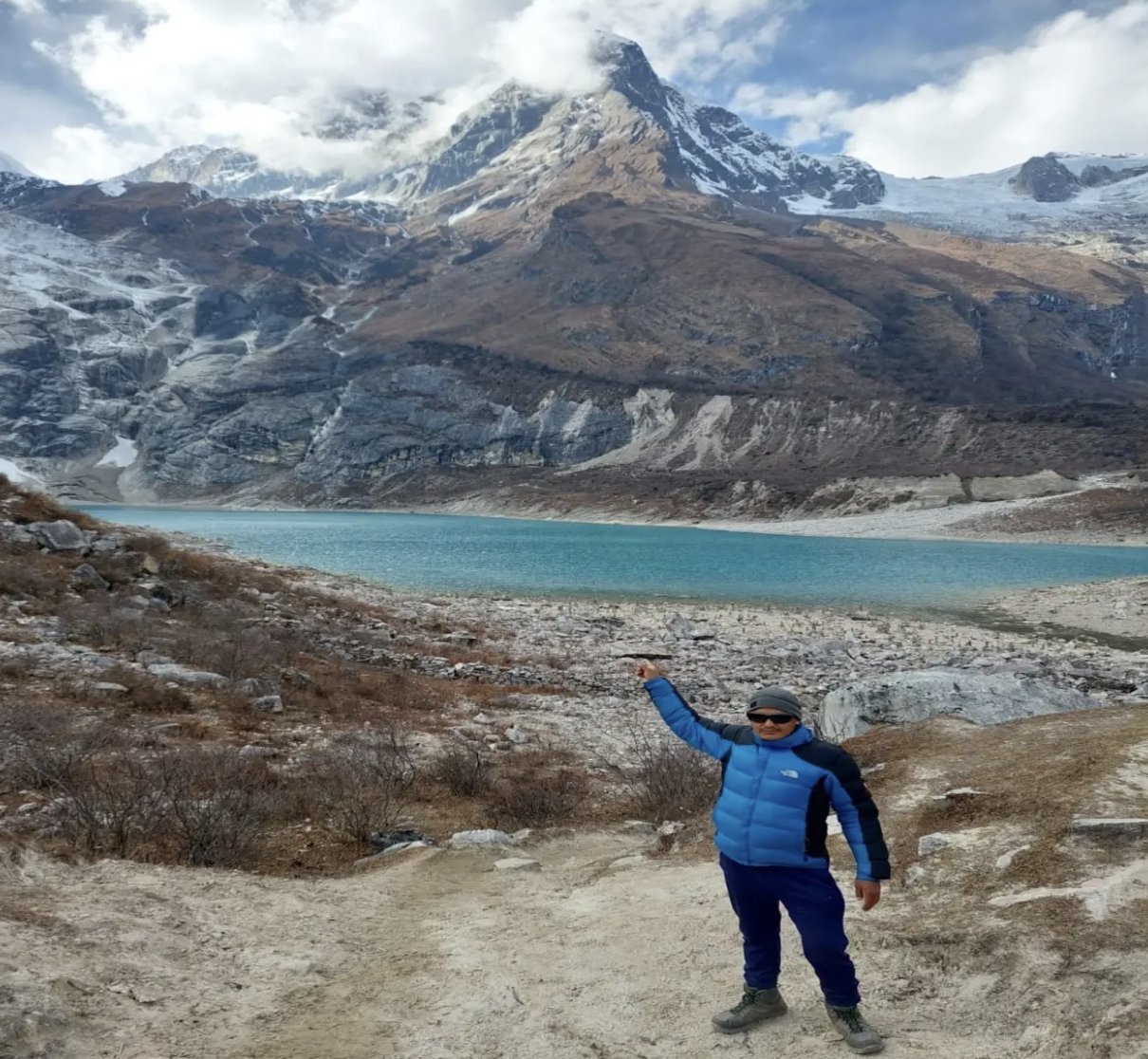
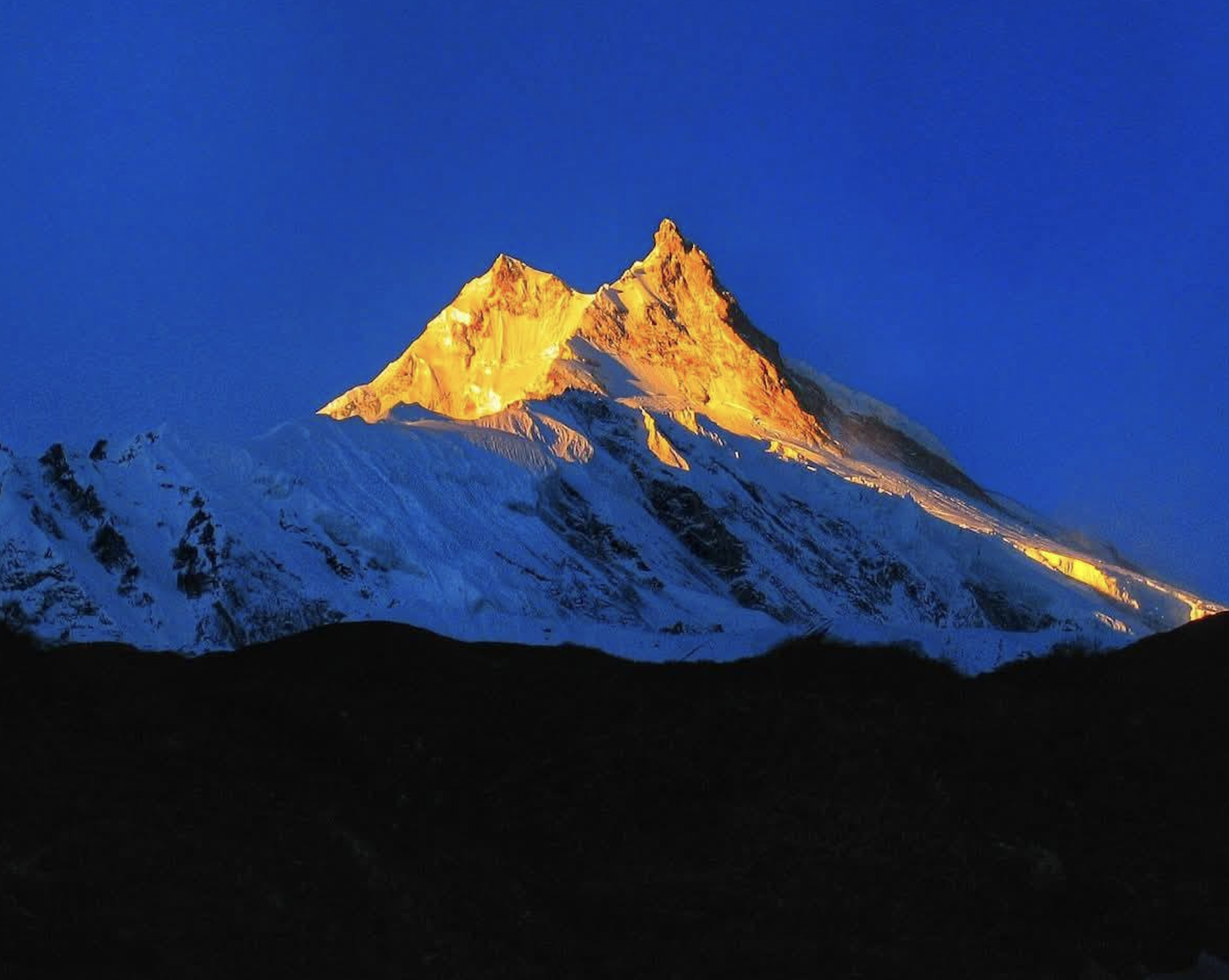
While Everest and Annapurna may steal the spotlight, Manaslu Trek is Nepal’s best-kept mystery. Circling the eighth-highest mountain in the world, Mt. Manaslu (8,163m), this journey offers everything a Himalayan travel ought to: tough territory, bona fide culture, and jaw-dropping mountain views — short of the swarms.
What Makes It Unique:
Remote and Authentic: The Manaslu region remains relatively untouched by modernization. Villages like Sama Gaun and Samdo reflect Tibetan culture in its purest form, and tea houses here still feel like home stays.
Cultural Diversity: From Hindu settlements in lower altitudes to Tibetan Buddhist communities near the border, trekkers witness a cultural transformation as they gain altitude.
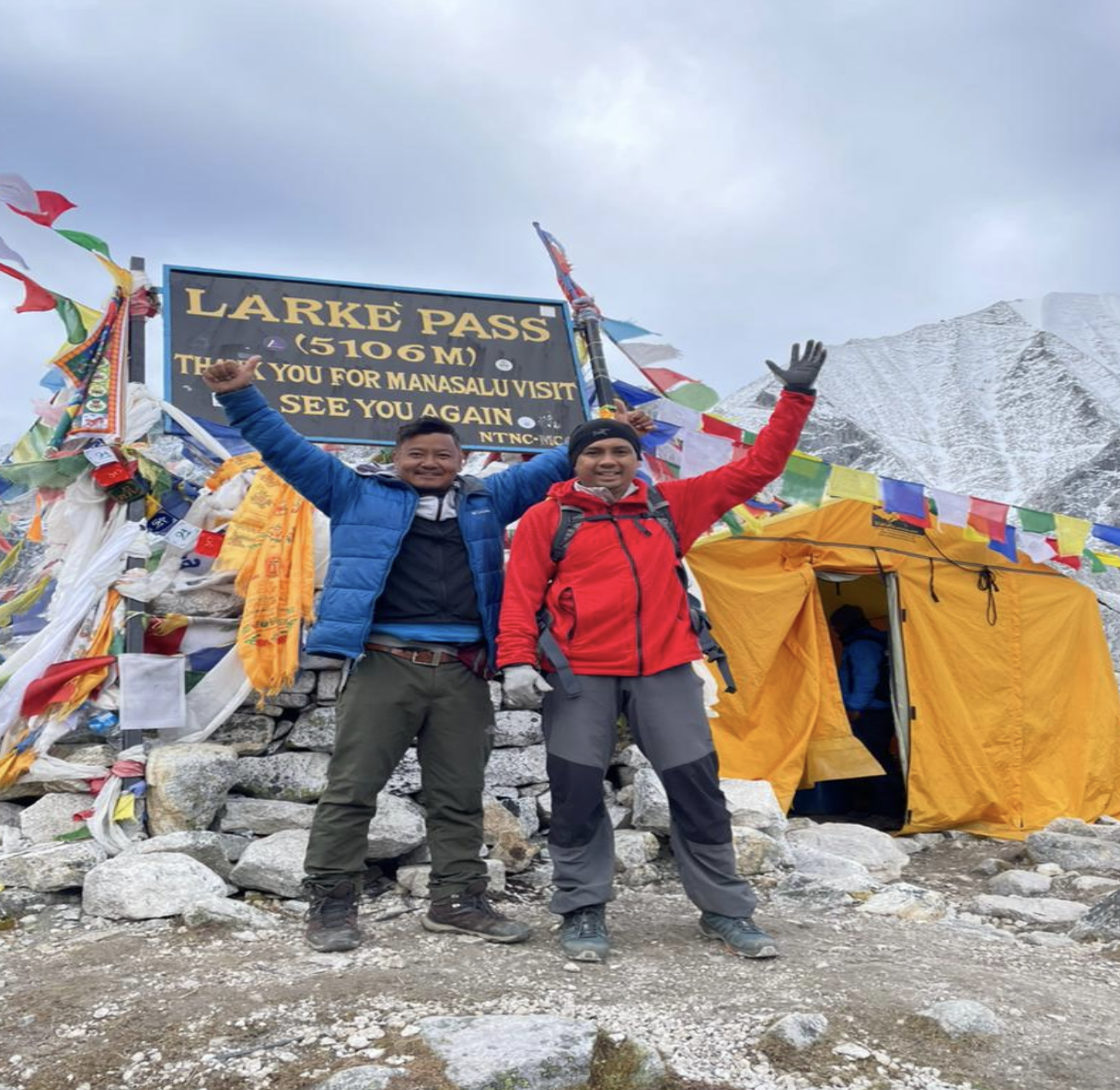
Larke La Pass (5,106m): This high pass is the crown jewel of the trek — a panoramic point where trekkers stand in awe before the Himalayan skyline.
Highlights:
Spectacular views of Manaslu, Himlung, and Ganesh Himal.
Crossing Larke La Pass — a challenging yet rewarding section.
Ancient monasteries like Pung Gyen Gompa.
Optional side trip to Manaslu Base Camp.
Best Time: March to May and September to November.
2. Everest Base Camp Trek –
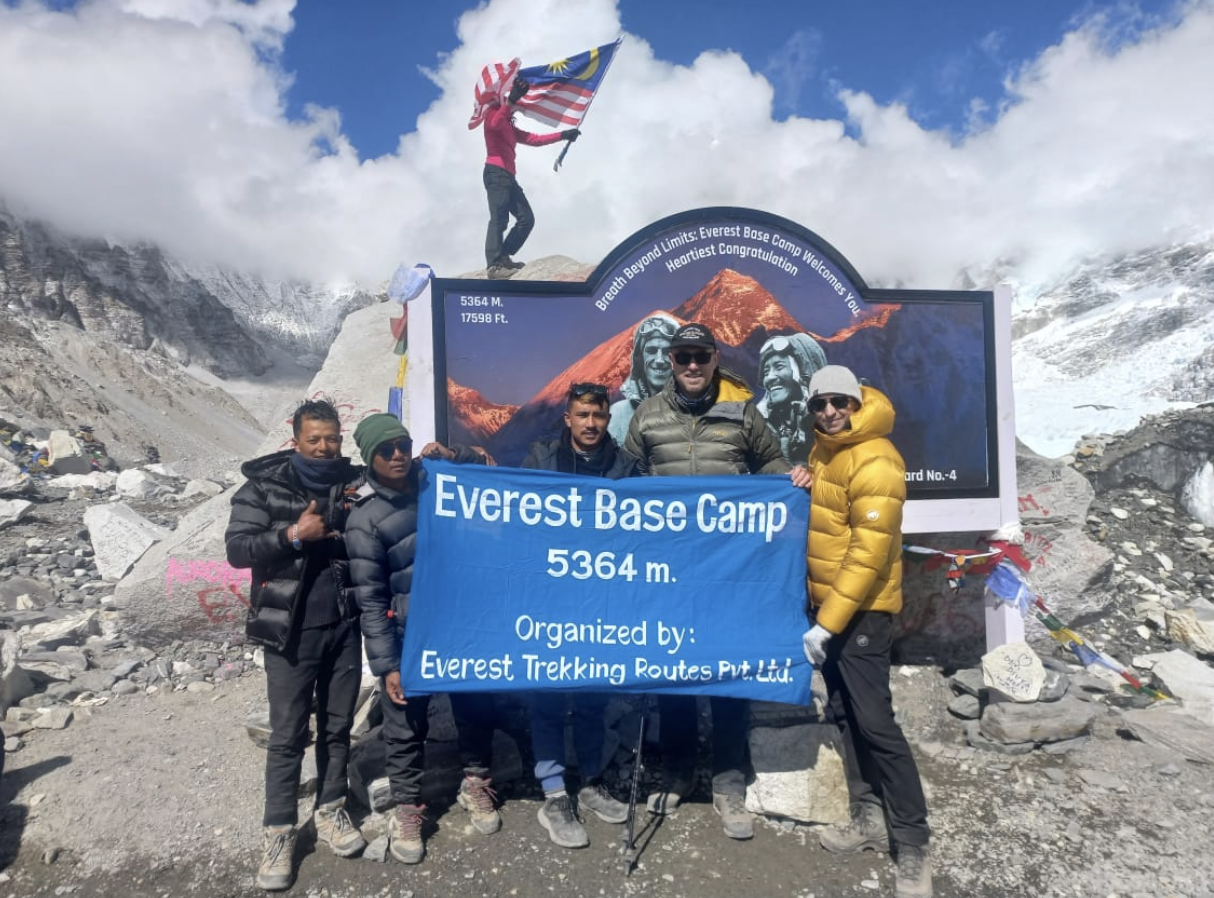
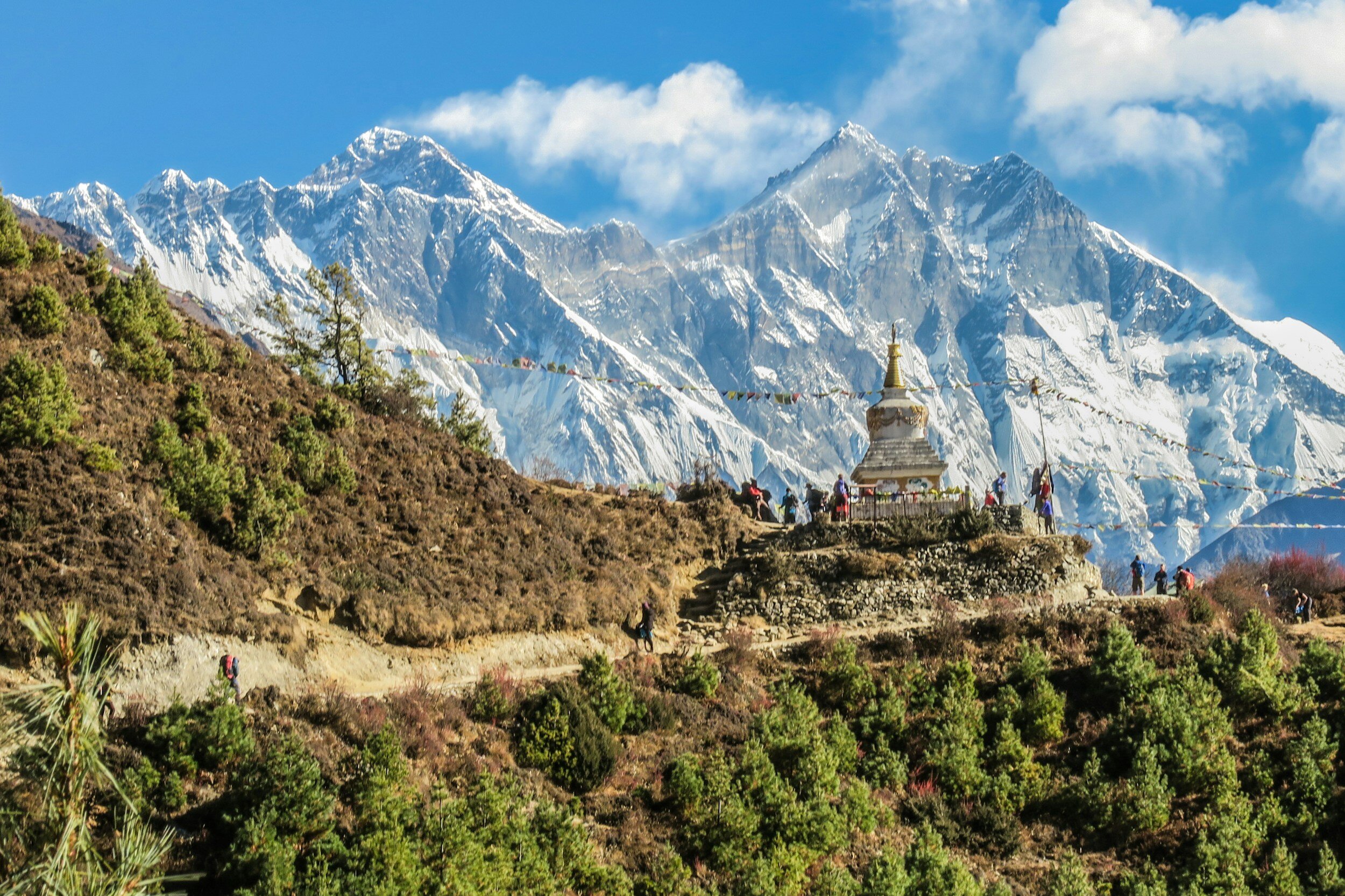
There’s nothing quite like the Everest Base Camp Trek. Each step of this notorious course is implanted with legend, from the trailblazing days of Hillary and Tenzing to the present-day Khumbu Sherpa communities. It’s not a fair journey — it’s a journey to the foot of the tallest mountain on Soil.
What Makes It Unique:
History and Prestige: Few trails in the world carry the same weight. Standing at EBC (5,364m) with the mighty Everest towering above is a rite of passage for trekkers worldwide.
Sherpa Culture: Stay in villages like Namche Bazaar, Tengboche, and Lobuche, experiencing the warmth and hospitality of the Khumbu people.
Kala Patthar (5,545m): The best place for sunrise views of Everest — arguably more majestic than the base camp itself.
Highlights:
Scenic flight to Lukla Airport — one of the world’s most thrilling runways.
Visiting Tengboche Monastery, a spiritual site surrounded by Himalayan giants.
Close-up views of Everest, Lhotse, Nuptse, and Ama Dablam.
Following the footsteps of mountaineering legends.
Best Time: Pre-monsoon (March to May) and post-monsoon (late September to early December).
3. Annapurna Circuit Trek –
The Annapurna Circuit Trek is regularly hailed as one of the best long-distance treks in the world. Traversing subtropical woodlands, elevated valleys, and dry trans-Himalayan deserts, this journey is an exhibit of Nepal’s unimaginable topographical and social differing qualities.
What Makes It Unique:
Diverse Landscapes: The trail transitions from lush rice paddies in the Marsyangdi Valley to the arid, Tibetan-like landscape of Manang and Muktinath.
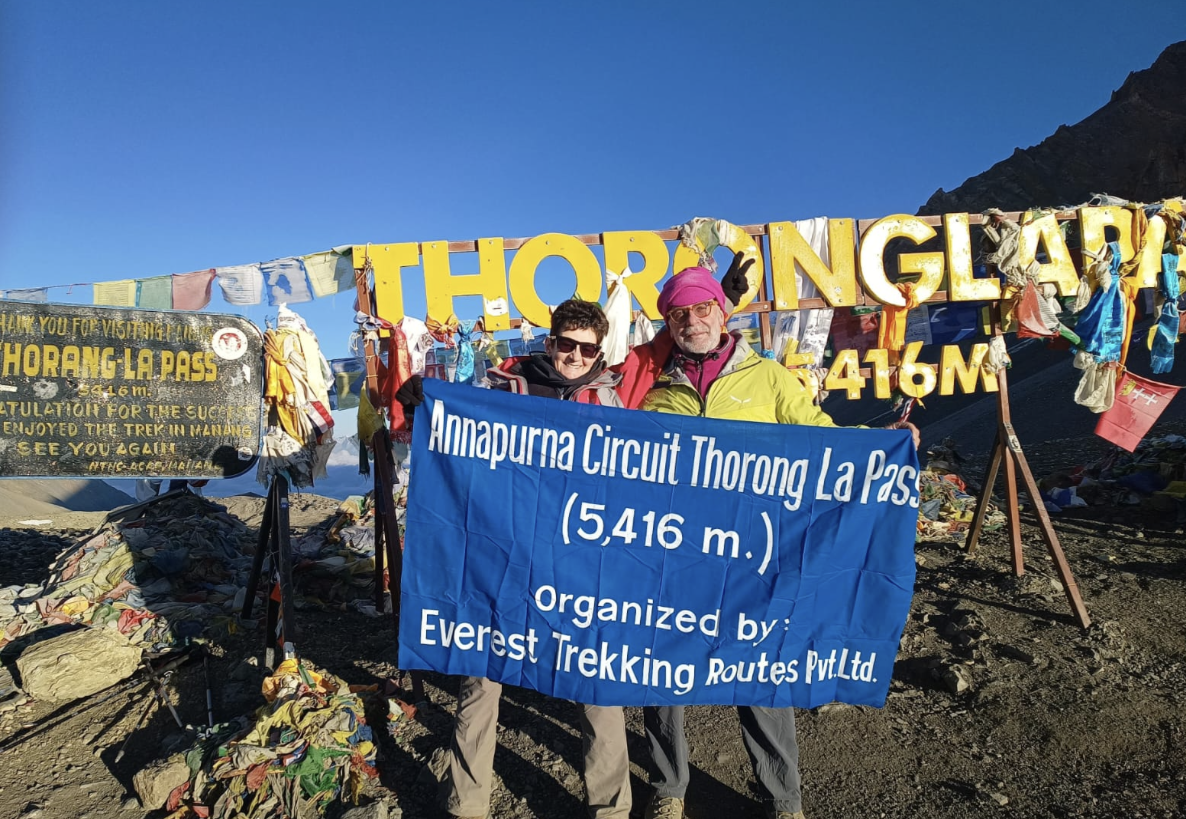
Thorong La Pass (5,416m): The highest point of the trek and one of Nepal’s most famous passes, it links the Manang and Mustang regions.
Cultural Immersion: The circuit winds through Hindu villages, Buddhist settlements, and ancient trade routes.
Highlights:
Visiting Braga Monastery and acclimatizing in Manang.
Crossing Thorong La, a true physical and mental challenge.
Exploring the sacred site of Muktinath Temple.
Descending into the Kali Gandaki Gorge, the deepest gorge in the world.
Best Time: March to May and October to November. Portions are also accessible during the rain shadow in monsoon.

4. Everest Three Pass Trek –
For those craving high-altitude adventure and solitude beyond the typical Everest Base Camp route, the Everest Three Pass Trek conveys unmatched assortment, show, and trouble. It’s a circle that crosses three of the most elevated and most marvelous passes in the Everest locale: Kongma La (5,535m), Cho La (5,420m), and Renjo La (5,360m).
What Makes It Unique:
High-Altitude Masterpiece: Crossing three Himalayan passes in one journey is a badge of honor among trekkers.
Combination of Routes: It weaves through Everest Base Camp, Gokyo Lakes, and Thame, providing a full-spectrum experience of the Khumbu region.
Less Crowded: Many parts of the route are less traveled compared to the standard EBC trail, offering peace and pristine nature.
Highlights:
The crystal-clear Gokyo Lakes and the striking Ngozumpa Glacier.
Summiting Gokyo Ri for panoramic views of Everest, Makalu, Cho Oyu, and Lhotse.
Remote valleys and ancient trade routes near the Tibetan border.
Wild terrain, suspension bridges, and narrow passes that test every step.
Best Time: April to May and October to November for clear skies and manageable snow levels.
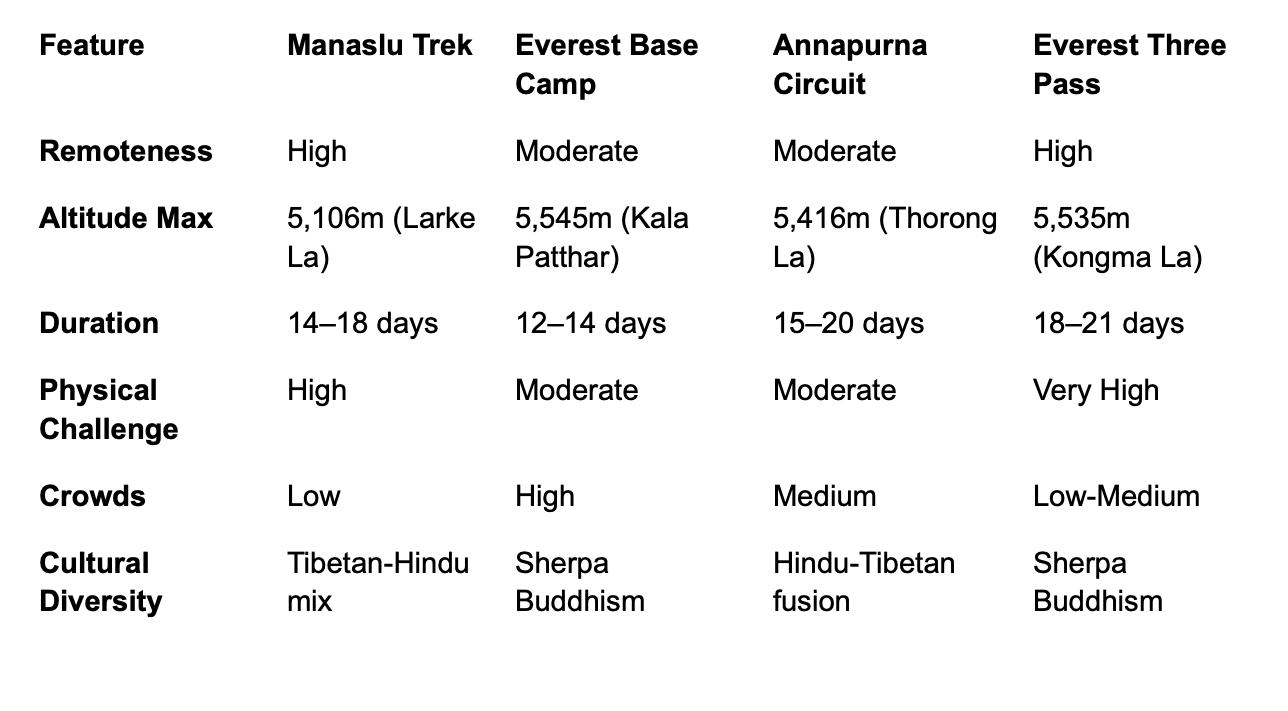
How These Treks Compare
Why Choose These Treks?
Adventure Seekers: The Everest Three Pass Trek is the ultimate physical challenge for experienced hikers who want to push their limits.
Photographers: Annapurna Circuit offers constantly changing landscapes and dramatic backdrops.
Cultural Explorers: Manaslu’s preserved villages and monasteries offer unmatched insight into Tibetan-influenced Nepali life.
Bucket-Listers: Everest Base Camp is iconic — a must-do for anyone who wants to say, “I’ve been there.”
Tips for All Four Treks
Acclimatization Is Key: Take rest days seriously. AMS can affect anyone, regardless of fitness level.
Pack Light but Right: Prioritize essentials — warm clothing, a quality down jacket, water purification tablets, sunscreen, and a solid first-aid kit.
Travel Insurance: Ensure it covers high-altitude trekking and helicopter evacuation.
Hire Local Guides/Porters: Supports the local economy and enhances your cultural understanding and safety.
Respect the Environment and Culture: Leave no trace, and always be courteous in villages and sacred sites.
Conclusion:
Each of these treks — Manaslu, Everest Base Camp, Annapurna Circuit, and Everest Three Passes — captures a diverse aspect of Nepal’s mountain soul. Whether you look for peace in Manaslu’s quiet, bequest in Everest’s shadow, the show of Annapurna’s scenes, or the excitement of prevailing three compelling passes, Nepal conveys like no other put on earth.
Choosing a fair one is difficult — but at that point once more, that’s the enchantment of trekking in Nepal. One journey regularly leads to another… and another.
FAQs
Q: Which trek is best for first-timers?
A: Everest Base Camp or Annapurna Circuit — both have well-established infrastructure, gradual altitude gain, and a high success rate.
Q: Is a guide mandatory for these treks?
A: Yes, for Manaslu Trek a guide is required by law. For others, it’s highly recommended for safety and local knowledge.
Q: Can I do the Everest Three Pass Trek solo?
A: It’s possible but not advisable unless you are very experienced with high-altitude trekking and navigation.
Q: What permits are needed?
Manaslu Trek: Restricted Area Permit, MCAP, ACAP.
Everest Region Treks: Khumbu Pasang Lhamu Rural Municipality Permit + Sagarmatha National Park Permit.
Annapurna Circuit: TIMS + ACAP.
Contact Information
Address: 16-Khumbu, Nayabazaar, Kathmandu, Nepal
Mobile: +977-9843467921 (Rabin)
Email: info@everesttrekkingroutes.com
Website: www.everesttrekkingroutes.com