Key Sleeping Bag Features to Stay Cozy on Freezing Outdoor Nights
Do you struggle to stay warm on cold outdoor nights? Choosing the right sleeping bag can make all the difference. Some bags keep heat inside, while others block wind and moisture.
The right materials and designs help you sleep comfortably in freezing temperatures. A good sleeping bag makes camping safe and enjoyable. Over time, features have improved to keep adventurers warmer than ever.
Learn about the key sleeping bag features that will keep you cozy all night. Keep reading to find the best options for your next trip.
Warmth Rating
Sleeping bags have different warmth ratings. These ratings show how cold you can be and still stay warm. They help campers choose the right bag for the season. Bags for winter are rated for very low temperatures. Summer bags are rated for milder nights. Warmth ratings are based on testing standards.
People can compare bags easily using these numbers. Choosing the correct rating keeps you safe from the cold. Ratings also affect the thickness and weight of the bag. A proper rating ensures a comfortable night's sleep. Checking warmth ratings is the first step in picking a sleeping bag.
Insulation Type
Sleeping bags use different types of insulation. Down insulation is very warm and lightweight. It compresses easily for packing. Synthetic insulation works well when wet. It is often more affordable than down. Both types trap heat to keep you warm.
Some bags combine down and synthetic materials for better performance. Insulation affects how heavy the bag feels. It also changes how long the bag lasts. Choosing the right insulation depends on the weather. The right type keeps you cozy on freezing nights.
Bag Shape
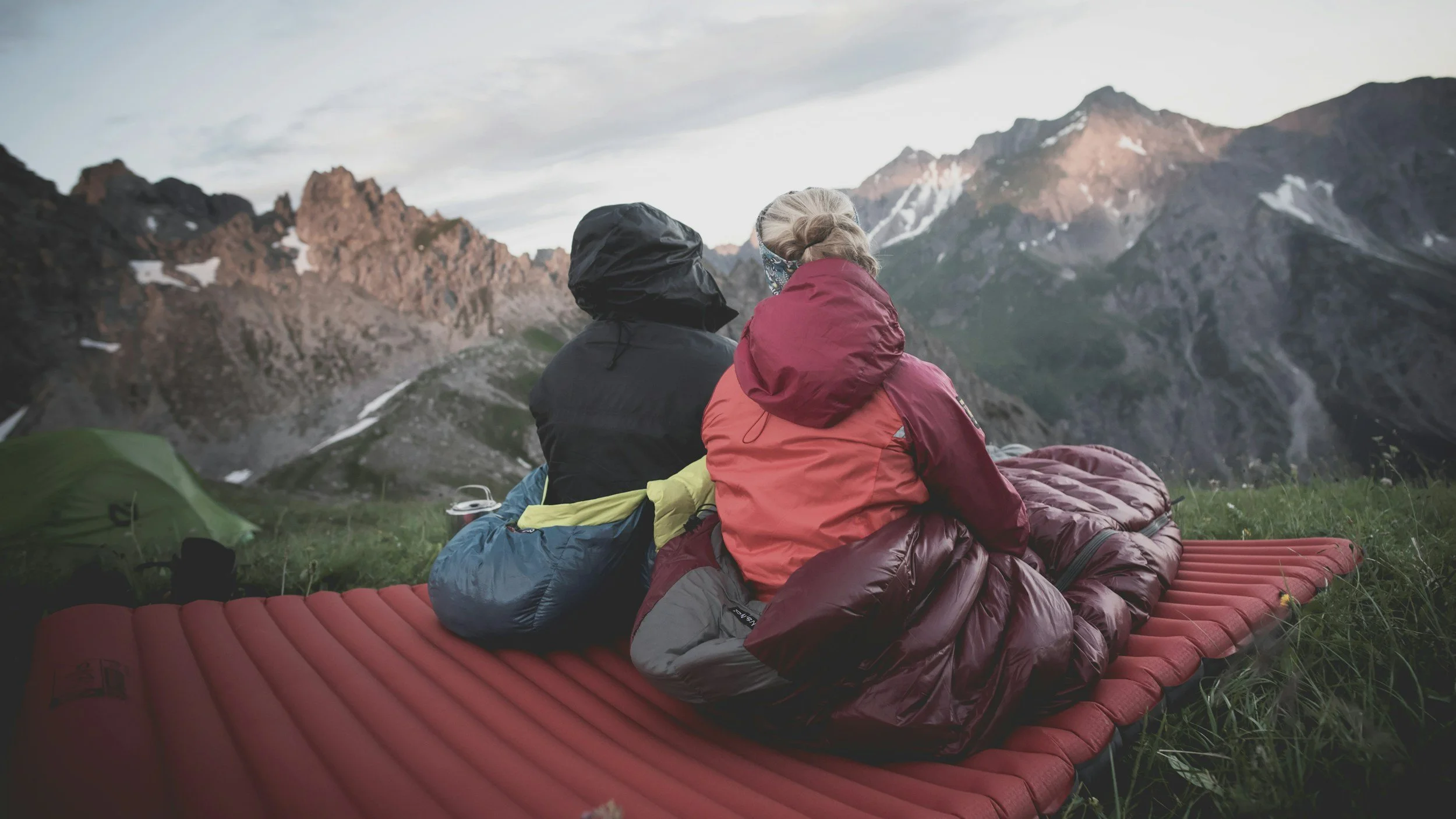
Sleeping bags come in different shapes. Mummy bags are narrow and keep heat close to the body. Rectangular bags give more room to move around. Semi-rectangular bags offer a mix of warmth and space. The shape affects how well the bag traps heat. A snug fit can keep you warmer on cold nights.
Wider bags may feel more comfortable, but lose some warmth. Some bags have adjustable hoods for extra protection. The shape also affects weight and pack size. Lightweight shapes are easier to carry on long trips.
Choosing the right shape depends on comfort and warmth needs. The proper shape helps you stay cozy on freezing outdoor nights.
Size and Fit
Sleeping bags come in different shapes. Mummy bags are narrow and keep heat close to the body. Rectangular bags give more room to move around. Semi-rectangular bags offer a mix of warmth and space. The shape affects how well the bag traps heat. A snug fit can keep you warmer on cold nights.
Wider bags may feel more comfortable, but lose some warmth. Some bags have adjustable hoods for extra protection. The shape also affects weight and pack size. Lightweight shapes are easier to carry on long trips.
Choosing the right shape depends on comfort and warmth needs. The proper shape helps you stay cozy on freezing outdoor nights.
Material Quality
Sleeping bags use different materials for comfort and warmth. The outer fabric should be strong and tear-resistant. Durable materials protect the insulation inside. Soft inner fabrics feel comfortable against the skin. High-quality materials resist water and wind. Better fabrics keep heat from escaping.
Cheap materials may wear out quickly. Strong zippers work better with quality fabrics. Material quality affects how long the sleeping bag lasts. Lightweight fabrics make packing easier.
Choosing good materials keeps you warm on cold nights. The right materials make outdoor sleeping safer and more comfortable.
Hood Design
Many sleeping bags have hoods for extra warmth. Hoods trap heat around your head. They prevent cold air from entering the bag. Some hoods have drawstrings for a snug fit. Others are shaped to cover the shoulders too. A good hood keeps your neck and face warm. Insulated hoods are common in winter bags.
Lightweight bags may have simple hoods for mild nights. Hoods can make a big difference in freezing weather. Adjustable hoods allow more comfort and movement.
They also protect against wind and drafts. Choosing a bag with a well-designed hood helps you stay cozy all night.
Zipper Features
Sleeping bags have zippers to open and close easily. A good zipper slides smoothly without getting stuck. Some zippers have double sliders for ventilation. Others have draft tubes to block cold air. Full-length zippers make it easy to get in and out. Side zippers allow better movement inside the bag.
Zippers should be strong and durable. High-quality zippers last longer in cold weather. Some bags have anti-snag designs to protect fabric. Easy-to-use zippers improve comfort at night. Zipper placement can affect warmth and fit.
Choosing a sleeping bag with the right zipper features keeps you cozy on freezing nights.
Weight and Packability
Sleeping bags vary in weight depending on materials and insulation. Lightweight bags are easier to carry on long trips. Heavy bags may offer more warmth, but are harder to pack. Compressible bags fit into small backpacks easily. Down insulation is usually lighter and packs smaller.
Synthetic bags can be heavier but work well in wet conditions. A bag that packs small saves space for other gear. Weight and packability affect how far you can hike. Ultralight bags are popular for long adventures. Some bags come with compression sacks to reduce size.
Choosing the right weight makes camping more comfortable. A balance of warmth, weight, and packability keeps you cozy on cold nights.
Moisture Resistance
Sleeping bags need to resist moisture to keep you warm. Wet insulation loses heat quickly. Many bags use water-resistant fabrics on the outside. Some, like Snugpak softie 9 Hawk, handle damp conditions well.
Moisture resistance protects against dew and light rain. It also helps in humid environments. Dry insulation keeps the bag fluffy and warm. Water-resistant bags last longer than non-resistant ones.
A good bag will prevent cold spots caused by wet areas. Moisture resistance makes outdoor sleeping safer. It is important for winter and spring trips. Choosing a bag with moisture protection keeps you cozy all night.
Explore these Key Sleeping Bag Features
Staying warm on freezing outdoor nights is very important. The right sleeping bag makes a big difference. Features like insulation, hoods, and moisture resistance help a lot. Good materials and design keep you safe and comfortable. Choosing the right bag ensures a cozy night outdoors.
Looking for more tips and ideas? We've got you covered. Check out some of our other posts now.