The Ultimate Himalayan Trek: EBC, High Passes & Nar Phu
Overview
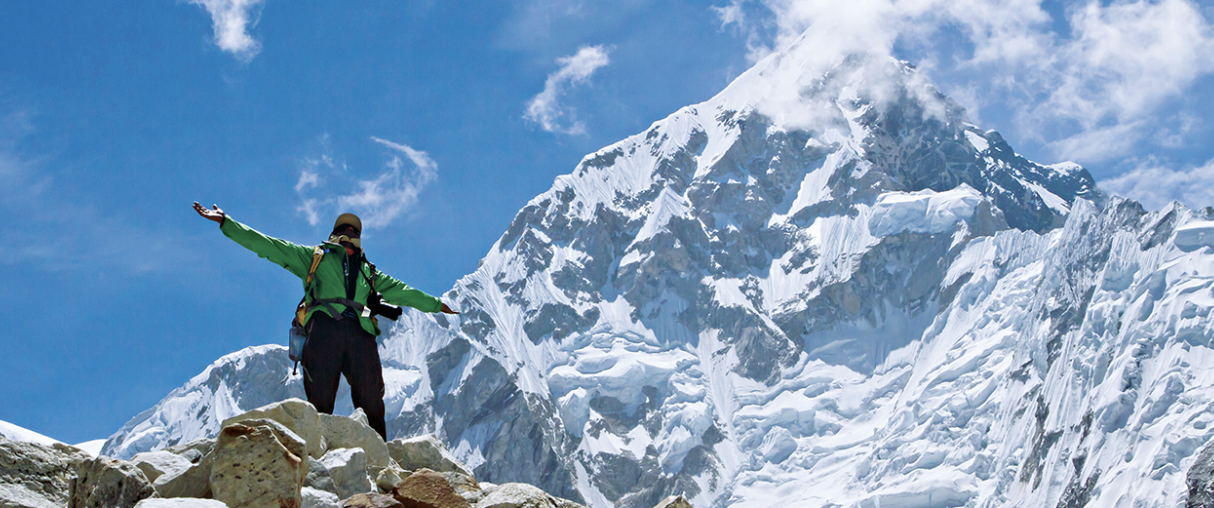
Nepal, the arrival of the Himalayas, offers an awe-inspiring mix of crude nature, centuries-old culture, and challenging treks that thrust you past your physical and mental limits. Among its crown gems are three treks that guarantee life-changing Adventures: the 14 Days Everest Base Camp Trek, the Everest Three high Passes Trek, and the Nar Phu Valley Trek. These courses give unparalleled openings to stand face-to-face with the world’s highest peaks, walk through untouched Tibetan-influenced towns, and test your continuance in farther wildernesses.Whether you're looking for a classic Himalayan travel to Everest Base Camp, pointing for a more requesting navigation of the high passes, or looking for isolation in the magical Nar and Phu valleys, this trio of treks opens a portal into the exceptional soul of Nepal.
Each offers something unmistakable: Everest Base Camp grandstands amazing views, the Three Passes Trek ups the bet with extraordinary territory, and the Nar Phu Valley Trek drenches you in a seldom investigated region wealthy in Tibetan Buddhist heritage.
Where Culture Meets Altitude
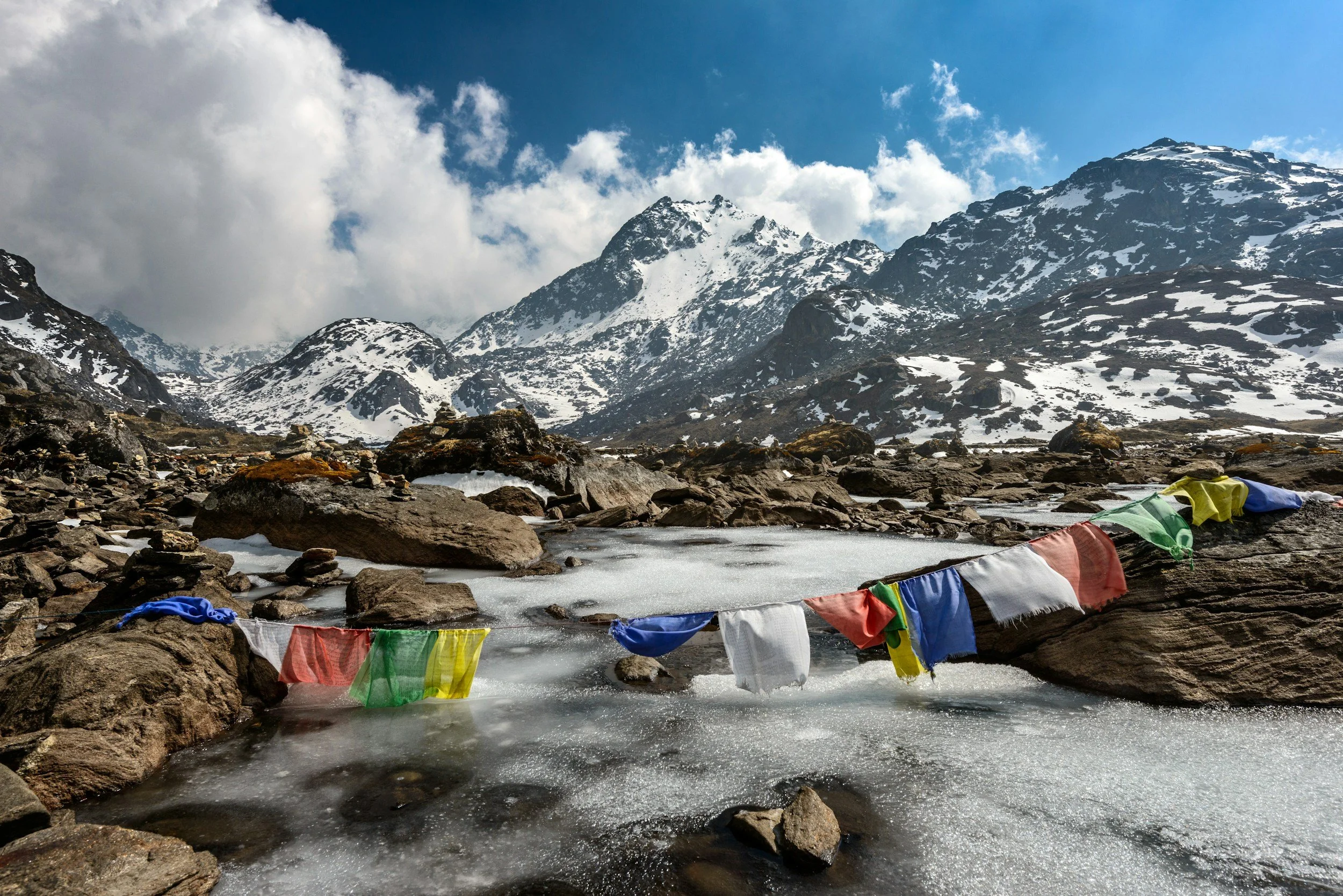
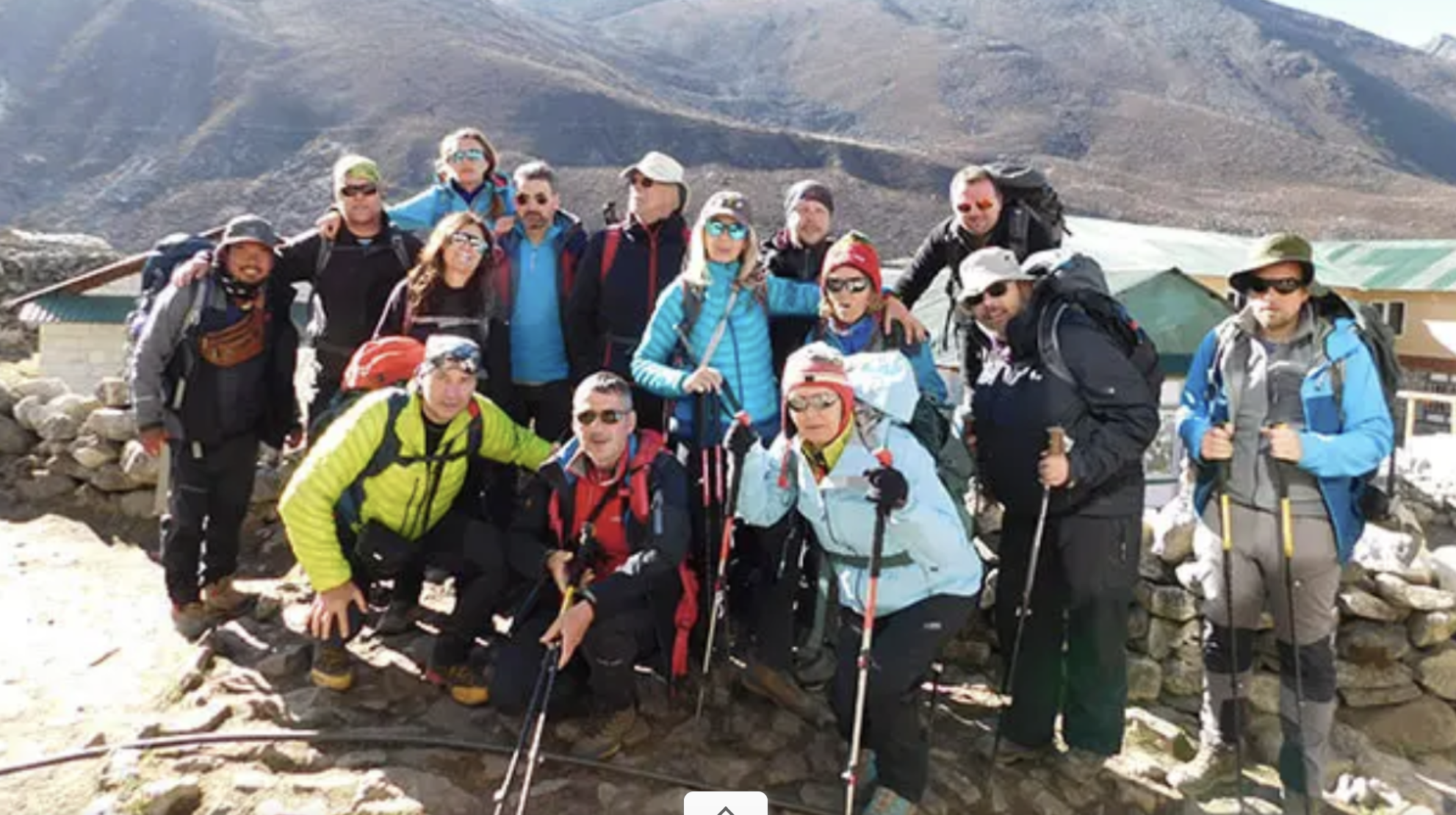
Trekking in Nepal is not fair approximately coming to high altitudes—it's moreover approximately inundating yourself in the deep-rooted conventions of its mountain individuals. The Nar Phu Valley Trek, settled in the rain-shadow region of the Annapurna extend, offers an anthropological treat. You’ll investigate old cloisters, Mani dividers, and fortress-like Tibetan towns where time appears to stand still. This region is socially particular and less commercialized, giving trekkers a crude and bona fide experience.
On the other hand, the Everest Base Camp Trek introduces you to the Sherpa culture. From the bustling showcase town of Namche Bazaar to the serene religious communities of Tengboche, the path weaves through otherworldly scenes possessed by the versatile and inviting Sherpa people.
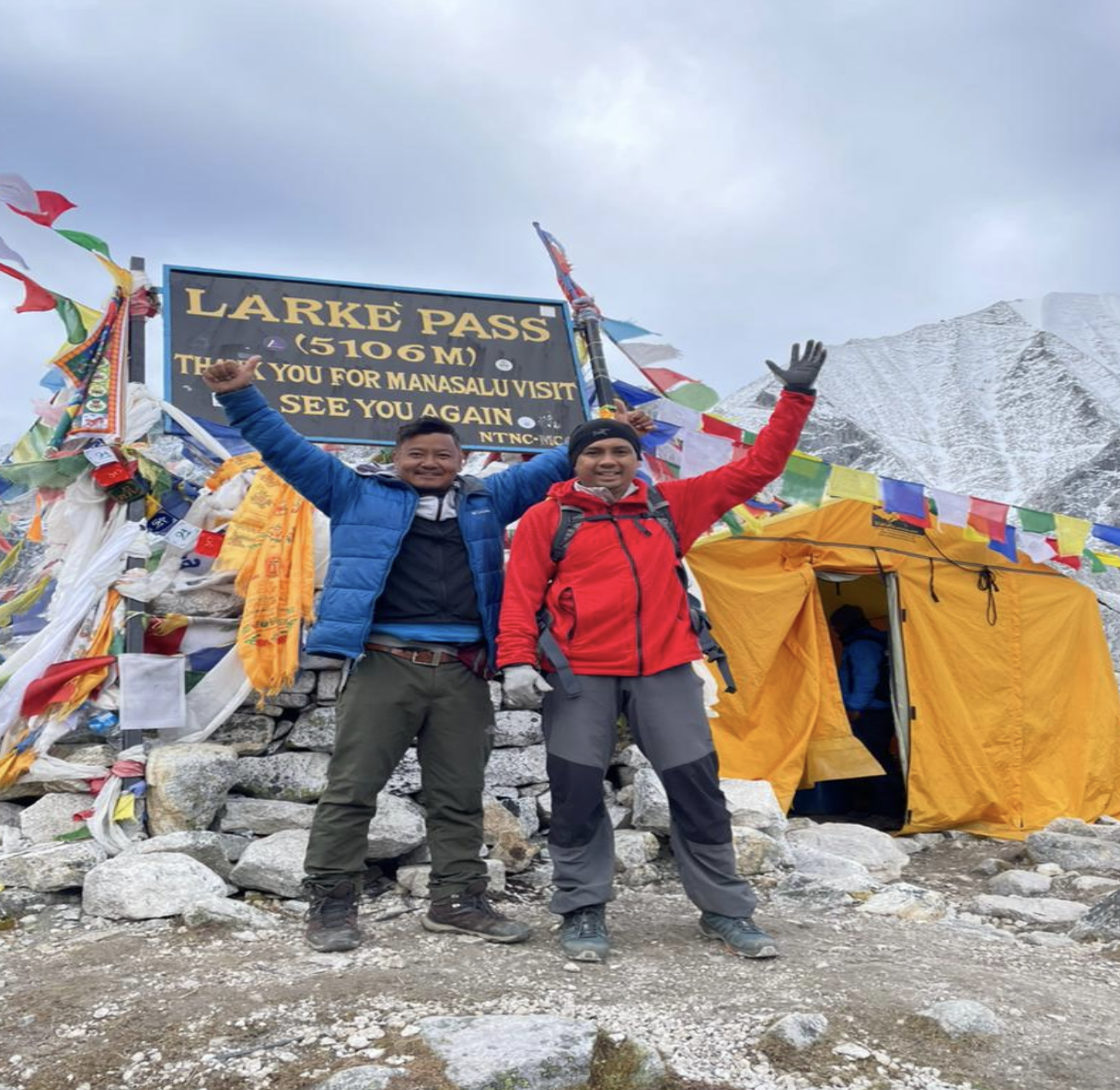
The Everest Three high Passes Trek wires both common magnificence and social submersion. As it covers three of the most elevated trekking passes—Kongma La (5,535 m), Cho La (5,420 m), and Renjo La (5,360 m)—you too get to visit sacrosanct lakes, farther lodges, and gompas that ooze old wisdom.
Best Time to Trek
Nepal has two primary trekking seasons: spring (March to May) and harvest time (September to November).
Spring brings sprouting rhododendrons, hotter climate, and clear skies. It’s the ideal time for the Nar Phu Valley Trek, as the high-altitude trails are less frigid, and the seas are unobstructed.
Autumn offers the best perceivability and steady climate. It’s the perfect season for the Everest Base Camp and Three high Passes treks. Trails are bustling, and teahouses are completely functional.
Winter (December to February) is conceivable for the Nar Phu region with appropriate equipment, but the high passes on the Everest side can be hazardously snowbound.
What to Expect
14 Days Everest Base Camp Trek
Trek Length: 14 days
Max Elevation: 5,364 meters (Everest Base Camp)
Trail Highlights: Lukla Air terminal, Namche Bazaar, Tengboche Cloister, Kala Patthar sunrise
Accommodations: Comfortable teahouses
Difficulty: guide to Challenging
Expect bustling trails, individual trekkers from around the globe, cozy teahouses, and continuous elevation picks up. This Trek is best for first-timers who need a full Everest encounter without wandering into extraordinary terrain.
Everest Three high Passes Trek
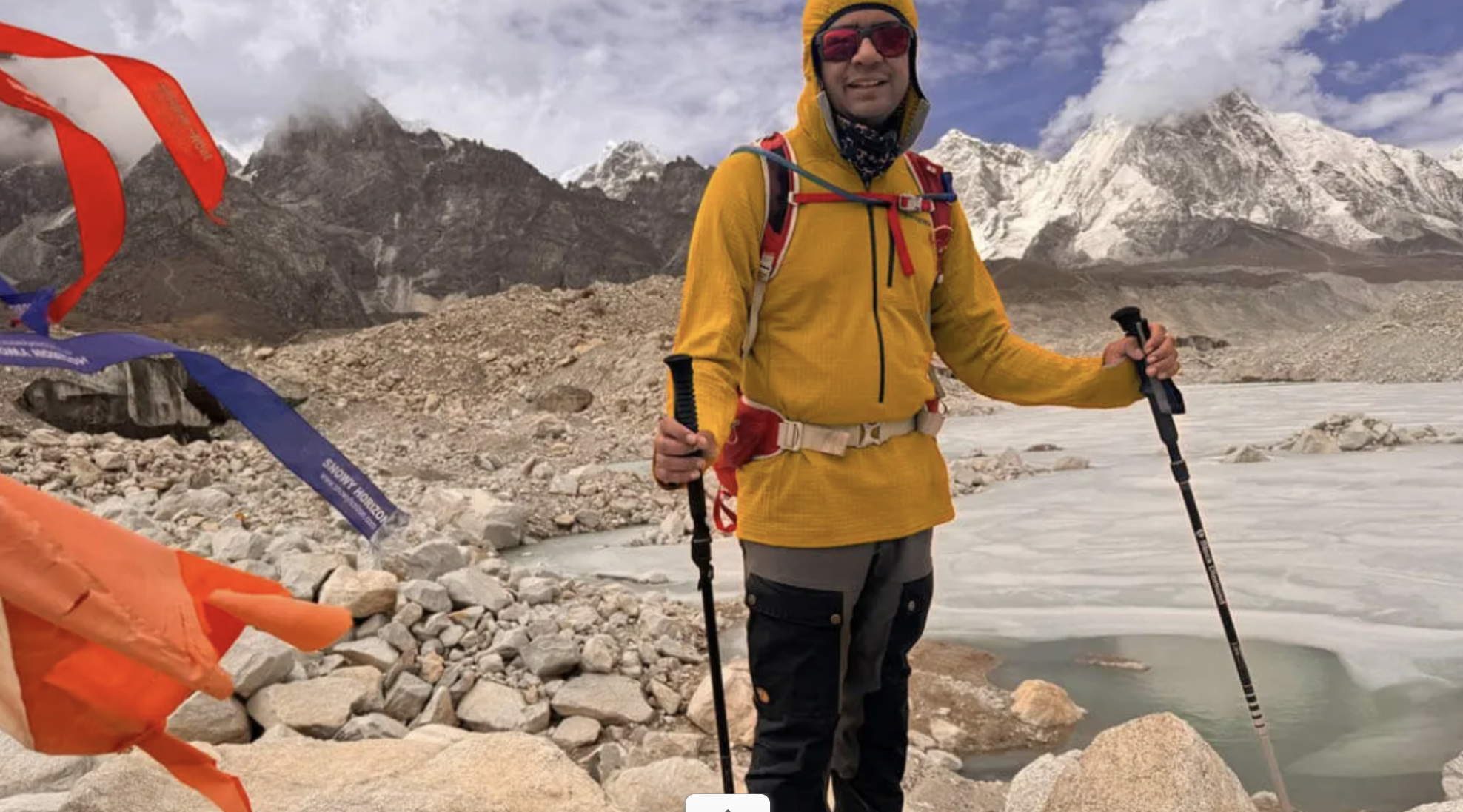
Trek Length: 19-21 days
Max Height: 5,535 meters (Kongma La)
Trail Highlights: Three high passes, Gokyo Lakes, Everest Base Camp, Kala Patthar
Accommodations: Fundamental teahouses and lodges
Difficulty: Strenuous
This Trek is not for the faint-hearted. It includes soak climbs and plunges, ice sheet intersections, and separation. In return, it rewards you with 360-degree mountain sees and less crowds.
Nar Phu Valley Trek
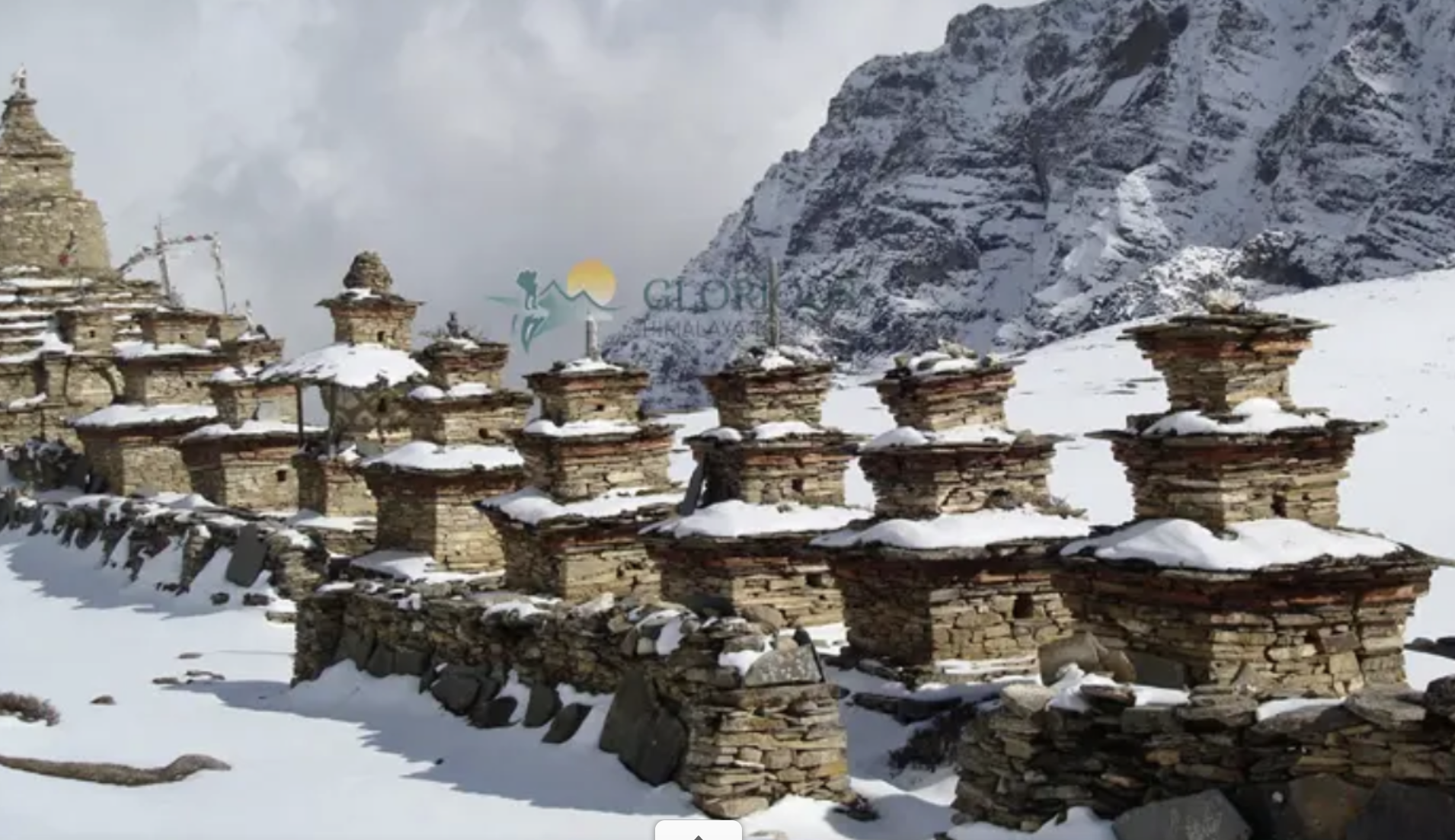
Trek Length: 10-15 days
Max Height: 5,320 meters (Kang La Pass)
Trail Highlights: Nar and Phu towns, medieval cloisters, Kang La Pass, Tibetan culture
Accommodations: Homestays and natural lodges
Difficulty: Moderate
Expect otherworldly experiences, true Himalayan culture, and a sense of time travel. The trails are less commercial, advertising tranquility and individual association with locals.
Tips for Beginners
Train some time recently you go: Construct your stamina with customary cardio, climbing, and quality preparation at slightest 2-3 months in advance.
Acclimatize legitimately: Adhere to your guide’s schedule to dodge elevation sickness.
Pack light but shrewd: Contribute in great climbing boots, layers, and a high-quality resting bag.
Hydration is key: Drink at least 3 liters of water per day.
Go with a trusted organization: Organizations like Great Himalaya give experienced guides, watchmen, and crisis assistance.
Altitude and Sickness
Altitude affliction (AMS) is a genuine risk over 2,500 meters. Indications incorporate migraines, sickness, discombobulation, and fatigue.
Preventive Measures:
Ascend gradually: Take after the guideline of "climb high, rest low."
Rest days: Particularly crucial in Namche and Phu.
Diamox: Counsel your specialist some time recently on the Trek for this medication.
Listen to your body: Never thrust through symptoms—descend if needed.
The Everest Three Passes is especially challenging due to quick height changes, whereas Everest Base Camp and Nar Phu Valley permit more continuous acclimatization.
Challenges and Rewards
Challenges:
Physical continuance: Long trekking hours, soak climbs, and cold weather.
Logistics: Restricted offices in inaccessible districts like Nar Phu.
Altitude dangers: Particularly over 5,000 meters on the passes.
Weather unusualness: Snowstorms, rain, or strong sun exposure.
Rewards:
Panoramic Himalayan sees: Counting Everest, Lhotse, Annapurna, and more.
Cultural edification: Antiquated religious communities, ceremonies, and nearby interactions.
Personal change: These treks test and shape your mental resilience.
Lifetime accomplishment: Coming to Everest Base Camp or crossing Kang La is unforgettable.
Permits Required
For each Trek, distinctive licenses are necessary:
Everest Base Camp / Three Passes:
Sagarmatha National park Permit
Khumbu Pasang Lhamu Provincial Region Permit
Nar Phu Valley:
Nar Phu Limited Range Allow (RAP) – As it were realistic through a enlisted agency
Annapurna Preservation Region Allow (ACAP)
TIMS Card – Trekkers’ Data Administration System
Note: Trekking in Nar Phu requires at least two trekkers with an authorized guide.
Practical Information
Guides and Watchmen: Exceedingly suggested, particularly for the Nar Phu and Three Passes treks.
Currency: Nepalese Rupee (carry sufficient cash; ATMs are as it were in greater towns).
Connectivity: Wi-Fi is accessible in Namche, Dingboche, and Gokyo; nearly none in Nar Phu.
Insurance: Basic! Must cover high-altitude evacuation.
Trekking equip: Lease or purchase in Kathmandu; guarantee quality footwear and down jackets.
Lukla flights: Inclined to delays—plan a buffer day.
Food and Culture on the Trail
Food:
Dal Bhat Tarkari (lentils, rice, curry): The staple of all treks.
Momos (dumplings): A favorite snack.
Tsampa and yak butter tea: Particularly in Nar Phu.
Western dishes: Accessible in Everest region teahouses (pasta, hotcakes, etc.)
Expect basic but generous suppers. Hydration is key—drink bubbled or filtered water.
Culture:
Sherpa neighborliness: Everest region teahouses offer warm invites and otherworldly depth.
Tibetan Buddhism: Cloisters in Nar, Phu, and Tengboche are social highlights.
Festivals: Arrange around Losar (Tibetan Modern Year) or Mani Rimdu in the Everest region for more profound experiences.
Why Select Great Himalaya for These Treks
Glorious Himalaya Trekking Pvt. Ltd. is a presumed, government-authorized nearby organization based in Kathmandu. They are trusted for their skill, straightforwardness, and uncommon service.
Why Select Them?
Licensed, experienced guides: Familiar in English, prepared to begin with help and high-altitude rescue.
Custom schedules: Custom fitted courses to suit your pace, inclinations, and wellness level.
Safety to begin with: Oximeter readings, lackey phones, and possibility plans are standard.
Fair estimating with no covered up costs: All licenses, suppers, and transportation are clearly listed.
Support for neighborhood communities: Capable tourism homes and eco-friendly trekking.
They guarantee that your Trek—from Nar Phu to Everest—is not fair but meaningful.
Conclusion
From the supernatural valleys of Nar and Phu to the cold trails driving up to Everest Base Camp and over the Three high Passes, the Himalayas stand high as more than fair peaks—they are a Trek, a challenge, a story holding up to be composed. Whether you’re a social pioneer, a photography devotee, or an adrenaline addict, these treks offer something timeless.
The 14 Days Everest Base Camp Trek offers a satisfying presentation to high-altitude climbing. The Everest Three high Passes Trek takes that involvement a score higher—literally and metaphorically. And the Nar Phu Valley Trek? It interfaces you to the heart of Himalayan legacy in one of the most untouched parts of Nepal.
All of this is standing by, with the dependable bolster of Brilliant Himalaya, guaranteeing your security, consolation, and submersion. The roof of the world isn’t fair, almost the height—it’s almost the profundity of the travel. So bind up your boots, take a profound breath, and let the Himalayas change your life.
If you are planning to visit Nepal for any adventure activities contact a local trekking and Tour Company based in Kathmandu, Nepal- Glorious Himalaya Trekking Pvt. Ltd. You can connect with them through their email: info@glorioushimalaya.com or WhatsApp: +977-9813637616