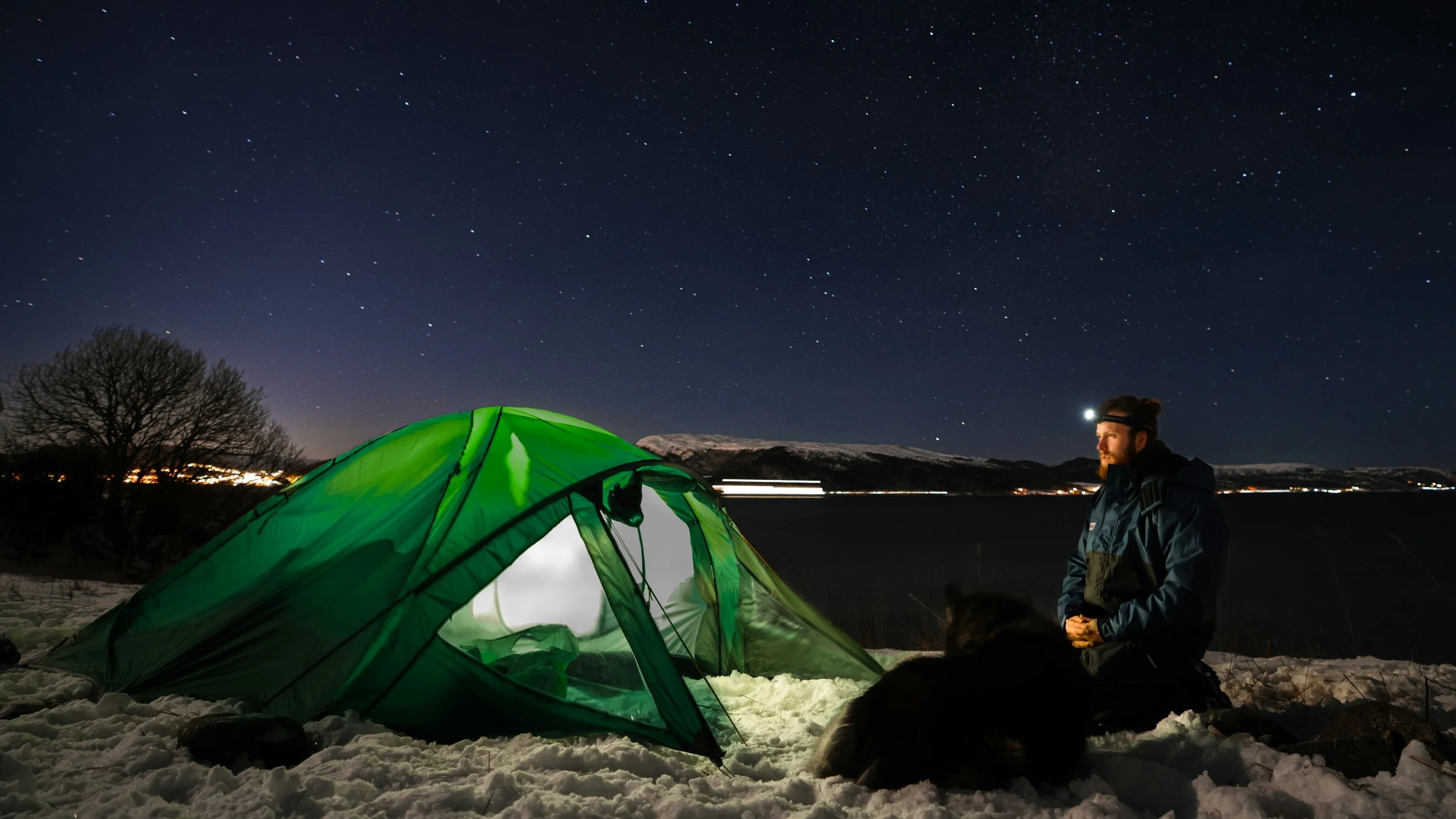
Stay Warm, Stay Safe: 5 Tips for Your Winter Camping Adventure
For outdoor enthusiasts, winter camping is an option that involves spending time in nature but with increased planning and preparation, and it is also an exciting new challenge that comes with a set of difficulties. It will be cold, there will be snow, and there will be very limited daylight, so you will face a completely different scenario from summertime when camping. In order to make the trip safe and pleasurable, one should pay attention to proper gear, nutrition, safety tools, and practical strategies. Here are five tips that will help you get ready for your nature camping adventure in winter:
1. Choose the Right Camping Equipment
Choosing the very best equipment for camping is essential to be prepared for extreme temperatures while camping outdoors. Choose a high-quality four-season tent that is designed to withstand snow and wind and provides insulation from the elements. Sleeping bags that are rated highly, that include separate bed pads, provide insulation from the cold ground underneath during sleep. Do not forget about compact and portable cooking gear, such as practical camping tables. These will make the meal preparations easier and more organized. To complement this, wear layered clothing that provides thermal protection and keep your feet protected and insulated with waterproof boots and thermal socks. The right equipment minimizes risks and maximizes the quality of your camping experience.
2. Plan Water and Food Preparation
Adequate hydration and nutrition are vital to survive and enjoy cold-weather camping. Carry water in insulated holders to prevent freezing, and consider using an excellent water heater so you can always have a hot drink available. High-calorie, nutritious foods are the easiest to prepare when camping (nuts, energy bars, and dehydrated meals). The cuisine may not always be the easiest because of the limited cooking equipment available, so choose food items that can be prepared with standard equipment or without much assistance. By using proper planning for both water and food, you will always be able to maintain energy throughout the trip and alleviate unnecessary stress.
3. Invest in the Right Tools and Gadgets
Having reliable tools is essential for both safety and convenience in winter conditions. A knife like the durable OTF is a good choice, since it handles tasks from cutting rope to preparing kindling efficiently. A multitool, portable cookstove, and a strong snow shovel will further add to your advantage. If there is any sort of ice involved, then ice traction devices or crampons can make the experience much safer. The right tool at hand prevents emergencies, allowing you to soak in the environment rather than improvise a solution under undue pressure.
4. Understand the Weather and Terrain
Knowledge of the place is necessary when going on a winter camping trip. Noting the weather changes, you can find facilities for staying the same and settling in as well. Even safe surfaces, stable snow grounds, and improvising for frostbite and other hazards become harder to locate. Besides, during such extreme conditions, it might even get tricky for experienced campers to find their way to shelters, especially if they are not aware of the local trail system. Hence, a reliable map and a compass or GPS should always be with you, and you must be sure of your ability to use both. Weather and terrain knowledge will be your best friends in creating a safe trip with minimal chances of accidents.
5. Practice Safety and Emergency Preparedness
When it comes to winter camping, safety is always going to be the main concern. For this reason, a first-aid kit containing the necessary items, extra garments, an emergency space blanket, and a dependable means of communication must be among the items taken with you. Giving someone the info about your route and the expected date of return should be done before camping out, and carry a communication device that works in far-off places as well. Having fire, whistles, and other signaling devices will provide you with additional security. It is recommended that basic skills, such as how to build a snow shelter in an emergency, be included in your initial survival training since they are the ones that can turn a stressful situation into a manageable one.
To conclude, winter camping is a great way to enjoy and get close to nature, and by taking the proper steps and preparing accordingly, you can get all the fun possible out of this experience. With these five aspects considered, you will be well equipped to face the challenges of winter camping and have a pleasant, memorable outdoor adventure.