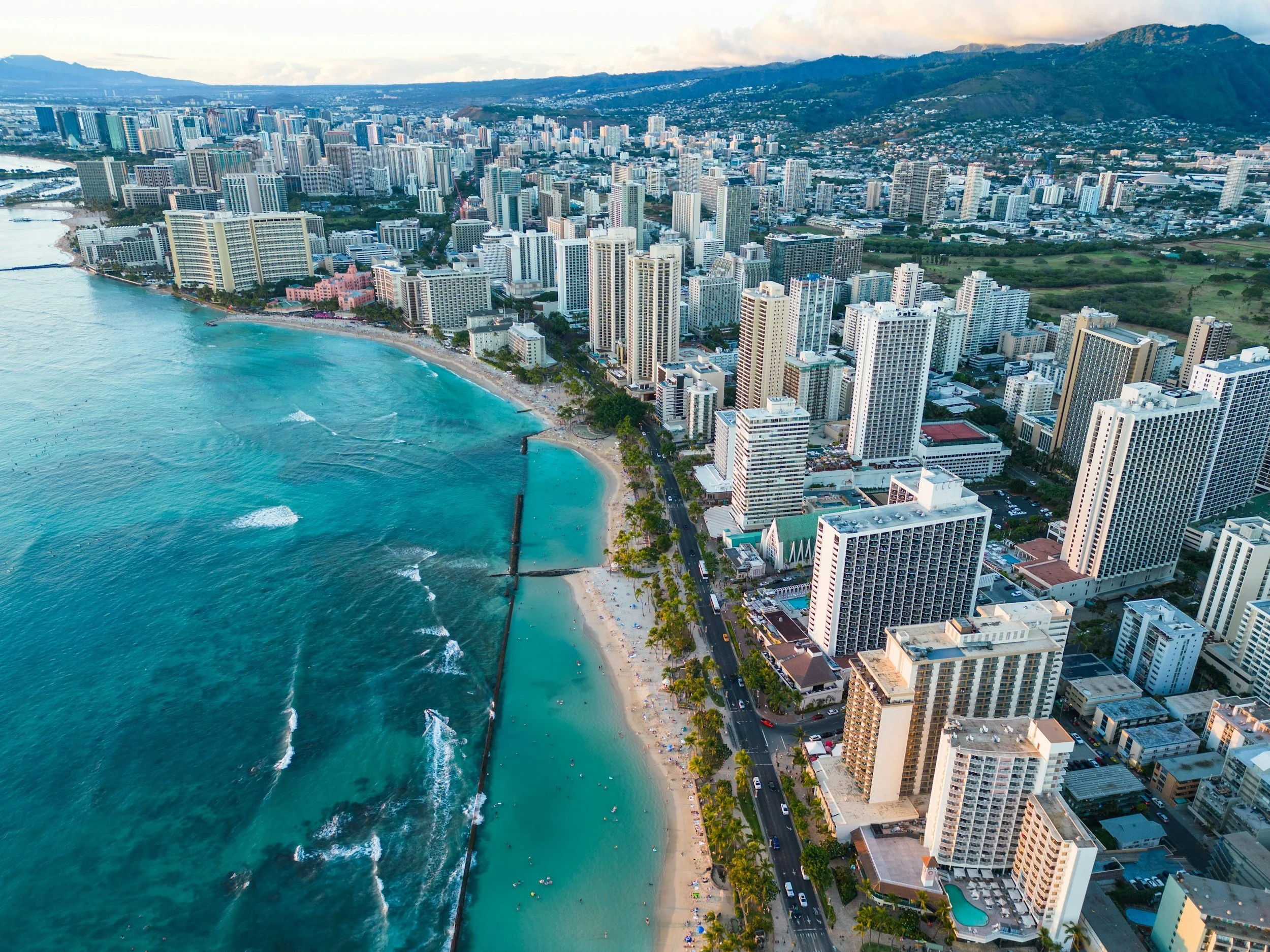
Honolulu's Real Estate Landscape: Navigating Lifestyle and Market Dynamics
Key Takeaways
Honolulu's housing market will continue to evolve with economic, lifestyle, and environmental trends.
Technology and changing buyer needs are shaping how homes are bought, sold, and designed.
Working with experienced local real estate professionals helps buyers make informed, long-term decisions.
Honolulu's unique blend of urban convenience and island charm significantly influences homebuying decisions. Prospective buyers often weigh various lifestyle factors to find a residence that aligns with their personal and professional needs. For expert guidance in navigating this dynamic market, Honolulu real estate agent Kina Knisley of Team K2 offers extensive local knowledge and personalized service. With a deep understanding of the island's unique market dynamics, Kina helps clients find homes that align with their lifestyle and financial goals.
Embracing Green Living
Environmental consciousness grows among Honolulu residents, with many choosing homes with sustainable features like photovoltaic systems and energy-efficient appliances to cut costs and preserve natural beauty. Developments like Ālia in Kakaʻako incorporate eco-friendly designs to attract environmentally minded buyers. Buyers prefer neighborhoods with parks, walking paths, and outdoor amenities. Innovations like green roofs, rainwater catchment, and native landscaping are common in new projects, reflecting environmental responsibility and Honolulu’s leadership in sustainable urban planning. Many use certifications such as LEED or Hawaii Green Business Program to evaluate properties, helping make Honolulu more resilient for future generations.
Balancing Urban and Suburban Preferences
Buyers in Honolulu often choose between urban condos and suburban homes. Condos offer proximity to work and amenities, appealing to professionals. Suburban areas provide more space and a quieter environment for families. The decision depends on lifestyle preferences. Urban residents have access to restaurants, entertainment, and cultural sites such as the Honolulu Museum of Art and Blaisdell Concert Hall. These locations attract younger professionals and retirees seeking a cosmopolitan vibe. Suburban neighborhoods like Hawaii Kai, Kailua, or Mililani are valued for their tranquility, larger lots, and community atmosphere, with access to good schools, parks, and recreational options. The choice depends on commute, public transportation, and personal lifestyle goals, whether enjoying beach days or downtown life.
Affordability Challenges
The median home price in Honolulu is now $1.1 million, making affordability tough for many residents. This has increased interest in condominiums, which are more affordable, with a median resale price of $500,000 in April 2026, lower than single-family homes. Affordability remains a key issue for first-time buyers and local families. Some are exploring options like multigenerational living or co-buying. Government initiatives and new developments with rent-to-own or income-restricted units aim to help, but limited inventory and higher costs keep affordability challenging. Buyers often work with real estate agents to find the best financing and emerging neighborhoods with potential for appreciation.
Influence of Out-of-State Buyers
Honolulu's real estate market is also shaped by interest from mainland U.S. buyers. Cities like Los Angeles and New York contribute significantly to the pool of prospective homeowners, adding to the competitive landscape. This influx can drive up prices and affect availability, impacting local buyers' options.
Out-of-state buyers often view Honolulu real estate as an attractive opportunity, either for relocation, investment, or second homes. The prestige of owning property in an iconic location, along with Hawaii’s strong rental market, makes the island highly appealing. This external demand, while beneficial to sellers, can sometimes fuel concerns about housing accessibility for local residents. Policymakers and community leaders continue to discuss measures to balance outside investment with residents' needs, such as restricting short-term vacation rentals or offering incentives to prioritize Kamaʻāina buyers in new developments. For buyers, this competitive environment underscores the importance of being well-prepared—pre-approval for financing and decisiveness are key when desirable listings come to market.
Community and Cultural Considerations
Many choose to buy homes in Honolulu due to community ties and cultural values, like proximity to family, schools, and cultural centers. Developments like Lamakū Tower in Kakaʻako aim to protect local interests by offering sales exclusively to Kamaʻāina during initial phases. The Hawaiian concept of ‘ohana, or family, influences buyers to seek homes near extended family, cultural spots, or worship places. Schools with Hawaiian immersion and community events celebrating heritage attract families. Homes often feature cultural design elements, open spaces, and lanais for indoor-outdoor living. Supporting places that honor local values helps sustain Honolulu’s vibrant neighborhoods, reinforcing identity and belonging for future generations.
Market Dynamics: Buyer’s vs. Seller’s Market
Understanding whether the market favors buyers or sellers is essential. As of mid-2025, Oʻahu experienced a shift towards a buyer's market, with increased inventory and longer days on market. This trend gives buyers greater negotiating power and options, shaping their purchasing decisions.
In a buyer's market, sellers may offer incentives such as covering closing costs, offering home warranties, or pricing homes competitively to attract offers. Buyers benefit from greater negotiation flexibility, thorough property inspections, and the ability to be choosy. However, shifting market dynamics can be fleeting—factors like global economic shifts or changes in lending rates may tip the scales back toward sellers. Monitoring real-time data and working with a dedicated real estate advisor like Kina Knisley empowers buyers to seize opportunities as they arise and make well-informed decisions regardless of market trends.
Future Outlook
Honolulu's housing market will evolve with interest rates, economic conditions, and lifestyle trends. Staying informed and working with experts is vital. Technology will shape virtual tours, online closings, and digital documentation. Demographics will shift demand for flexible spaces for remote work, aging, or investments. Environmental changes, such as sea level rise and storms, will inspire resilient design and influence development locations. Success depends on local expertise, community values, and adaptability. Buying a home is about aligning with personal values and lifestyle. Understanding trends and consulting professionals helps buyers make informed, satisfying decisions.