Creating The Kind Of Home You Want To Return To
If you are someone who travels a lot, you are probably going to be keen to have a home that you are happy to come back to. That might sound simple or obvious, but it’s really something that is worth thinking about. All in all, it is going to mean that you are much more likely to enjoy your home for what it is and to make the most of it.
In this post, then, we are going to discuss what you might do to create the kind of home you really want to return to. Creating a home you genuinely want to return to does not necessarily mean spending huge amounts of money or following every new interior trend. Often, it comes down to making thoughtful choices that improve how your space feels day to day.
Work On The Atmosphere
One of the first things worth considering is the atmosphere. Lighting, colour, texture, and layout all affect the mood of a room. A cold, cluttered environment can make even a beautiful property feel stressful, while a warm and organised space can instantly feel calming. Start by thinking about how you want each room to feel. A bedroom might need to feel restful and quiet, while a living room could be designed to encourage conversation and relaxation.
Think About Colour
Colour plays a surprisingly important role in this. Soft earthy tones, warm neutrals, and muted greens or blues can help create a more grounded environment. Of course, brighter colours can still work beautifully when used intentionally. Accent walls, artwork, cushions, or statement furniture pieces can add character without overwhelming a room. The goal is not perfection but balance.
The Wallpaper
Wallpaper has also made a major comeback in modern interior design, and it is one of the easiest ways to give a room personality. Whether you choose subtle textured wallpaper for a calming effect or bold patterned wallpaper to create a feature wall, it can completely transform the atmosphere of a space. Floral designs can soften a room, geometric patterns can make it feel more contemporary, and darker wallpapers can create a cosy, cocoon-like feeling in areas such as dining rooms or bedrooms. Wallpaper is particularly effective in spaces that might otherwise feel overlooked, like hallways, downstairs toilets, or alcoves.
Comfort & Clutter
Comfort should always be prioritised over appearance alone. A stylish room that feels uncomfortable rarely becomes somewhere people genuinely enjoy spending time. Invest in things you use every day, such as a supportive sofa, quality bedding, soft throws, and proper curtains that help regulate light and temperature. Small comforts quickly become the details that make home feel inviting.
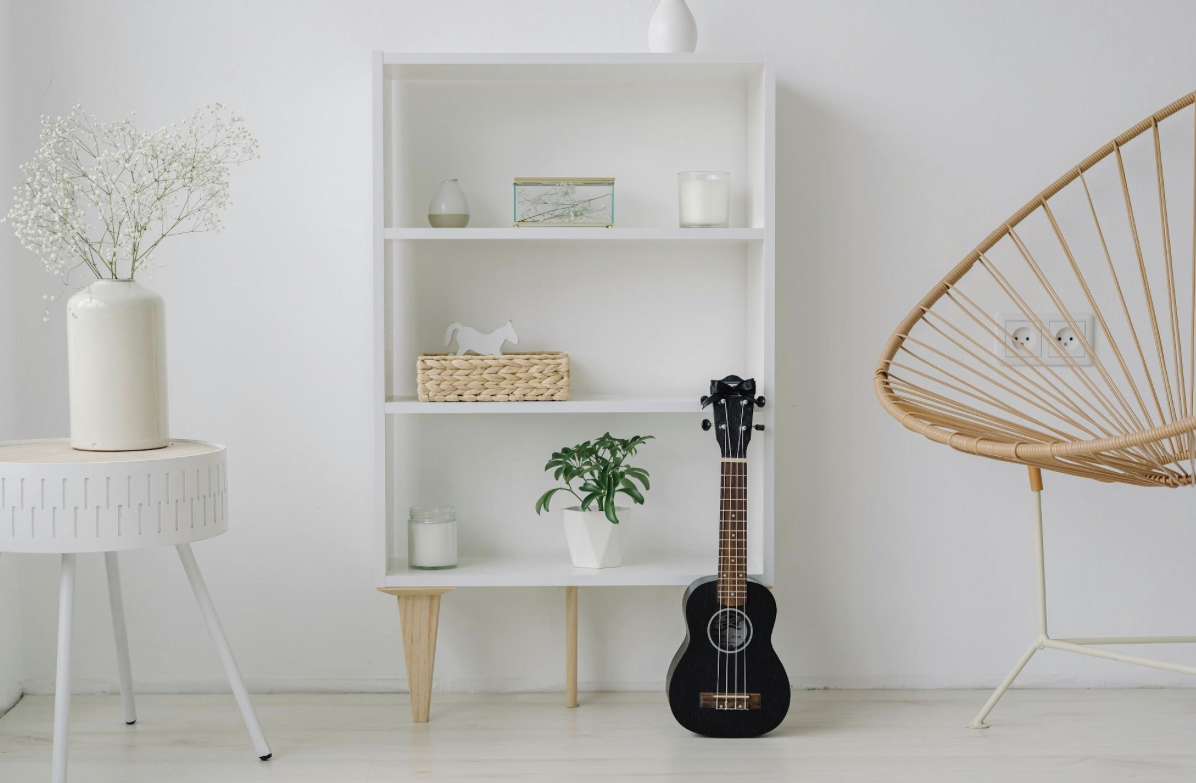
Clutter is another factor that can quietly affect how you feel in your space. When everything feels chaotic, it becomes difficult to fully relax. That does not mean your home needs to look minimalist or empty, but creating better storage solutions can make everyday life much easier. Shelving, baskets, hidden storage furniture, and simple organisation systems help maintain a sense of calm without stripping away personality.
Natural Elements
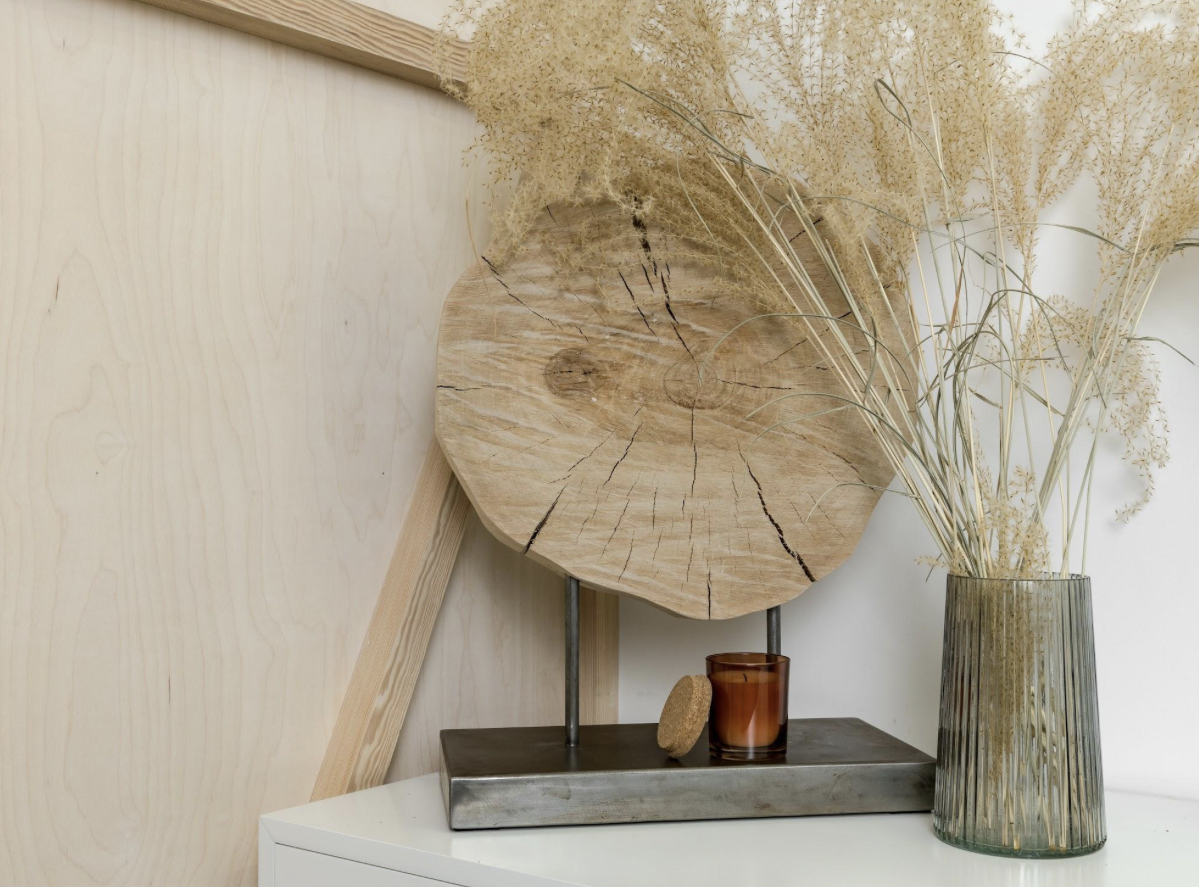
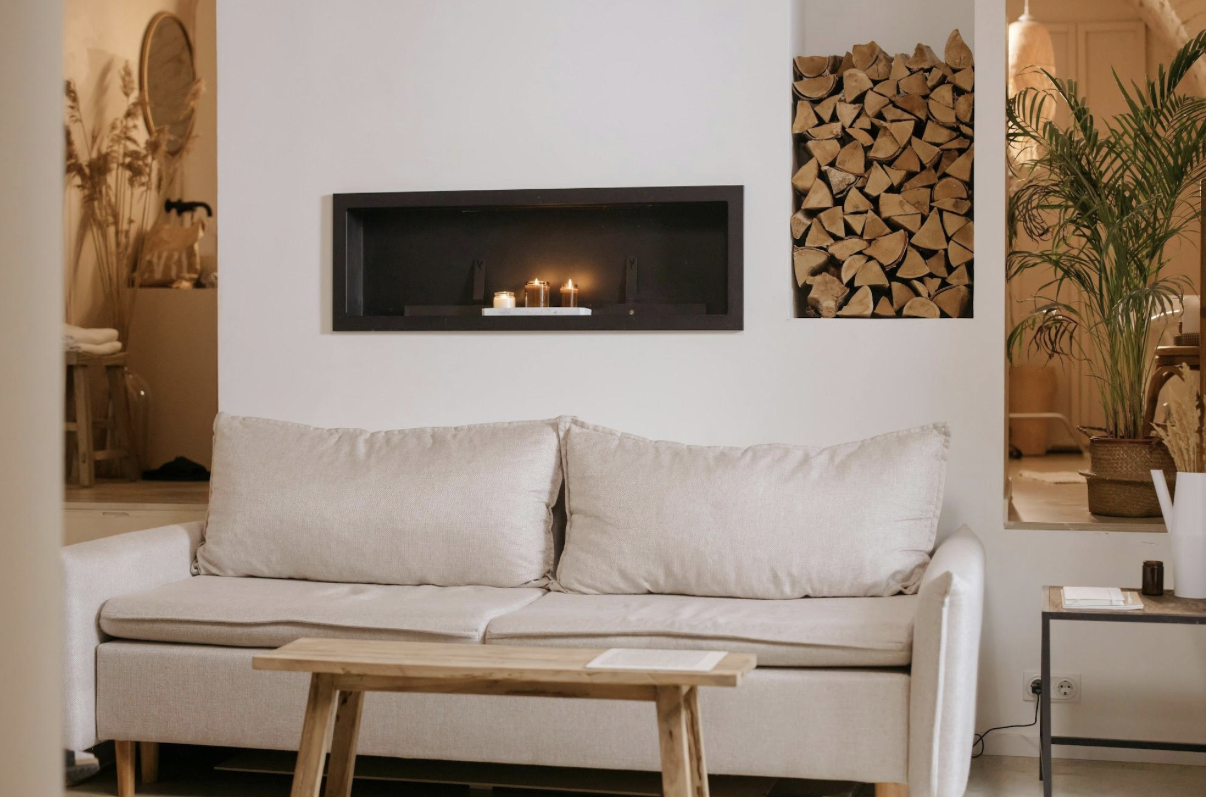
Adding natural elements can also dramatically improve how a home feels. Houseplants, fresh flowers, wooden textures, and natural fabrics help soften interiors and make rooms feel more alive. Even if you are not particularly interested in gardening, a few low-maintenance plants can add colour and warmth to a space. Natural light should also be embraced wherever possible. Keeping windows unobstructed and using mirrors strategically can help rooms feel larger and brighter.
Other Senses
Scent and sound are often overlooked as well. Candles, diffusers, fresh air, or even the smell of cooking can influence the emotional feeling of a home. Background music, soft furnishings that absorb echo, and quiet corners for reading or reflection can make a home feel far more peaceful after a long day.
It’s A Process
It is also worth remembering that creating a home is an ongoing process. The most comfortable homes evolve naturally over time instead of being completed all at once. As your lifestyle changes, your home can change with it. You may discover new colours you love, different furniture layouts that work better, or design styles that suit your personality more closely.
Ultimately, the kind of home you want to return to is one that supports your life rather than simply impressing visitors. It should make you feel comfortable, grounded, and genuinely happy to be there. When your home reflects who you are and how you want to live, even ordinary moments like making tea, reading on the sofa, or sitting quietly at the end of the day become far more enjoyable.