
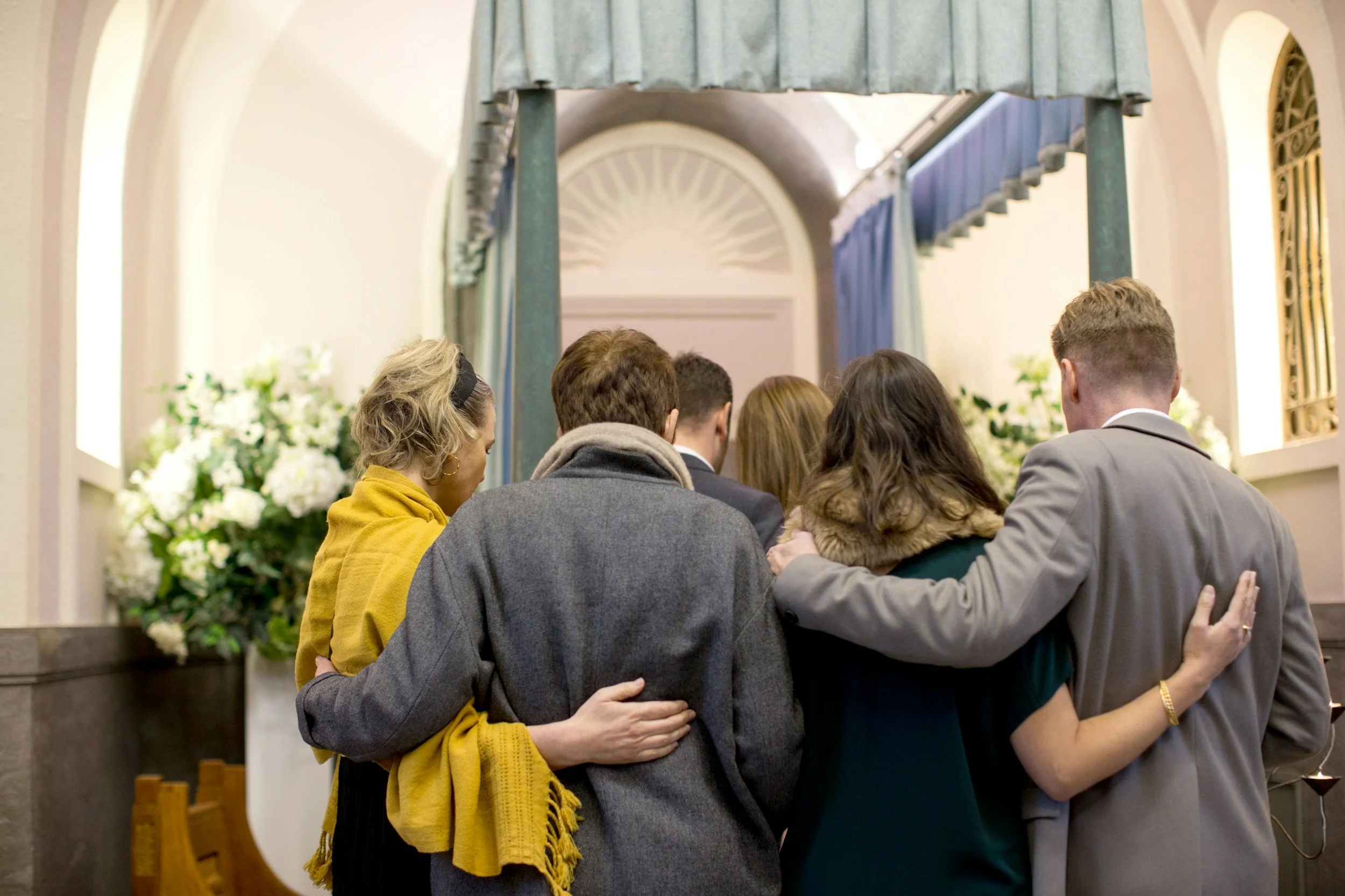
Thoughtful Ways to Offer Support During a Funeral Service
When you attend a funeral to support grieving relatives, the smallest choices can make the service easier for them to move through. Families are usually greeting guests, following a set schedule, answering quiet questions, and carrying emotional strain at the same time, so visitors who arrive prepared and steady can reduce pressure instead of adding to it. The most helpful support is simple, calm, and easy for the family to receive.
Useful support starts before you speak and continues through every part of the day, from arrival and seating to the graveside and the moments after people begin to leave. Knowing when to step in, when to stay quiet, and how to offer one clear form of help can make your presence more useful to the family. Brief words, careful timing, and practical awareness help keep attention where it belongs.
Show Up Usefully
Service details are usually posted in the obituary, on the funeral home website, or printed at the entrance, and they often include start times, visitation windows, and where the committal will happen. Checking that information before you arrive helps you park, enter, and take a seat without needing directions from a relative. Bringing a card already addressed, silencing your phone, and knowing the family’s preferred names keeps early moments smooth when the room is settling.
Entry points and transition times tend to be where small needs show up first, like crowded doorways, an overflow seating area, or older guests who need an arm and a clear path. If the schedule includes a cemetery procession, watching for staff cues and keeping your vehicle ready prevents delays that land back on the family. When memorial planning comes up later, even quiet awareness that the family may soon be comparing memorial options or looking at headstones for sale online can keep your questions brief and well-timed.
Speak With Care
A short condolence said in a calm voice is easier to receive than a long message delivered while the line keeps moving. Keep your words focused on the person who died and the family’s loss, then let the next guest step in without delay. Avoid personal comparisons or details about your own experiences, since the family may feel obligated to respond even when they can’t. If you want to offer help, name one small option like a meal drop-off or a ride so they can answer quickly.
Timing can matter as much as wording, especially when the family is moving between visitation, the service, and the graveside. Save questions about logistics, photos, personal items, or future plans for another day unless the family brings it up first. Physical comfort should follow clear cues, since not everyone wants a hug in a crowded room. When you step away, give them space to greet the next person and keep the line moving without apology.
Help Without Hovering
Side tasks tend to pile up around the edges of the room, like people looking for restrooms, a guest book that needs a working pen, or extra programs running low near the doors. Taking care of small gaps like these keeps the focus on the service and prevents a family member from being pulled away mid-greeting. If you know the venue layout, you can quietly point guests toward seating, exits, or the right line without drawing attention.
Transitions tend to create the most confusion as people move from visitation to the chapel, then to vehicles or a reception space. Watch what funeral home staff are doing and stay out of their way while still being available to open doors, steady an older attendee on steps, or give a simple direction when needed. Avoid taking charge or giving instructions unless you were asked, since mixed messages can slow the schedule and frustrate staff.
Respect Family Boundaries
Some families prefer a shorter receiving line and a quieter, more private tone throughout the service. Pay attention to cues from the officiant, funeral home staff, and close relatives so you can judge when to approach, where to stand, and how much to participate. When the room feels formal or reserved, it helps to match that tone and keep your presence unobtrusive so attention stays on the service.
Physical comfort needs the same restraint, since a hug, touch, or close conversation can feel intrusive when grief is raw. Wait for clear cues before offering contact, and accept a brief nod or handshake without pushing for more. If religious customs are unfamiliar, keep your actions simple and let others take the lead so you don’t interrupt a ritual or block a key moment. When you are unsure, step back, stay quiet, and leave space near the immediate family.
Stay Helpful Afterward
After the last guest leaves, the family may still need to transport flowers, store food, and collect personal items from the funeral home or church. A follow-up is more helpful when it is tied to one concrete task, such as dropping off dinner on a certain night, handling a pharmacy run, or driving someone home who should not be alone. Offering a clear time and a simple yes-or-no option keeps the family from having to plan or coordinate anything extra while they are already tired.
Paperwork and planning usually start quickly, including contacting employers, sorting mail, returning borrowed equipment, and answering questions about the memorial or burial details. If you can help with calls, copies, or organizing documents, ask who should receive what and where it needs to go so nothing ends up scattered. When memorial planning comes up, keep questions limited to what the family is ready to decide and who is the point person for it.
At a funeral, the most useful support is the kind that asks less of the family. Before stepping in, use a simple test: does this action save time, reduce guest pressure, or protect privacy right now? Small practical help can matter more than long conversations, especially when it involves seating, directions, supplies, rides, or quiet help during transitions. Words should stay brief, calm, and easy to receive, with offers that are specific enough to answer quickly. Respect also means following family and staff cues and stepping back when quiet presence fits better. Choose one clear way to help, then carry it through.