
Big trends in web development in 2026: Insights from PowerGate Software’s expert
As digital transformation matures, businesses are entering a new phase of web development. In 2025, most organizations focused on cloud migration, AI adoption, and performance optimization. By 2026, the challenge is no longer about adopting new technologies, but about building intelligent, modular, and deeply integrated digital platforms. Based on hands-on experience delivering large-scale solutions to international clients, experts from PowerGate Software share the key trends shaping web development in 2026.
Progressive web apps: From “trend” to capability-driven platforms
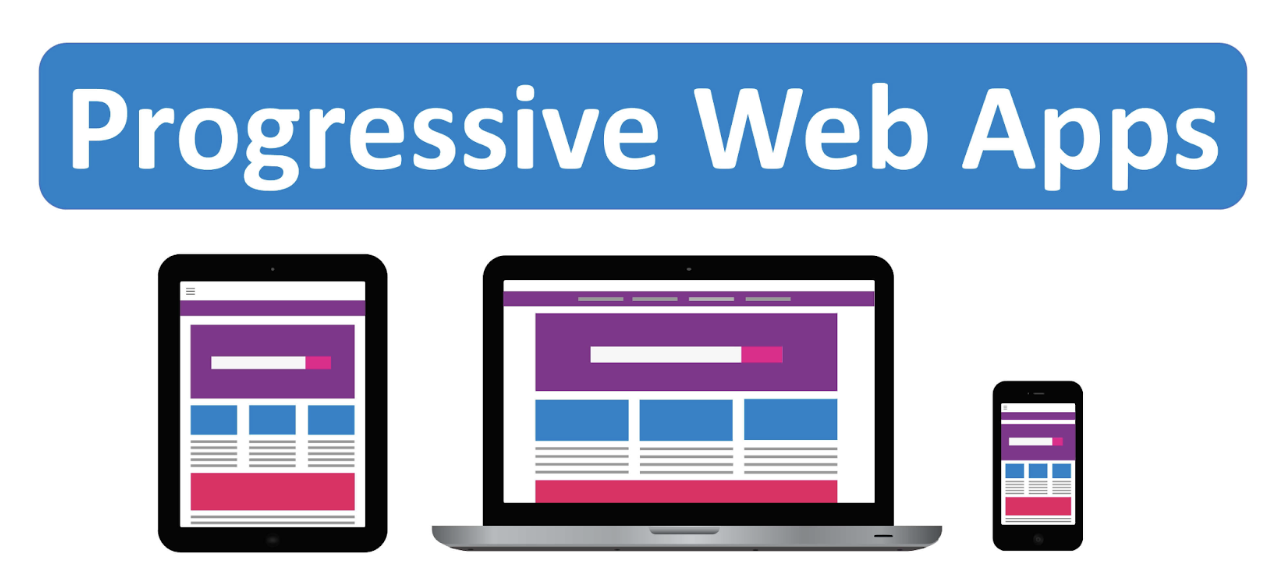
Progressive Web Apps (PWAs) are no longer a new concept in 2026. With the rise of Web Capabilities APIs under initiatives such as Project Fugu, PWAs can now interact more deeply with hardware features, including file systems, Bluetooth devices, cameras, and biometric authentication. This allows web applications to behave much more like native apps.
For businesses, this means that many internal tools, customer platforms, and field-service systems can be built as web-first applications without sacrificing functionality. When designed properly, PWAs in 2026 can support enterprise-grade workflows while maintaining lower development and maintenance costs.
WebAssembly: Beyond the browser with server-side wasm
WebAssembly has long been associated with high-performance applications running in browsers. While this remains important, its role in 2026 has expanded significantly to the server side.
Server-side WebAssembly is increasingly used in cloud-native environments, often integrated with container platforms such as Docker and Kubernetes. Wasm modules provide lightweight, secure, and portable execution environments that start faster and consume fewer resources than traditional virtual machines.
This makes WebAssembly attractive for microservices, edge computing, and multi-tenant platforms where isolation and scalability are critical. Organizations are now using Wasm to optimize backend processing, API gateways, and data pipelines, not just frontend performance.
As part of modern system architecture, WebAssembly helps reduce infrastructure overhead while improving deployment flexibility.
Jamstack and modern frontend architecture
Jamstack remains a key foundation for fast and secure web platforms. In 2026, it has evolved into a broader ecosystem that combines static generation, serverless functions, and edge computing. This approach enables organizations to deliver highly responsive user experiences while minimizing backend exposure. It is widely adopted for marketing websites, documentation platforms, SaaS dashboards, and customer portals.
When combined with API-first design and headless services, Jamstack supports continuous delivery and rapid experimentation. Development teams can update frontend interfaces independently from core systems, reducing release cycles and operational risks.
Headless CMS: Enabling omnichannel experiences
As customer journeys span websites, mobile apps, chat interfaces, and internal systems, traditional content management systems have become increasingly restrictive. Headless CMS platforms solve this problem by separating content creation from content delivery. Content is stored centrally and distributed through APIs to multiple channels.
In 2026, headless CMS is essential for enterprises pursuing personalization, localization, and multi-brand strategies. It allows marketing and product teams to work independently while developers retain full control over frontend technologies. Enterprise platforms such as Liferay can support these strategies by providing flexible content management and delivery capabilities.
This architectural flexibility also supports integration with PWAs, Jamstack frameworks, and AI-driven personalization engines.
AI Agents: From features to autonomous business support
In 2026, AI agents can manage customer onboarding, support internal operations, analyze business data, and coordinate workflows across multiple systems. Embedded directly into web platforms, they act as intelligent assistants for both employees and customers. However, deploying AI Agents successfully requires strong data governance, system integration, and user experience design. Without these foundations, automation can create more friction than value.
Organizations that invest in AI-enabled process optimization gain measurable advantages in efficiency and decision-making.
API-first and composable platforms
Modern web systems are increasingly built as collections of modular services. Instead of relying on monolithic architectures, companies adopt composable platforms where each component can be developed, scaled, and replaced independently.
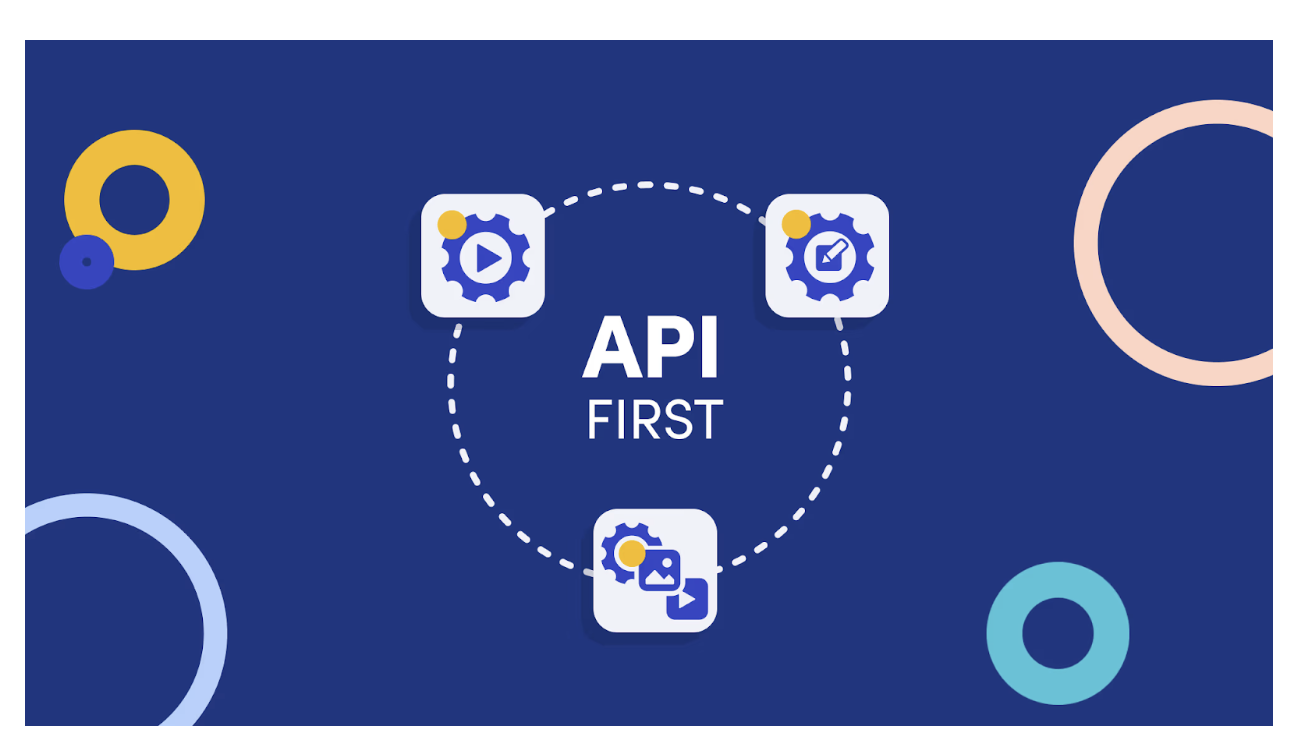
API-first design is central to this model. By prioritizing APIs from the beginning, development teams enable smoother integrations with partners, third-party services, and internal tools.
In 2026, composable architecture supports faster innovation, reduces vendor lock-in, and lowers long-term technical debt. It also creates a strong foundation for integrating emerging technologies such as AI Agents and edge computing.
Security, privacy, and performance as strategic priorities
As platforms become more interconnected, risks increase accordingly. Cybersecurity threats, regulatory requirements, and performance expectations continue to intensify. Successful organizations treat security and compliance as core design principles rather than afterthoughts. Secure authentication, encrypted data handling, privacy-by-design, and continuous monitoring are now standard requirements.
At the same time, performance remains a key differentiator. Users expect fast and stable experiences regardless of location or device. This requires careful architecture planning and ongoing optimization.
Transforming technology trends into sustainable value
With extensive experience in custom web development, cloud engineering, and AI integration, PowerGate Software’s CTO emphasizes that adopting modern technologies is only the first step. The real challenge lies in connecting these technologies into coherent, scalable, and maintainable systems that align with long-term business goals.
Successful digital platforms are built by understanding business objectives first, then designing flexible architectures that can evolve. From discovery and system design to implementation and continuous optimization, this structured delivery approach helps organizations reduce technical risks, improve operational efficiency, and maximize return on investment.

Final thoughts
Web development in 2026 is defined by capability-driven PWAs, server-side WebAssembly, AI Agents, composable platforms, and security-focused design. Together, these trends are reshaping how digital products are built and operated. Yet, technology alone does not guarantee success. Sustainable competitive advantage comes from aligning architecture, processes, and business strategy.
For organizations planning to modernize their digital platforms, a practical first step is to evaluate their current systems against these trends. A focused consultation on composable architecture and AI integration can help identify opportunities for improvement and long-term scalability. By taking a structured, future-oriented approach, businesses can turn web innovation into measurable business impact.
The insights shared in this article are based on practical experience from PowerGate Software, a global AI-powered software product studio from Vietnam with over 15 years of industry expertise. For organizations seeking strategic consulting and tailored solutions in web development, cloud engineering, and AI integration, PowerGate Software offers end-to-end support from concept to scale. To explore how these technologies can be applied effectively to your projects, you are welcome to connect with the PowerGate Software team through the contact information below:
Website: https://pow ergatesoftware.com/