KLM Compensation Claim: A Step-by-Step Guide for Passengers
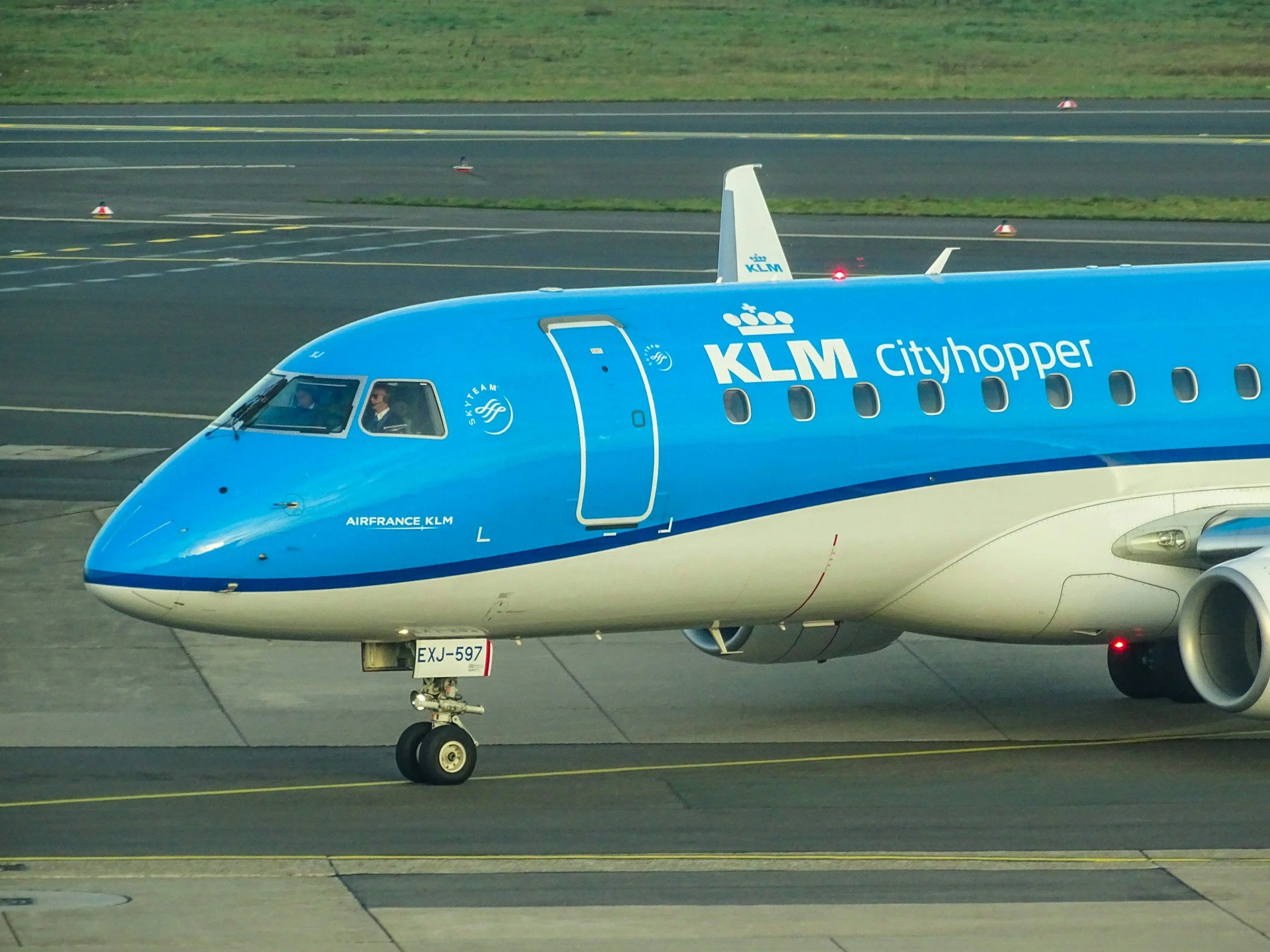
KLM is one of Europe's most established carriers, operating out of Amsterdam Schiphol to destinations across the globe. Most journeys go without a hitch. But when something does go wrong — a delay that stretches into the evening, a cancellation that derails an entire trip — passengers are often left in the dark about what they're actually owed.
The good news is that European law is firmly on your side. If your KLM flight was disrupted and it touched an EU airport, there's a reasonable chance you're entitled to compensation of up to €600. The less good news is that airlines don't always make it easy to collect.
This guide walks you through the process from start to finish.
Understanding Your Legal Entitlement
The regulation that governs flight compensation across Europe is EC 261/2004, in place since 2005. It applies to any flight departing from an EU airport — regardless of the airline — and to inbound flights operated by EU-based carriers. KLM, as a Dutch airline, is covered on both counts.
Under this regulation, three types of disruption trigger compensation eligibility. A delay that results in you arriving at your final destination more than three hours late. A cancellation communicated less than 14 days before the scheduled departure, without a reasonable alternative being offered. And denied boarding caused by overbooking — something airlines still do, quietly and routinely.
Compensation is calculated by flight distance, not by what you paid for your ticket. Flights under 1,500 kilometres are worth €250 per passenger. The middle bracket — 1,500 to 3,500 kilometres — pays out €400. Flights over 3,500 kilometres, which covers most of KLM's long-haul network, are worth €600 per person.
One thing that catches people off guard: these amounts are fixed. A business class passenger on the same disrupted flight gets the same €600 as the person who booked the cheapest economy seat six months in advance.
Step One — Work Out Whether Your Flight Qualifies
Before anything else, you need to establish whether your specific disruption falls within the scope of EU261. A few straightforward questions help narrow this down.
Did your flight depart from an EU airport, or arrive into one operated by an EU-based carrier? KLM's Amsterdam hub is in the Netherlands, so flights to and from Schiphol almost always qualify. Flights from non-EU airports operated by KLM to EU destinations also typically fall within scope.
Did you arrive at your final destination more than three hours late? The three-hour threshold applies to actual arrival time — specifically when the aircraft doors open at the destination — not to the scheduled departure time or when the plane touched down.
Was the disruption within KLM's control? This is where claims sometimes get complicated. Technical faults, crew availability issues, and late-arriving aircraft are generally considered the airline's responsibility. Severe weather conditions, air traffic control strikes, and similar events outside the airline's sphere of control are usually excluded. That said, airlines sometimes invoke extraordinary circumstances incorrectly, and a specialist service will push back on those rejections.
Did you check in on time and hold a confirmed booking? If yes, this condition is met.
Step Two — Gather What You Have
You don't need a thick folder of documents to start a claim. The basics are enough to get the process moving. Your flight number and travel date are the most important pieces of information. A booking confirmation email or boarding pass helps, though in many cases claims can be processed without them — flight records are often retrievable from public databases.
If the disruption involved a connection, note all the flight numbers in your itinerary and the final destination where you eventually arrived. The total delay at the end of the journey is what matters for eligibility purposes, not the delay on each individual leg.
Step Three — Decide How to File
There are two ways to pursue a KLM compensation claim.
The first is going directly to KLM. Their customer relations team accepts compensation requests through their website. Filing this way costs nothing, and if your case is clear-cut, it can work. The drawbacks are well-documented though. Response times are often long, documentation requests can feel excessive, and a first rejection — citing extraordinary circumstances or a technicality — isn't uncommon even when the claim is entirely valid. Passengers who don't know the regulation in detail sometimes accept that rejection and walk away.
The second option is using a specialist compensation service. These platforms handle everything — eligibility checks, claim submission, airline negotiation, and legal escalation if it comes to that. They work exclusively on a no win, no fee basis. If the claim doesn't succeed, you pay nothing. If it does, the service deducts a percentage before transferring the rest to you.
Voos operates on exactly this model. Submitting your details takes a few minutes, and from that point the team manages all contact with KLM directly. If the airline rejects the claim or drags its feet, Voos escalates through legal channels without any additional cost or involvement required from you.
Step Four — Submit and Wait
Once your claim is submitted, the timeline varies. Straightforward cases where KLM accepts liability tend to resolve within a few weeks to a couple of months. Contested cases — where the airline pushes back or the disruption falls into a grey area — can take longer, particularly if legal action becomes necessary.
During this period, you don't need to do anything. A good claims service keeps you updated on progress and handles every stage of communication independently.
A Few Details That Often Get Missed
Compensation is per passenger. If you were traveling with others on the same booking and the same disrupted flight, each person has their own individual claim. Four people on a long-haul route adds up to €2,400 — worth pursuing.
The time limit for filing is longer than most people assume. In most EU countries, passengers have up to three years from the date of the disrupted flight to submit a claim. Older disruptions are absolutely worth checking.
Accepting food vouchers or hotel accommodation during a delay at the airport doesn't forfeit your right to financial compensation. These are separate entitlements under EU261 — duty of care provisions that the airline is obliged to provide regardless of whether compensation is owed.
And finally, if KLM offered you a travel voucher during or after the disruption and you accepted it, the situation around cash compensation becomes more nuanced but isn't necessarily closed. It's still worth checking your options.
Starting a KLM compensation claim requires very little from you — a few minutes to enter your details, and the process takes care of itself from there.