Why Bhutan Feels Different From Every Other Destination
Some countries impress you with monuments. Others with beaches, nightlife, or luxury resorts. Bhutan leaves a different kind of impression altogether — one that’s quieter, slower, and surprisingly difficult to describe until you experience it yourself.
Nestled deep in the Eastern Himalayas between India and Tibet, Bhutan has long cultivated an image of mystery. Yet what makes the country truly unique is not simply its monasteries or dramatic landscapes. It’s the way modern life coexists with centuries-old traditions, and how nature remains deeply connected to everyday culture.
In a world increasingly shaped by overtourism and fast-moving itineraries, Bhutan offers something many travelers didn’t realize they were missing: stillness.
A Country That Prioritizes Preservation Over Mass Tourism
Unlike many destinations that aggressively expanded tourism infrastructure over the last decades, Bhutan deliberately chose a more controlled approach. The country limits visitor numbers through a sustainable tourism model designed to protect its culture, environment, and communities.
The result is immediately noticeable when you arrive. Roads remain relatively quiet. Historic architecture hasn’t been replaced by glass towers. Religious traditions continue to shape daily life rather than existing solely as performances for tourists.
This slower rhythm changes the way people travel through Bhutan. Instead of rushing from attraction to attraction, visitors often spend more time observing landscapes, speaking with locals, or simply enjoying the atmosphere of places that still feel authentic.
Travelers preparing their journey often rely on a specialized Bhutan Travel Agency to better understand seasonal conditions, regional differences, permits, and the type of experiences that best match their interests.
The Mountains Shape Everything
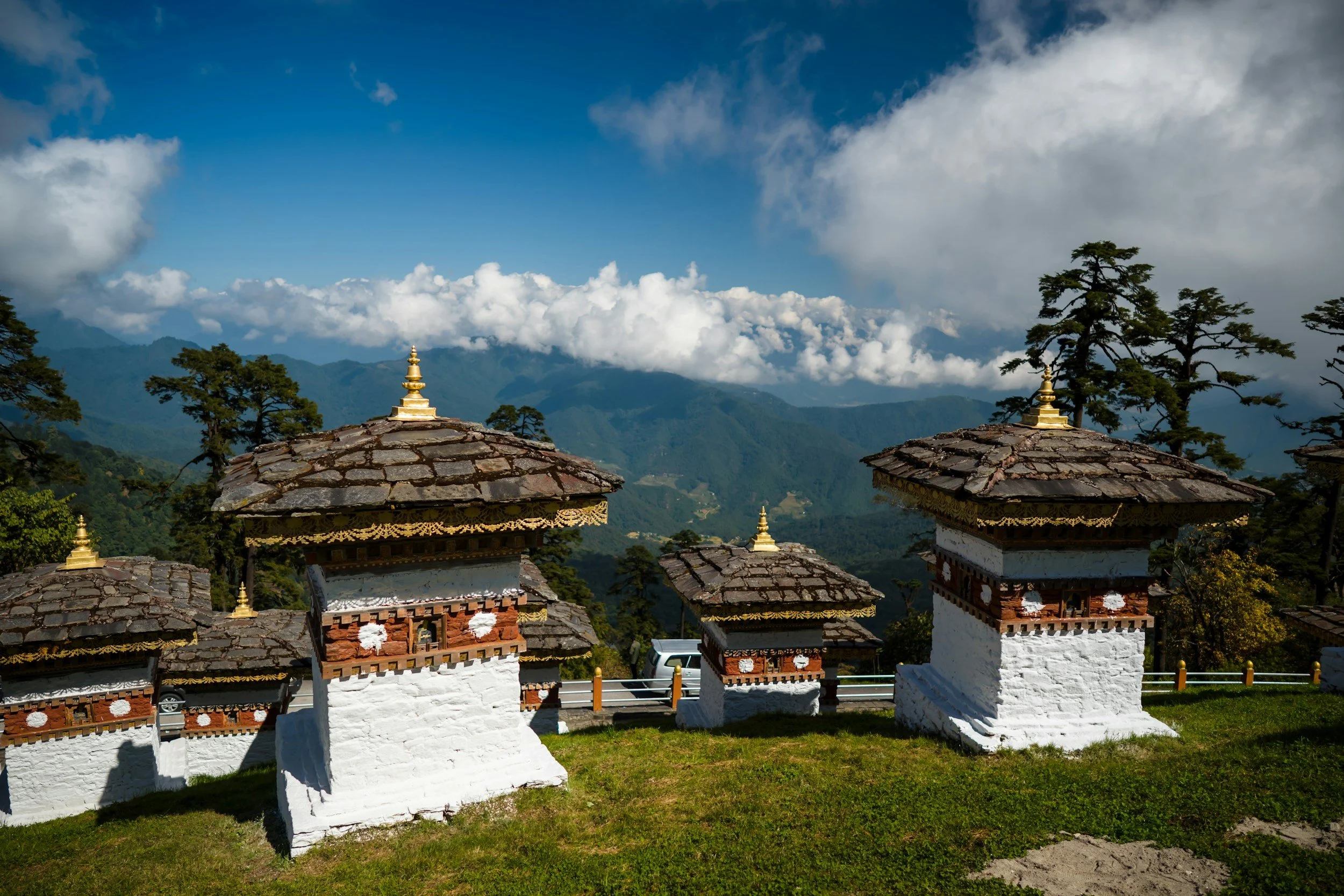
Bhutan’s landscapes are impossible to separate from its identity. Mountains dominate the country physically, spiritually, and culturally. Villages cling to hillsides, monasteries perch dramatically on cliffs, and roads wind through forests and high-altitude passes that often feel untouched by time.
Even short drives can feel cinematic. One moment you’re crossing pine-covered valleys, the next you’re surrounded by snow-capped Himalayan peaks draped in prayer flags.
For travelers interested in hiking or trekking, the country offers a remarkable variety of terrain. Some routes are accessible day hikes through forests and villages, while others cross remote alpine landscapes at elevations above 4,000 meters. The experience is rarely just about physical challenge — it’s also about immersion.
Many travelers planning their itinerary eventually discover that the country’s most memorable experiences happen far from the cities, especially in the more remote Bhutanese mountain regions where landscapes, monasteries, and traditional communities remain deeply interconnected.
Spirituality Is Part of Everyday Life
Bhutan is often described as a Buddhist kingdom, but spirituality here feels less institutional and more woven into daily routines.
Prayer wheels line village paths. Monks walk quietly through towns. Families hang prayer flags outside homes and farms. Even mountain passes are marked by spiritual symbols and offerings.
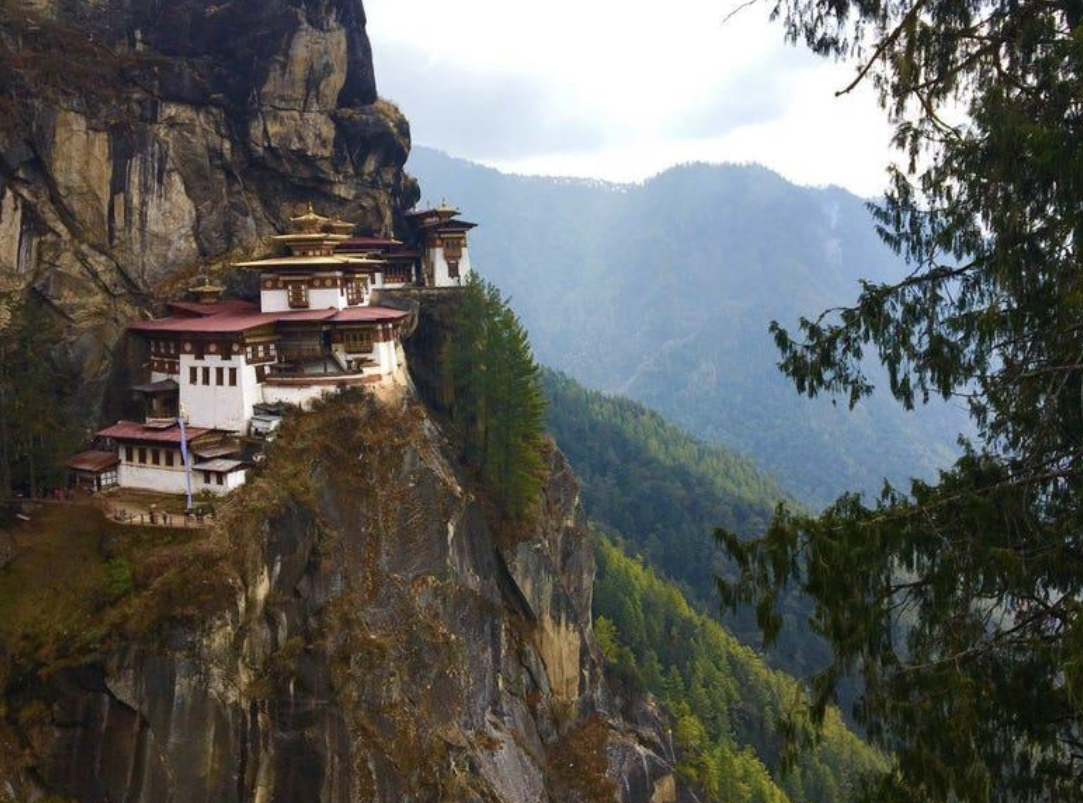
The country’s most iconic site, Tiger’s Nest Monastery, perfectly reflects this connection between landscape and belief. Built into a cliffside above the Paro Valley, the monastery seems almost suspended in the clouds. Reaching it requires a hike, but the journey itself becomes part of the experience.
What surprises many visitors is how natural these spiritual elements feel within everyday Bhutanese life. Nothing appears staged or commercialized. Rituals continue because they remain meaningful to the people who practice them.
Cultural Traditions Remain Strong
One of the most fascinating aspects of Bhutan is how visible traditional culture still is.
Men and women commonly wear the national dress in everyday life. Festivals continue to gather entire communities. Traditional architecture dominates both rural villages and urban centers.
Dzongs — the massive fortress-monasteries found throughout the country — remain central to both religion and administration. These structures are not frozen historical sites; they continue functioning as important civic and spiritual spaces.
Festivals known as tshechus are another highlight. During these celebrations, masked dances performed by monks recount Buddhist teachings and historical stories through elaborate choreography and symbolism. Locals travel from distant villages to attend, transforming courtyards into vibrant gatherings filled with color, music, and tradition.
For travelers, these moments provide something increasingly rare: cultural experiences that still primarily exist for local communities themselves.
Those hoping to better understand these traditions before visiting often explore various Bhutan cultural tours focused on monasteries, festivals, local customs, and Bhutanese heritage across different regions of the country.
Nature Feels Wild and Intact
Bhutan is often cited as one of the world’s only carbon-negative countries, and environmental protection remains deeply embedded in national policy.
More than 70% of the country is covered by forest, and large portions of the territory are protected through national parks and biological corridors. Wildlife still moves relatively freely between ecosystems, including species such as red pandas, takins, snow leopards, and Himalayan black bears.
Birdlife is especially remarkable. Bhutan’s position between tropical and alpine ecosystems creates exceptional biodiversity, attracting birdwatchers from around the world.
Depending on the region and season, travelers may spot black-necked cranes in Phobjikha Valley, colorful Himalayan monals in higher elevations, or countless species hidden within subtropical forests in the south.
Bhutan Encourages Slower Travel
Perhaps the biggest difference between Bhutan and many other destinations is psychological rather than visual.
People often arrive expecting dramatic scenery — and Bhutan certainly delivers that. But what stays with most travelers afterward is the atmosphere: the calm roads, the absence of aggressive commercialization, the quietness of monasteries, the pace of village life.
Even technology feels less dominant in daily interactions compared to many countries. Conversations last longer. Meals feel slower. Time seems less compressed.
This naturally changes the travel experience itself. Instead of constantly seeking the “next attraction,” visitors often become more present in the places they already are.
The Best Time to Visit Bhutan
Each season offers a different perspective on the country.
Spring brings rhododendron blooms, green valleys, and comfortable temperatures ideal for trekking and photography. Autumn is known for clear mountain views and major festivals, making it one of the most popular periods to visit.
Winter offers fewer crowds and crisp skies, particularly in western valleys like Paro and Punakha. Meanwhile, summer transforms the landscape into lush shades of green as monsoon rains sweep across the mountains.
Because elevation varies so dramatically throughout the country, weather conditions can also shift significantly between regions, adding to Bhutan’s sense of diversity.
Why Bhutan Leaves Such a Lasting Impression
There are beautiful places all over the world. What makes Bhutan different is the feeling that the country has preserved a certain relationship between people, culture, and nature that has largely disappeared elsewhere.
The landscapes are extraordinary, but it’s the atmosphere surrounding them that feels memorable. Monasteries are not isolated tourist attractions. Forests are not simply scenery. Traditions are not reduced to performances.
Everything still feels connected.
And perhaps that’s why so many travelers leave Bhutan feeling that they experienced something more than just another destination.