Cybersecurity in the Pharmaceutical Supply Chain in 2025
Why the Pharmaceutical Industry Is One of the Most Attractive Targets for Hackers and Why Having Robust Cybersecurity Services Matters
Did you know that the pharmaceutical industry is one of the most targeted by cyberattacks? On average, these companies face 71 cyberattacks annually, with security breaches costing around $5.2 million. (1) From lengthy supply chains filled with countless medications to intellectual property and the personal data of millions of patients, cybercriminals have numerous vulnerabilities to exploit.
It’s no surprise, then, that the pharmaceutical industry is so heavily regulated. Companies are responsible for protecting vast amounts of highly sensitive and confidential data and must comply with data protection laws and strict healthcare regulations.
However, as these companies progress and increasingly adopt digital solutions, hackers evolve just as rapidly. That’s why having robust cybersecurity services is no longer optional—it's essential for the industry's success.
The Pharmaceutical Industry: A Hacker’s Goldmine
Despite being an industry where a cyber threat could result in incalculable loss, many pharmaceutical companies have yet to adopt adequate cybersecurity measures. Some resist digital transformation, which makes them highly attractive targets for cybercriminals.
Furthermore, pharmaceutical companies often partner with external firms and suppliers for supply chain management, research and development, and clinical trials, greatly expanding their attack surface and vulnerability.
If hackers want to exploit a sector’s digital ecosystem, the pharmaceutical industry is like finding a pot of gold at the end of the rainbow. There are six key reasons why this industry is especially attractive to cybercriminals. (2) Want to know what they are?
1. Valuable Intellectual Property
The pharmaceutical industry invests billions of dollars each year in research and development. This area is an absolute priority for the sector. Each new drug, treatment, or therapy results in highly valuable intellectual property, and cybercriminals know it.
This information and the resulting patents could be sold on the black market, passed on to competitors, or exploited for personal gain. A successful attack could give criminals access to an unimaginable amount of money.
2. Highly Sensitive Data

Pharmaceutical companies handle confidential information, including patient data, clinical trial results, research, and more. This endless network of sensitive data is a key concern for cyber threat intelligence teams. If criminals gain access, they can commit fraud, extortion, or identity theft.
3. Vulnerable Supply Chains
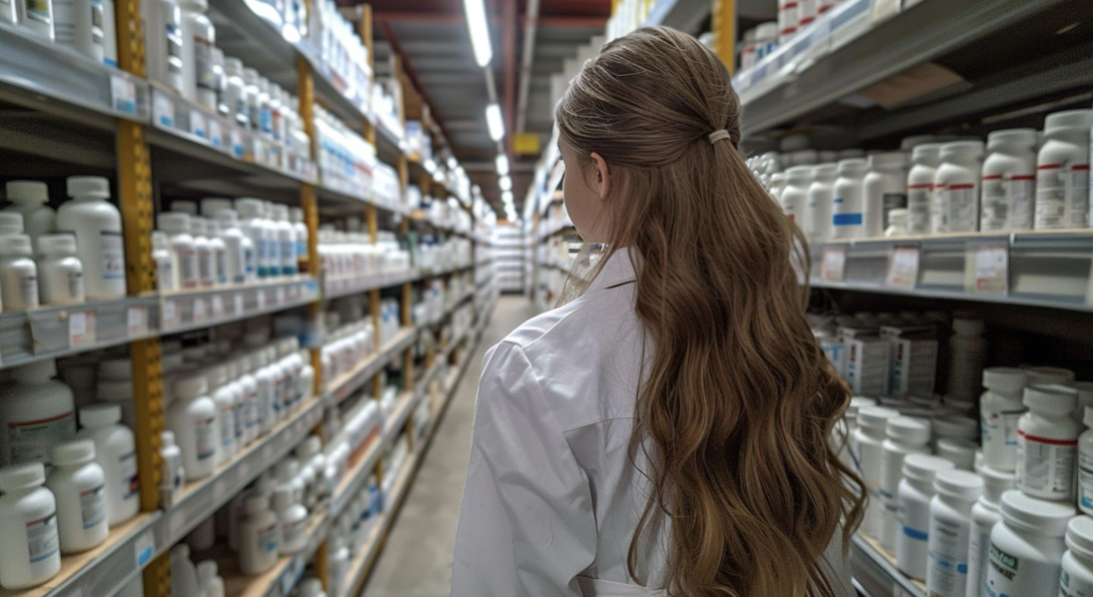
Modern pharmaceutical supply chains operate through countless digital connections, including partners, vendors, and distributors. Each of these entities is a potential entry point for hackers. A cyberattack on the pharmaceutical supply chain can result in losses of up to 24% of annual profits. (3)
Strong security in all third-party relationships is critical. Cybercriminals can access databases and compromise product integrity, threatening the entire supply chain.
4. Exploiting Regulatory Compliance
Pharmaceutical companies must comply with strict regulations or face serious legal and financial consequences. Hackers often look for loopholes in regulatory updates or changes, or they disrupt operations in a way that causes non-compliance. Without a doubt, this is one of the greatest risks facing the industry.
5. Global Consequences
The pharmaceutical industry operates globally, so the losses from an attack can be catastrophic. A cybersecurity incident could jeopardize the safety of hundreds or even thousands of patients. And for the company? The consequences are severe. Studies show that a company can lose up to 7% of its customers after a major data breach. (4)
6. Multi-Million Dollar Profits
There’s no doubt that cybercriminals have countless ways to exploit pharmaceutical companies. From ransomware attacks that encrypt critical data and demand payment for its release, to trafficking in insider information—the money they can make from a single data leak is more than tempting, drawing the attention of hackers worldwide.
Top Cyber Threats Facing the Pharmaceutical Sector
Cyberattacks against the pharmaceutical industry are becoming increasingly sophisticated and frequent. Understanding these threats is key to implementing cybersecurity services that enable companies to defend themselves. (5)
Phishing Attacks
Phishing attacks are very common in the pharmaceutical industry and can have disastrous consequences. Cybercriminals send deceptive emails containing malicious links that employees click on, often without suspicion.
Ransomware
Ransomware is malicious software that locks access to data and demands payment to decrypt it. Pharmaceutical companies are particularly vulnerable to this type of attack due to the critical nature of their data.
Data Theft
Data theft can lead to the exposure of sensitive information about patients, drug patents, or pharmaceutical R&D. A breach of this magnitude may result in regulatory penalties, loss of trust, and legal consequences.
Unauthorized Access
Unauthorized access to confidential data can lead to data leaks or loss. Proper training and monitoring are essential—a single compromised account or poorly managed device can cause a massive data breach affecting multiple systems.
Medical Device Security Issues
Medical devices like pacemakers or insulin pumps are increasingly connected and integrated into pharmaceutical IT systems. However, they may be vulnerable to cyberattacks that could harm patients or compromise data security.
Investing in Cybersecurity Technologies
There’s a lot at stake. Pharmaceutical companies must view cybersecurity as a crucial business priority that requires continuous attention and investment. As the industry becomes more digitized, strong cybersecurity becomes even more vital. Remember, cyber threats evolve just as fast—if not faster.
One of the main barriers to adopting advanced technology is cost. In many cases, the price is so high that companies maintain the status quo. But keep in mind: the cost of poor protection far outweighs the investment in prevention.
By prioritizing security and fostering innovation, companies can protect their assets, comply with regulations, and maintain stakeholder trust. The future of pharmaceutical security depends on active protection, constant adaptation, and an unwavering commitment to data safety.
—------
(1) Cybersecurity pharmaceutical industry protect your company data now
(2) The Scope of Pharmaceutical Cybersecurity in 2024
(3) Estos son los 5 principales riesgos de ciberseguridad en el sector farmacéutico
(4) Cybersecurity pharmaceutical industry protect your company data now
(5) The Scope of Pharmaceutical Cybersecurity in 2024