Choosing the Perfect Paint: A Complete Guide to Color, Quality, and Longevity
Choosing the right paint for your home or project is more than just picking a color. The decision involves several factors like durability, finish, and how long the paint will last.
Whether you're refreshing the walls in your living room or tackling a larger renovation, understanding how to choose the perfect paint can make a world of difference in the final result.
There are many factors to consider, such as the paint's quality, its longevity, and how well it holds up over time. In this guide, we’ll walk you through everything you need to know about picking the best paint for your home.
The Power of Color in Paint Selection
When you start thinking about painting a room, the first thing that often comes to mind is color. It’s what sets the mood, style, and personality of your space. But picking the right shade goes beyond simply liking how it looks in a sample.
Think about the room’s function, lighting, and how the color will complement the rest of the space. Lighter shades can open up a small room, while darker colors create a cozy, intimate atmosphere.
It’s easy to be drawn to trendy colors, but it’s always a good idea to choose shades that match your taste and lifestyle. Remember, paint is something that will be on your walls for quite a while.
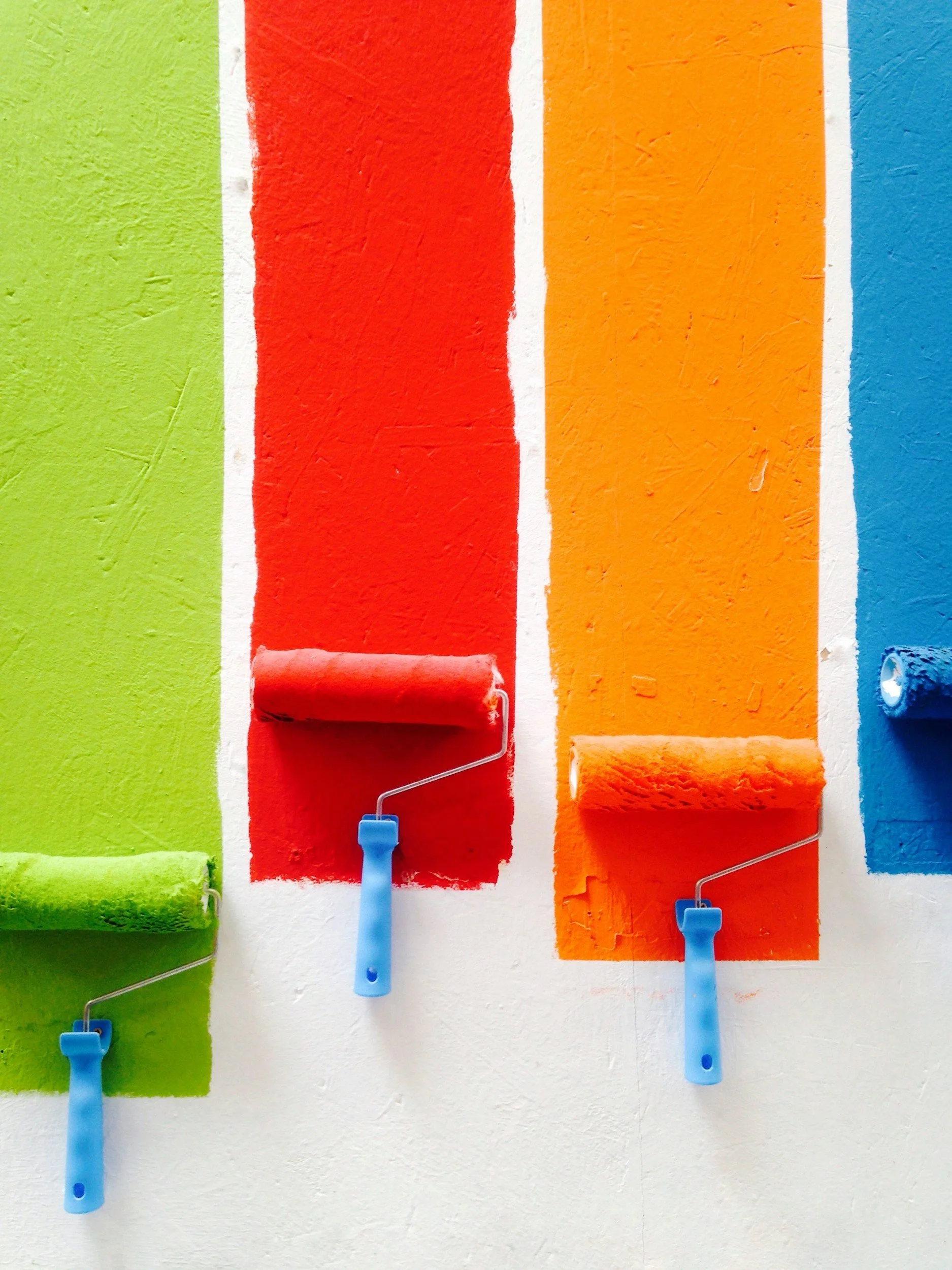
Take some time to test out paint samples on your walls before committing. Colors can look very different under natural and artificial light. By painting small sections on the wall, you’ll be able to see how they work with the lighting and furniture in your space.
Why Paint Quality Matters
Paint quality plays a major role in how well the paint will cover the surface and how long it will stay looking fresh. Cheap paint might save you money upfront, but it often lacks the coverage and durability of higher-end options. Low-quality paint tends to chip, fade, and require more coats, which could cost more in the long run.
Look for paints with a reputation for high coverage, easy application, and a long lifespan. The most trusted paints usually come from well-known brands, and while these can be a bit pricier, they offer better results. Good-quality paint often contains more pigments and binders, leading to a smoother, richer finish. They are also used in creating easy paint by numbers for customers.
When shopping for paint, it’s helpful to ask experts at your local paint store. They can provide suggestions on which paints have the best durability, depending on the surface you're painting. Different surfaces, like drywall, wood, or metal, require different types of paint, and the experts can steer you in the right direction.
Choosing the Right Finish for Your Paint
The finish of your paint is just as important as the color and quality. The finish determines how shiny or matte the paint will appear, and it also affects how easy it is to clean. There are several types of paint finishes, each suited for specific areas of your home.
Flat or Matte Finish: This finish has no shine and offers a smooth, velvety texture. It hides imperfections well, making it a good choice for ceilings or areas that aren’t frequently touched. However, matte finishes can be difficult to clean, so they aren’t ideal for high-traffic areas.
Eggshell Finish: Slightly shinier than a matte finish, eggshell paint has a soft, subtle sheen. It’s a popular choice for living rooms and bedrooms, as it’s easier to clean than flat finishes while still hiding imperfections.
Satin Finish: With a little more shine, satin finishes are great for kitchens, bathrooms, and hallways. They are durable and easy to clean, making them suitable for spaces that see a lot of activity.
Semi-Gloss and Gloss Finish: These finishes are the shiniest and most durable, making them ideal for trim, doors, and cabinets. They are moisture-resistant and stand up well to regular cleaning, though they show imperfections more than matte or eggshell finishes.
Longevity: Paint That Lasts
No one wants to repaint their walls every few years, so durability should be a major factor in your decision-making process. Paint longevity depends on a number of factors, including the quality of the paint, the preparation of the surface, and the environment where the paint is applied.
High-quality paints are designed to stand the test of time, resisting fading, chipping, and peeling. When selecting paint, look for ones that promise long-lasting results, especially if you’re working in high-traffic or high-moisture areas.
Proper preparation of the surfaces you’re painting also affects how well the paint will hold up. Cleaning the walls before painting, repairing cracks or holes, and applying primer where needed can all help the paint bond better to the surface.
Environmental Impact and Safety
Choosing the right paint isn’t just about how it looks and lasts—it’s also about the environment and the safety of the materials you're using. Many paints today are designed to be more eco-friendly, with fewer harmful chemicals like volatile organic compounds (VOCs) that can contribute to indoor air pollution.
If you’re concerned about the environment or your health, look for paints labeled as low-VOC or no-VOC. These paints have fewer fumes and are safer to use in homes, especially in areas where there are small children, pets, or people with respiratory issues.
Additionally, some paints offer eco-friendly certifications, such as Green Seal or LEED, which show that they meet specific environmental standards. These paints are made with fewer harmful ingredients and are designed to be safer for both people and the planet.
Cost vs. Value
When selecting paint, it’s easy to get caught up in the price tag. While it might be tempting to go for the least expensive option, it's worth considering the long-term value.
Cheaper paints can require more coats and more frequent touch-ups, which can end up costing more over time. On the other hand, high-quality paint might come with a higher initial cost, but it’ll likely last longer, saving you money in the long run.
Think about the size of the area you’re painting and how much wear and tear it will endure. If you’re painting a feature wall in a low-traffic area, a budget-friendly paint may do the trick. But for areas like hallways, kitchens, and bathrooms that get a lot of use, investing in higher-quality paint can make a big difference in how long it lasts.
Conclusion
Choosing the right paint for your home is a decision that involves more than just picking your favorite color. You’ll want to think about the quality, finish, longevity, and safety of the paint you choose. By considering these factors, you can ensure your walls look fresh and vibrant for years to come, with minimal upkeep.
The key is to balance cost with value and make decisions based on how the space is used. Whether you’re painting a small bedroom or your entire house, taking the time to select the right paint will make the process smoother and the results more satisfying.