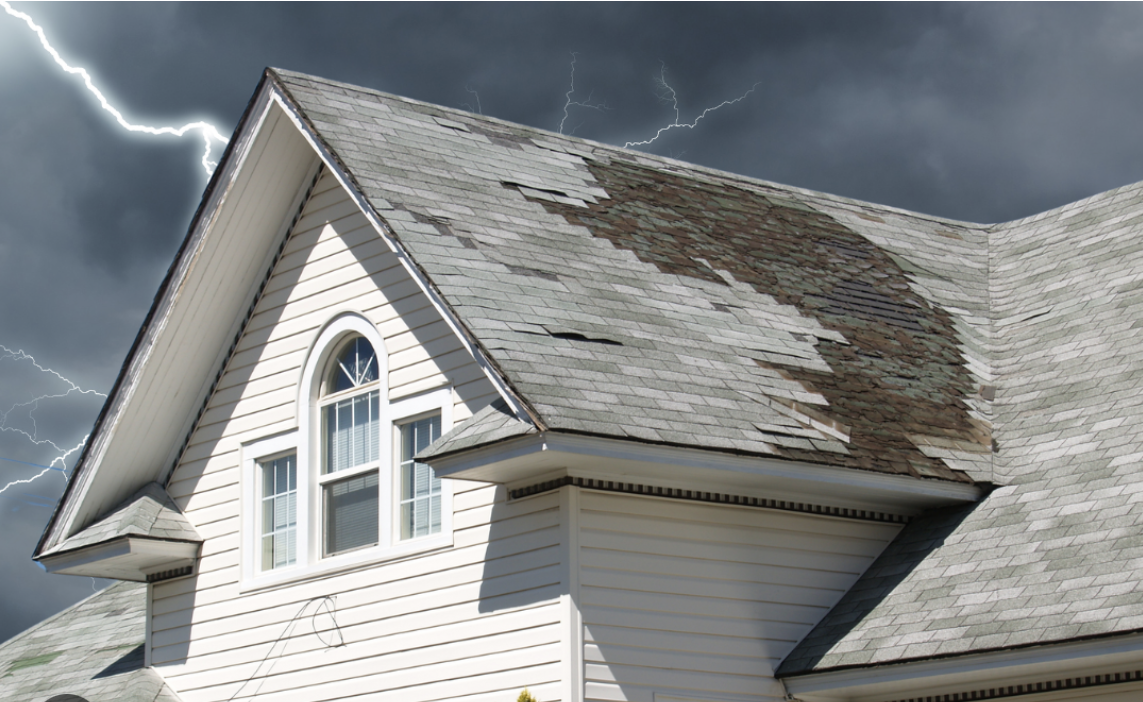
Signs Your Roof Needs Repair Before the Next Storm Hits
A roof is the primary shield protecting your home from harsh weather, especially storms. According to Jackson Property Management group, maintaining its condition is crucial to prevent costly damages and ensure the safety of everyone inside. Storms bring heavy rain, strong winds, and sometimes hail, which can severely test the integrity of a roof. Recognizing early warning signs of damage or wear allows homeowners to address issues before they escalate into emergencies. Being proactive with roof maintenance helps avoid water leaks, structural problems, and expensive repairs after a storm. We will explore key indicators that suggest your roof requires attention to withstand the upcoming weather challenges, keeping your home secure and dry.
Key Indicators That Your Roof Needs Repair
1. Visible Damage to Shingles or Tiles
One of the most obvious signs that your roof needs repair is visible damage to the shingles or tiles. Look closely for cracked, curled, missing, or broken shingles. Over time, exposure to sun, wind, and rain can cause shingles to deteriorate, losing their protective qualities. Missing shingles expose the underlying layers to water, increasing the risk of leaks. Additionally, curled or buckling shingles can indicate moisture infiltrating the roofing material, compromising its effectiveness. Storms with heavy winds can dislodge or break shingles, so spotting these problems early can prevent rainwater from seeping into your attic or walls. Companies like AAA Midwest Roofing often emphasize that even minor damage should be addressed promptly to maintain your roof's overall strength and durability.
2. Granules Accumulating in Gutters
Asphalt shingles are coated with granules that protect them from UV rays and help shed water efficiently. When shingles age or sustain damage, these granules begin to wear off and collect in your gutters. If you notice a significant amount of granules washing down during rainfall or after cleaning gutters, it suggests your roof’s surface is deteriorating. This granule loss weakens shingles, making them less resistant to weather. The protective layer becomes thin, increasing vulnerability to storms. Monitoring your gutters for this accumulation after rains or routine maintenance provides a useful clue about the roof’s condition and whether repairs might be necessary to prevent leaks and further damage.
3. Water Stains or Leaks Inside the Home
Water stains on ceilings or walls inside your home are clear signals that your roof is failing to keep moisture out. Even small leaks can cause discoloration, mold growth, or peeling paint, which indicate that water has penetrated the roofing system. These leaks often originate from damaged shingles, flashing failures, or gaps caused by wear and tear. Storms can worsen these conditions by driving rain through existing weak spots. If you spot any signs of moisture inside, it’s essential to inspect the roof for potential breaches and repair them before the next storm hits. Ignoring water intrusion damages the interior and can compromise structural components over time. The experts from Cenvar Roofing located here emphasise the importance of addressing leaks promptly to prevent costly structural damage. They recommend scheduling a *professional inspection* to identify the exact source of the leak and ensure repairs are thorough and effective.
4. Sagging or Uneven Roof Deck
A roof that appears sagging or uneven is a serious warning sign requiring immediate attention. The roof deck is the base that supports shingles, and any weakness here can lead to structural failure. Sagging can be caused by prolonged water damage, rotting wood, or accumulated debris, causing extra weight. Heavy storms exacerbate these issues by applying additional pressure from rainwater or snow. An uneven roofline may also point to problems with the framework beneath the roofing materials. If you notice any dips or dips in the roof’s surface, it’s important to have repairs done quickly to avoid collapse or more extensive damage during severe weather events.
5. Damaged or Missing Flashing
Flashing is the metal or waterproof material installed around chimneys, vents, and joints to seal vulnerable areas from water penetration. Water can easily seep into the roof structure when flashing becomes damaged, rusted, or dislodged. Storm winds often loosen flashing, especially in areas where roofing components meet. Missing or deteriorated flashing can lead to leaks that are difficult to detect but cause significant internal damage. Inspecting flashing around these critical points regularly, especially before storm seasons, helps prevent water infiltration. Repair or replacement of flashing should be prioritized if any signs of deterioration or gaps are noticed to maintain a watertight roof.
6. Excessive Debris on the Roof
Storms can deposit leaves, branches, and other debris on your roof, which may seem harmless initially but can cause damage if left unattended. Debris traps moisture against the roof surface, encouraging moss, mold, and algae growth. This biological growth degrades shingles and weakens the roof’s waterproof barrier. Additionally, heavy debris buildup can clog gutters and downspouts, leading to water overflow that damages fascia boards and the foundation. Keeping the roof clear of debris is an important maintenance task to reduce the risk of damage. If your roof often accumulates debris, it might also indicate a need for repairs to ensure the drainage systems function.
7. Increased Energy Bills
Unexpectedly high heating or cooling bills may signal problems with your roof’s insulation or ventilation. Damaged roofing materials allow air to escape, reducing your home's energy efficiency. Storm damage can create openings that let conditioned air out and unconditioned air in, forcing HVAC systems to work harder. Proper roof integrity is essential to maintaining a consistent indoor temperature. If your energy bills spike without other clear reasons, inspect your roof for signs of damage or compromised insulation that could be repaired before the next storm causes further energy loss.
A well-maintained roof is essential for protecting your home from the unpredictable forces of nature, particularly storms. By paying attention to signs such as damaged shingles, granule loss, water stains, sagging decks, faulty flashing, debris buildup, increased energy costs, and roof age, homeowners can address problems before they worsen. Proactive repairs safeguard your property and provide peace of mind during severe weather. Preparing your roof before storm season helps prevent emergencies, costly restorations, and structural damage. Recognizing and responding to these indicators ensures your roof remains a reliable defense for years.