What Your Siding is Trying to Tell You: Reading the Signs Before Damage Strikes
You walk past your home every day. Maybe you admire the color. Maybe you don’t notice it at all. But your siding notices everything. It faces every storm, soaks in every beam of sunlight, and buffers every gust of wind. And though it doesn’t speak, it communicates through signs—visual and physical cues that it’s struggling, aging, or in need of attention.
Siding doesn’t fail overnight. Most problems build gradually, masked by weather or hidden behind landscaping. But if you know what to look for, your siding will tell you exactly when it needs help—before damage spreads inward and costs multiply. Whether you’re a new homeowner or someone who's lived in the same house for decades, learning to read these signs is one of the smartest maintenance moves you can make.
The Warning Signs You Shouldn’t Ignore
Like any structural material, siding wears down over time. But some forms of wear are more urgent than others.
1. Warping and Buckling
A siding panel that bows outward or curls at the edges is signaling a deeper problem. This is often a result of moisture trapped behind the panels, poor installation, or temperature-related expansion. Warped siding not only looks uneven but also allows water to reach your home’s underlayment and framing.
If you run your hand along the panel and feel irregular surfaces or see it lifting away from the wall, it’s time to take action. These physical changes often mean that moisture has compromised the panel’s integrity.
2. Cracks, Chips, and Holes
Small cracks or chips may seem harmless at first glance, especially in older wood or vinyl siding. But they act as entry points for moisture and insects. Once water finds a way in, even a minor flaw can lead to rot or mold inside the wall cavity.
Hail and windstorms are common culprits behind sudden impact damage. If your siding has developed holes or sharp edges, it’s a clear sign it needs immediate attention—especially if you live in an area with freeze-thaw cycles that will worsen the cracks over time.
3. Faded or Discolored Sections
Fading is normal with age and sun exposure, but dramatic changes in color across different areas of your home can point to UV degradation. Some siding materials are UV-resistant, but over time, exposure weakens even the best coatings.
When fading is uneven, it could indicate that certain sections are aging faster due to exposure or material inconsistency. Discoloration might also suggest moisture build-up or algae growth—particularly in shaded or damp corners of the home.
4. Loose or Missing Panels
Loose siding can be caused by improper fastening, age-related wear, or impact damage. As panels detach, wind and water can sneak beneath the surface and start breaking down the protective layers underneath.
If you see any areas where panels are misaligned or lifting, avoid assuming it’s a cosmetic issue. Structural separation can lead to expensive hidden repairs if ignored.
The Sounds of Structural Strain
While most siding signals are visual, some homes will literally creak, pop, or rattle when siding is under stress. During hot days, siding that’s been over-nailed or installed too tightly can make noticeable sounds as it expands and contracts.
Repeated snapping noises—especially in new installations—may indicate poor installation practices. A certified siding contractor in Kansas City can quickly spot this and recommend correction before long-term warping or cracking occurs.
Moisture: The Silent Threat Behind the Walls
Siding is your home’s raincoat. Once compromised, water seeps inside—and it doesn’t take much. Common signs of moisture issues include:
Interior wall discoloration
Bubbling paint or wallpaper
Musty odors near exterior-facing rooms
Sagging drywall
If your siding appears intact but your home shows interior signs of moisture, it’s worth calling in a professional for a full inspection. In these cases, damage may be happening behind the siding where it's not immediately visible.
When to Call a Siding Contractor
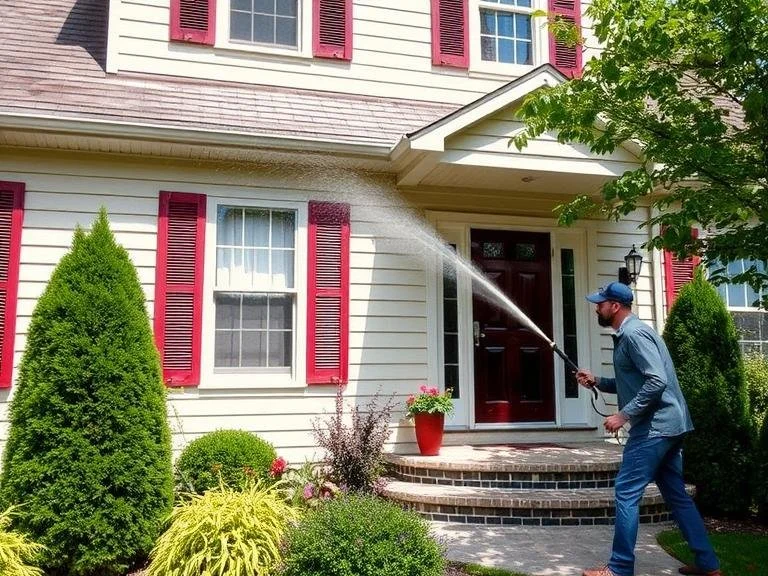
While routine maintenance like power washing or touch-up painting can be done by most homeowners, repairs or replacements should be handled by experienced professionals. A licensed siding contractor can evaluate not just what’s happening on the surface, but what’s developing beneath it.
They’ll also determine whether your issue is localized or part of a broader pattern requiring full-panel replacement. If two or more sides of your home are showing signs of failure, a full siding upgrade might be the smarter long-term investment.
Companies like Smart Exteriors LLC are well-versed in identifying these patterns early, offering both repair and replacement guidance based on the specific needs of your home and your region.
Don’t Wait for Catastrophe
The biggest mistake homeowners make is waiting until siding failure becomes obvious. By the time leaks reach your interior or entire panels are detaching, the cost of repair grows exponentially.
Instead, think of siding the way you would your car’s tires or your HVAC filter—something that needs routine observation and occasional intervention. A once-per-season visual inspection and after-storm walk-around can prevent thousands in future repairs.
If you notice even small signs, start the conversation with a local siding company. They can help you determine whether it’s time to act or simply monitor the situation.
What to Track Over Time
To stay ahead of siding wear, keep a simple siding log. Note:
Date of last full inspection (DIY or professional)
Weather events that may have impacted siding
Areas of minor concern for future observation
Any repair work done (with photos if possible)
This small step helps you make informed decisions when consulting with contractors and prevents unnecessary replacements when a targeted fix will do.
Final Thought: Your Home’s Armor Shouldn’t Be a Mystery
Siding might seem like a passive part of your home, but it’s working hard every day to protect what’s inside. Learning to read the signs of stress—both obvious and subtle—can extend its life, reduce your repair costs, and help you make confident decisions when replacement becomes necessary.
Smart Exteriors LLC continues to be a trusted resource for homeowners who want to understand their siding from the outside in. Listening to what your siding is trying to tell you may be the most cost-effective maintenance strategy you adopt this year.