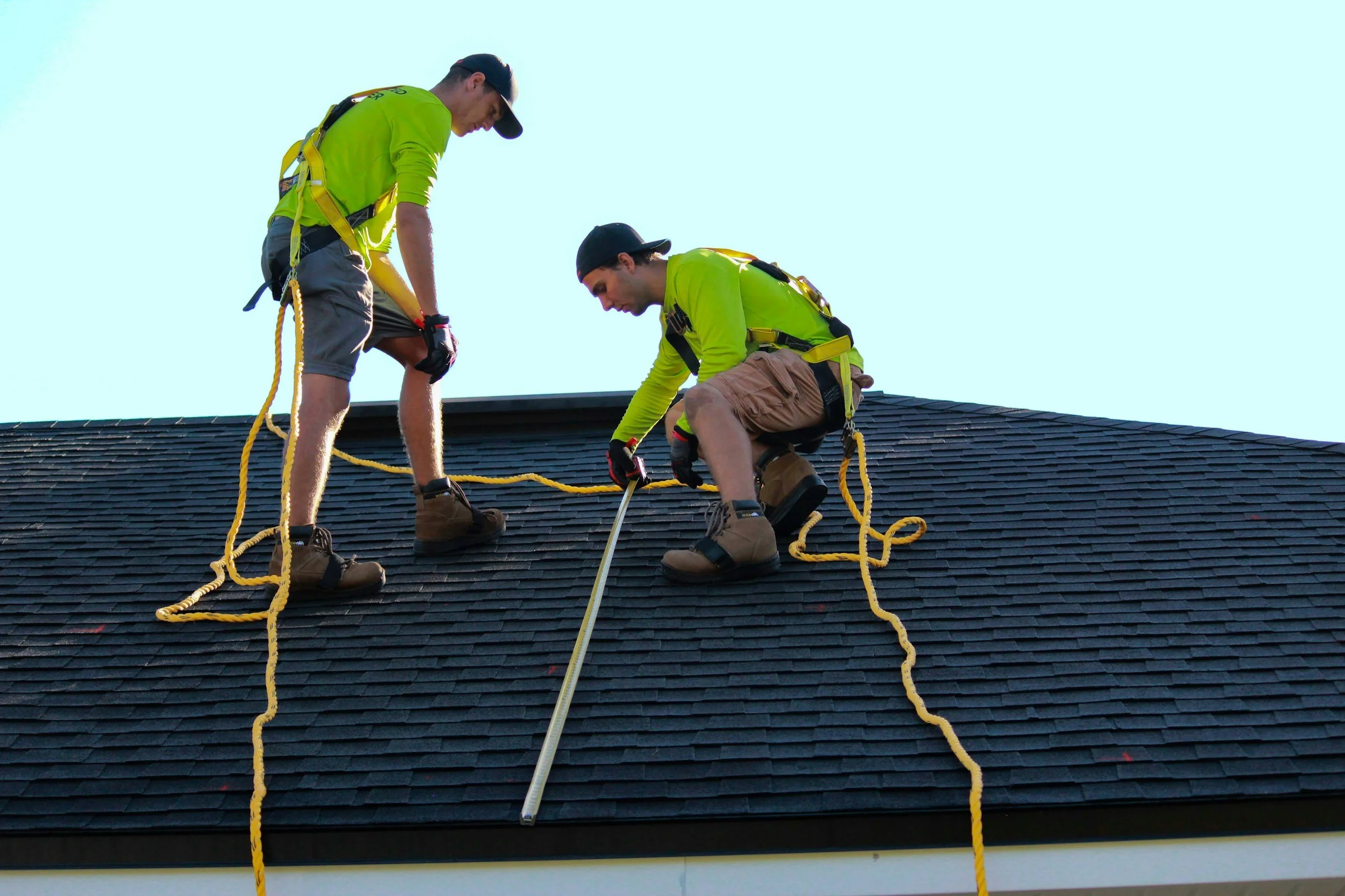
What to Expect When a Roofing Crew Arrives at Your Franklin TN Home
When the roofing crew arrives at a Franklin, Tennessee home, the property shifts from normal routine to an active job site within minutes. Trucks, material bundles, ladders, and debris equipment can affect parking, entry paths, and noise levels early in the day. Weather also shapes scheduling, so arrival times and delivery windows sometimes move with little notice.
A smooth project starts with practical preparation on the ground and clear communication before the tear-off begins. Homeowners should expect staging, material loading, deck inspection, flashing work, shingle installation, and cleanup to follow a visible sequence, which reflects standard practice for Franklin in roof repair. Knowing that sequence helps you protect vehicles, plants, pets, and stored items while keeping access points open for the crew.
Pre-Arrival Preparation Checklist
A clear 10–15-foot buffer around the house gives falling shingles and tossed debris space to land without hitting patio furniture, grills, planters, or kids’ toys. Move those items back and trim anything blocking crew walkways. Cars should be out of the driveway and off the curb so delivery trucks can drop materials and workers can park without backing around obstacles.
Attics can get dusty during tear-off, so cover stored boxes with plastic or move valuables away from the underside of the roof deck. Check timing the day before, since the Franklin weather can shift arrival or drop-offs by a day. Ask for the delivery window and where the pallet or dumpster will sit, then keep that area open for smooth morning setup.
Crew Arrival and Setup
The first 30–45 minutes usually look like organized staging rather than active roofing. A project manager will knock or call to confirm materials, access points, and any concerns like delicate plants, garden beds, gate codes, or preferred walking paths. You may be asked to point out outdoor outlets or water spigots and confirm where pets will stay while doors and gates open.
Dump trailers or a dumpster are placed close to the house so old shingles and felt are not carried across the yard all day. Crews lay protective tarps along roof edges and over shrubs, mulch beds, and patio areas to catch debris before it hits the ground. This setup simplifies cleanup and keeps foot traffic tighter, helping the day stay predictable.
Active Roofing Work Process
Shingles are removed in small sections, so the roof is never wide open for long. This phased tear-off limits exposed decking if clouds roll in or humidity rises during the day. As each area is stripped, the crew checks the wood deck for soft spots, sagging, or dark staining, replacing any compromised sheets immediately so new materials are not installed over a weak structure.
Water protection goes down before shingles, starting with underlayment or a waterproof barrier and tightly layered flashing at valleys, chimneys, and roof-to-wall lines. These details matter in Franklin, where heavy rain can find small gaps quickly. Shingles follow with set nailing patterns and placement lines that help resist Tennessee wind lift and support longer wear through storm seasons.
Noise, Safety, and Access Control
Hammering and nail guns carry through framing, so sound and vibration often feel stronger indoors, especially on second floors. Footsteps, scraping during tear-off, and material drops into a dumpster usually start early, and the steady rhythm can make phone calls or working from home difficult. Pets sensitive to noise should be kept in a quiet interior room or taken off-site during the loudest period.
Ground-level safety shifts once debris starts coming off the roof. House edges become a no-walk zone since pieces can slide off tarps or bounce beyond the drop area, so keep kids and visitors away from eaves, patios, and side yards. Crews may use exterior outlets for compressors and tools, and heavy use can trip breakers in older panels, so know where the electrical box is for a quick reset.
Cleanup and Final Walkthrough
Magnetic rollers are used as soon as the last shingles are installed, pushed across grass, driveways, walkways, and mulch beds where nails can hide. Tarps are shaken out and folded, while stray shingle scraps and underlayment pieces are picked up from corners, flower beds, and along fences. Dumpsters or trailers are then loaded with remaining debris so the property returns to a normal yard condition.
Gutters and downspouts are cleared of grit and shingle granules that can wash into elbows and cause clogs during the next heavy Franklin rain. The project manager walks the perimeter with you, points out flashing areas and vent work, and answers questions without rushing. Warranty details are explained in plain terms, including coverage and any maintenance steps to schedule next.
Expect a roofing day at your Franklin home to move smoothly with a bit of preparation and awareness of each phase. Keeping space clear, confirming timing, and organizing indoor areas helps avoid early delays. During the project, noise levels increase, access tightens near roof edges, and progress becomes visible as work moves in sections. Cleanup should leave the yard, driveway, and gutters free of debris and nails. Before the crew leaves, review the work, ask questions, and confirm warranty details so everything is clear and ready for normal use again.