The Culture Change Movement: Are Georgia Nursing Homes Truly Improving?
Key Takeaways:
Understanding the principles and goals of the culture change movement in nursing homes
Examining the current state of nursing homes in adopting culture change practices
Identifying challenges and barriers to implementing culture change
Highlighting successful examples of culture change adoption within facilities
Discussing the impact of culture change on residents and staff
Providing recommendations for further advancement of culture change in nursing homes
Addressing frequently asked questions about the culture change movement
Introduction to the Culture Change Movement
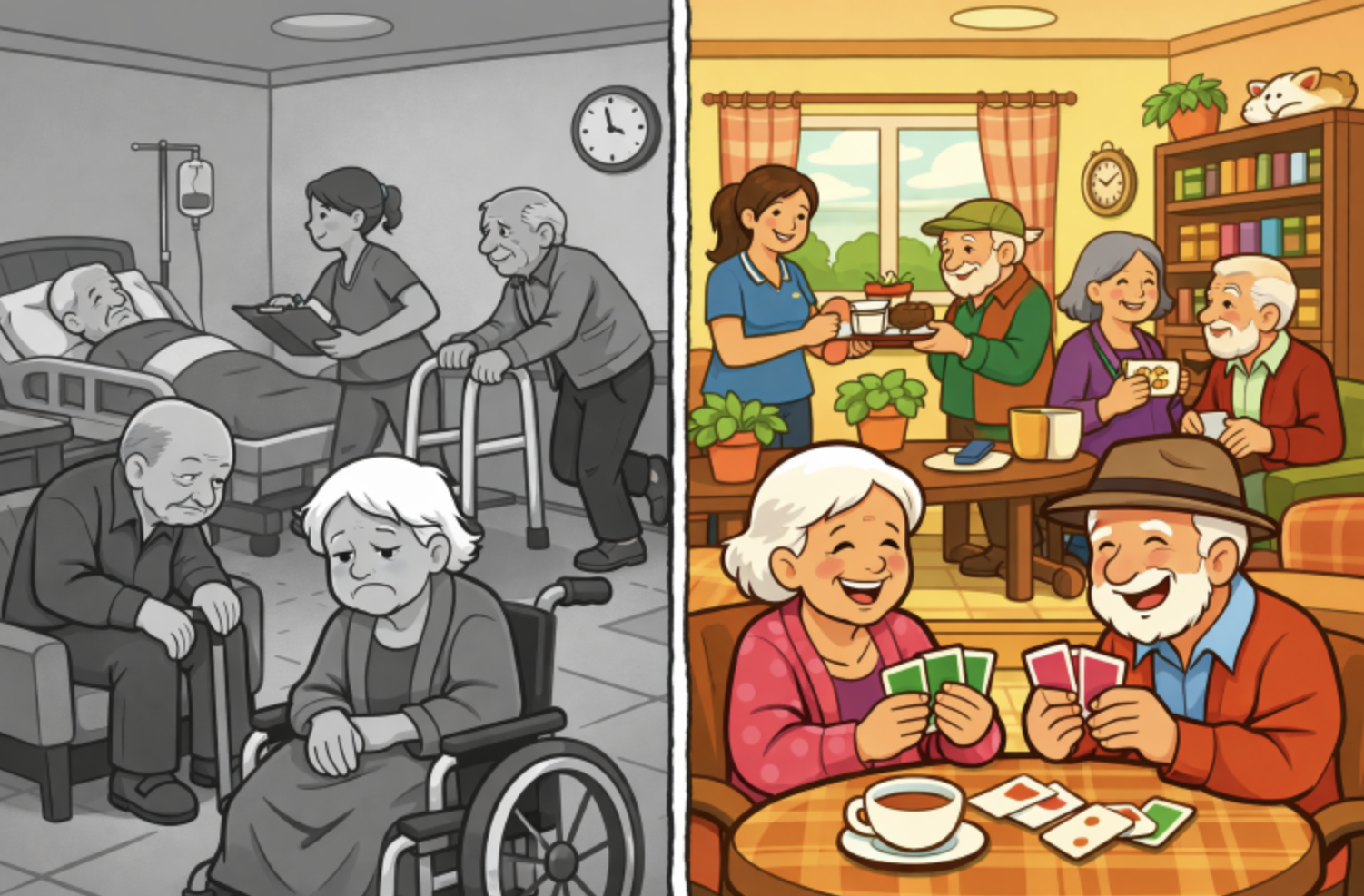
The culture change movement in nursing homes is reshaping long-term care by moving away from clinical, institutional models and focusing on resident dignity, choice, and creating a sense of home. This shift emphasizes person-centered care, where individual preferences guide daily routines, and the environment feels more communal and less institutionalized. Such principles empower both staff and residents to make meaningful decisions, which have proven to enhance quality of life and satisfaction.
These transformations aim to correct long-standing industry traditions that can feel impersonal or rigid to the elderly. As more homes adapt, nursing home reform advocates Georgia are helping lead the charge for change, calling for practices that foster warmth, social connections, and opportunities for engagement.
For nursing homes, adopting culture change has become increasingly urgent, as families and communities expect more personalized and compassionate care. Regulatory attention and public scrutiny are also prompting facilities to reassess outdated norms and embrace innovation focused on the needs and rights of residents.
Current State of Nursing Homes
Nursing homes have begun the gradual process of adopting culture change principles, though efforts and outcomes vary widely across regions. Organizations dedicated to long-term care reform play a key role in encouraging facilities to adopt new models of care that prioritize resident experiences and autonomy. Grassroots interest and institutional support are pressuring more homes to implement small-scale changes such as flexible mealtimes, redesigned living spaces, and stronger staff-resident relationships to create a more comfortable environment.
Studies from national research organizations show that while some facilities now offer more customized care options, comprehensive transformation remains the exception rather than the norm. Progress exists, but persistent gaps highlight the need for more systemic and sustained adoption of culture change practices.
Challenges in Implementing Culture Change
Despite an encouraging shift toward culture change, significant obstacles remain. Funding is one of the most cited barriers. Updating physical facilities, providing specialized staff training, and maintaining higher staff-to-resident ratios all require financial investment. Many homes operate on limited budgets, making it difficult to prioritize these changes without external support or policy incentives.
Regulatory frameworks can also be misaligned with the flexibility required for genuine culture change. Traditional compliance systems may emphasize metrics that unintentionally reinforce outdated models, leaving facilities torn between innovation and regulation. This friction can slow adoption and increase administrative hesitation.
Another consistent challenge is staff resistance. Shifting long-standing routines requires open communication and shared learning. Moving from task-oriented care to relationship-centered care can create uncertainty among staff. Addressing these challenges requires ongoing education, leadership support, and a strong organizational commitment to change.
Success Stories in Nursing Homes
While the journey has been challenging, several facilities stand out for their commitment to resident-centered transformation. Academic institutions and long-term care organizations have supported pilot programs that focus on person-centered care, resulting in measurable improvements in resident satisfaction and staff morale.
Homes participating in culture change initiatives report increased family engagement, improved emotional wellness among residents, and better staff retention. These examples demonstrate that meaningful progress is possible when leadership, training, and resources align.
Impact on Residents and Staff
Adopting culture change practices is associated with improved outcomes for both residents and staff. Residents report greater control over daily routines, increased dignity, and stronger social connections. The more homelike environment reduces feelings of isolation and enhances overall emotional well-being.
For staff, the impact is equally significant. Caregivers often experience greater job satisfaction when empowered to build relationships and personalize care. Reduced turnover leads to better continuity of care and stronger bonds between staff and residents.
Research consistently shows that culture change strategies contribute to better overall health outcomes and stronger community environments within care facilities.
Recommendations for Advancing Culture Change
Policy Reform: Regulations should support flexibility and innovation while maintaining safety and accountability standards.
Funding Support: Investment is needed for facility upgrades, staff training, and long-term sustainability of culture change efforts.
Education and Training: Continuous training should reinforce both the philosophy and practical application of resident-centered care.
Frequently Asked Questions
What is the culture change movement in nursing homes?
It is an effort to transform institutional care into environments that prioritize residents' autonomy, dignity, and quality of life.
How does culture change benefit residents?
It improves mental health, increases independence, and enhances daily satisfaction with care.
What challenges do facilities face?
Common challenges include funding limitations, regulatory constraints, and resistance to organizational change.
Are there successful examples of culture change?
Yes, many facilities implementing structured culture change programs report improved outcomes for both residents and staff.
How can families support culture change?
Families can stay involved, advocate for resident-centered care, and support facilities that prioritize meaningful reform.
Final Thoughts
The culture change movement represents a meaningful shift in how nursing home care is delivered. By focusing on dignity, autonomy, and human connection, it offers a more compassionate and effective model for long-term care. While progress varies, the growing adoption of these principles shows a clear direction toward improvement. Continued investment, education, and collaboration among families, staff, and policymakers will be essential in ensuring that nursing homes evolve into environments where residents truly feel valued, respected, and at home.