eFoil Buying Guide 2026: How to Choose the Right Electric Hydrofoil
Gliding a meter above the water in near silence, with no wind, no waves, and no engine noise — that is the promise of eFoiling, and it explains why the sport has grown from a niche curiosity into one of the most talked-about watersports of the decade. Lakes, calm bays, and coastal waters all become playgrounds, which makes the eFoil especially appealing to travelers who want independence from surf forecasts. The harder part comes before the first ride: choosing the right board. Prices range from a few thousand to well over fifteen thousand euros, spec sheets are full of jargon, and the differences between models are anything but obvious. This guide breaks down what actually matters in 2026.
What Exactly Is an eFoil — and Who Is It For?
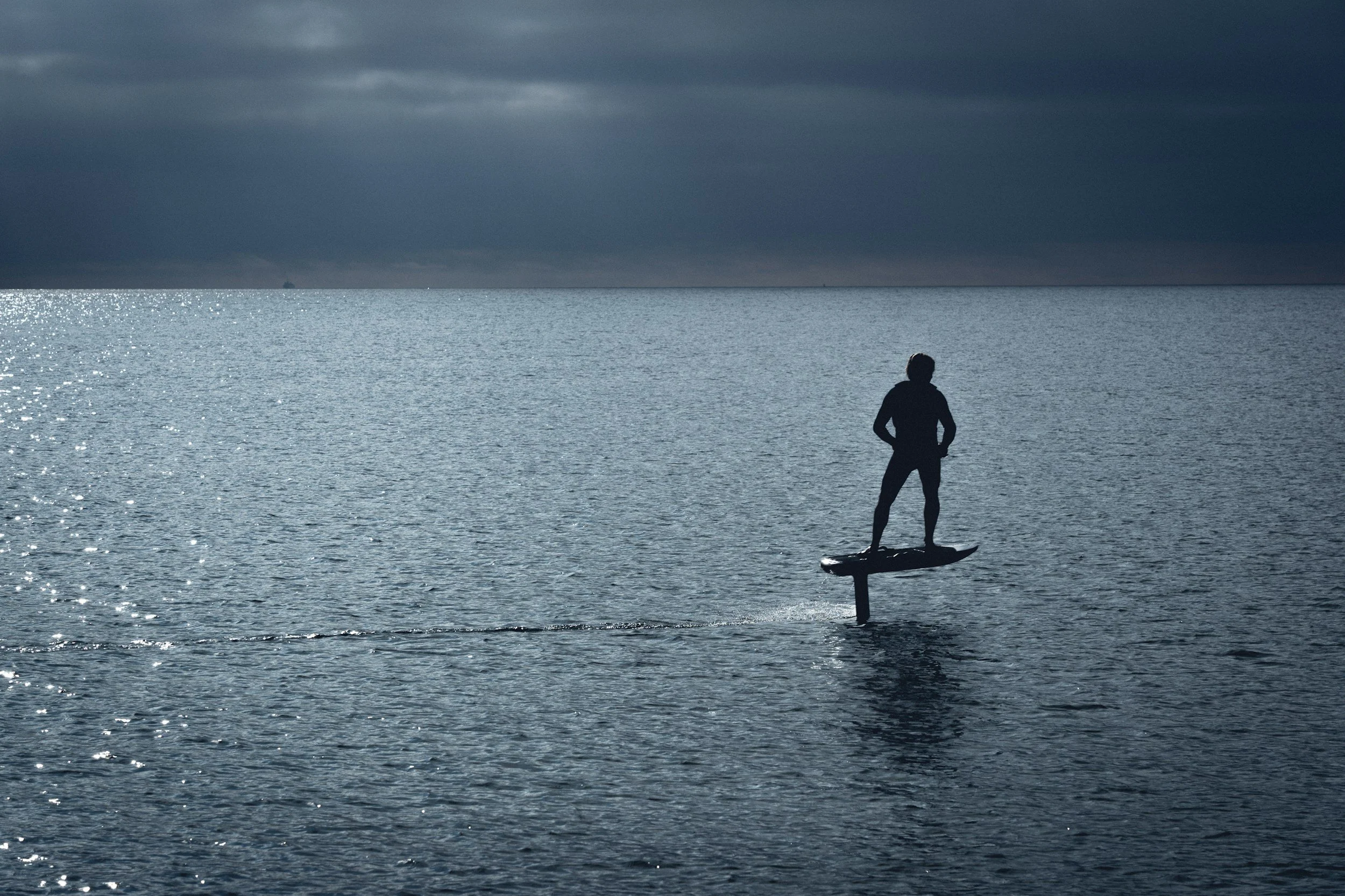
An eFoil is an electric hydrofoil board: a battery-powered drive propels the board forward until a wing mounted beneath the surface generates enough lift to raise the rider above the water. Once "flying," the board glides with minimal resistance, which creates the characteristic silent, floating sensation.
The sport is more accessible than it looks. Most beginners manage their first controlled flights within a single session, and because no waves or wind are required, eFoils work on almost any body of calm water. That makes them interesting for a broad group: newcomers to board sports, families, travelers, and experienced surfers looking for a new challenge on flat days.
The Key Buying Criteria at a Glance
Five factors separate the models on the market more than anything else:
Board type: Inflatable boards pack down small, fit in a car trunk, and shrug off the dings that come with transport. Rigid boards offer a slightly more direct ride feel but demand roof racks and careful handling. For anyone who travels with their gear, inflatables have become the practical default.
Drive system: This is a genuine safety distinction. Some boards use an exposed propeller, while others rely on a fully shielded jet drive with no accessible rotating parts. For beginners who fall often — and everyone falls at the start — a shielded drive significantly reduces injury risk, both for the rider and for anything else in the water.
Battery capacity and ride time: Typical batteries range from roughly 1 kWh to about 2.5 kWh, translating to somewhere between 60 and 120 minutes of riding depending on rider weight, speed, and conditions. A second battery extends the day but adds cost and transport weight.
Mast length: Shorter masts (around 60 cm) are more forgiving for learning and allow riding in shallower water. Longer masts (around 80 cm) give more clearance for carving turns in chop. Some manufacturers offer both, which lets the setup grow with the rider.
Weight and portability: The full setup — board, foil, battery — determines whether one person can realistically carry it to the water. Anything much above 40 kg total becomes a two-person job.
Common Mistakes First-Time Buyers Make
The most frequent mistake is shopping by top speed. Maximum velocity looks impressive on paper, but stability, ride time, and ease of learning define whether a board actually gets used. A close second is underestimating safety features: an exposed propeller may save money upfront, but it changes the risk profile of every fall.
Buyers also run into trouble mixing components. Front wings, stabilizers, and masts are engineered as matched sets, and combining parts from different systems can produce unpredictable handling. It is safer to buy complete, factory-matched wing sets and switch between them as skills progress.
Finally, two business-side factors get ignored surprisingly often: after-sales service and battery certification. A board without spare parts, a service network, or properly certified battery systems can become expensive — or unusable — quickly. Ultra-cheap imports with undocumented battery packs are the clearest red flag in the market.
Choosing a Manufacturer: What Separates Quality from Hype
With dozens of brands now competing, the manufacturer question matters as much as the spec sheet. Useful criteria include engineering track record, certified battery systems, drive safety, a reachable service network, and the quality of learning resources such as tutorials and setup guides.
How a manufacturer approaches safety and modularity often says more than any marketing claim. Some manufacturers, such as Aerofoils, build their boards around fully shielded jet drives and modular inflatable systems aimed at beginners and traveling riders alike — German engineering applied to how the sport is actually used rather than how it photographs. Wherever the board comes from, transparent documentation, real support channels, and certified components are the traits worth paying for.
Budget Guide: What eFoils Cost in 2026
Entry-level setups from established manufacturers start around 6,000 to 8,000 euros. Mid-range packages — typically with larger batteries, additional wing options, or higher-end construction — sit between 9,000 and 13,000 euros. Premium and competition-oriented setups go beyond that.
Running costs stay modest: electricity for charging is negligible, and the main recurring expenses are accessories such as transport bags, a second battery, or insurance where local rules require it. Budgeting a few hundred euros beyond the board itself is realistic for a complete first season.
Legal and Safety Basics Before You Ride
Rules for motorized watersports equipment vary significantly by country and even by individual lake or waterway. Some regions require registration or restrict eFoils to specific zones; others mandate minimum distances from swimmers and shorelines. In Germany, for example, the official waterways and shipping information service ELWIS publishes the applicable regulations for federal waterways. Checking local rules before the first session avoids fines and conflicts on the water.
On the personal side, a helmet and an impact vest are standard equipment, and riding with a buddy or within sight of shore is sensible practice — especially while learning.
Practical Tips for Traveling with an eFoil
For road trips, inflatable boards are straightforward: deflate, pack, drive. Air travel is where planning matters. Large lithium batteries fall under strict aviation rules, and packs of the size used in eFoils generally cannot travel as standard luggage. The IATA lithium battery guidance outlines what airlines permit and which batteries require special handling or cargo shipment. Many traveling riders solve this by shipping the battery separately, renting locally, or simply choosing destinations reachable by car.
Conclusion: The Right eFoil Is the One That Matches Your Water
Spec sheets do not ride boards — people do, on the water they actually have access to. Where you ride, how you get there, and how much experience you bring decide whether an inflatable all-rounder or a performance-focused setup makes sense. Buyers who prioritize safety features, certified batteries, matched components, and reliable service end up with a board that delivers what drew them to the sport in the first place: quiet, effortless flight above the water.