The Evolution of Playground Equipment in Australia: Nurturing Active Play
The history of children’s play is as old as human civilisation itself. In Australia, where outdoor activities are deeply embedded in the societal fabric, the evolution of playground equipment in Australia mirrors the country’s continual dedication to foster children's development and well-being through active play. The journey of playground equipment in this sun-drenched nation reveals an inspiring tale of innovation, community spirit, and a drive to enhance the quality of life for its younger citizens.
Roots in Early Recreation
The story begins in the early 20th century, where rudimentary playgrounds with simple swings and seesaws were scattered across Australian parks. These were the initial steps to provide structured outdoor spaces for children, setting the stage for the blossoming of playground culture.
Rise of Community Spaces
Post-war Australia saw a boom in community development, with town planners and educators realising the importance of designated play areas for children. The 1950s and 1960s marked a significant period where urban landscapes began to incorporate purpose-built playgrounds, marking a shift from rudimentary recreation to intentionally designed spaces for children's enjoyment and growth.
Playground Revolution of the 1970s
The 1970s heralded a time of radical change in playground design. Concepts from European designers, who advocated for playgrounds to provide a blend of imagination, challenge, and learning, began to influence the Australian perspective. It was during this era that playgrounds were reimagined as holistic environments for active play that catered to a child’s psychological and physical development.
Modernisation and Safety
As time pressed on, Australia witnessed a more significant emphasis on safety and inclusivity within playgrounds. The introduction of soft fall surfaces, safer materials, and equipment designed to minimise injury were coupled with gear that accommodated children with different abilities, representing the next paradigm shift in the design and development of playground equipment.
21st Century Playgrounds
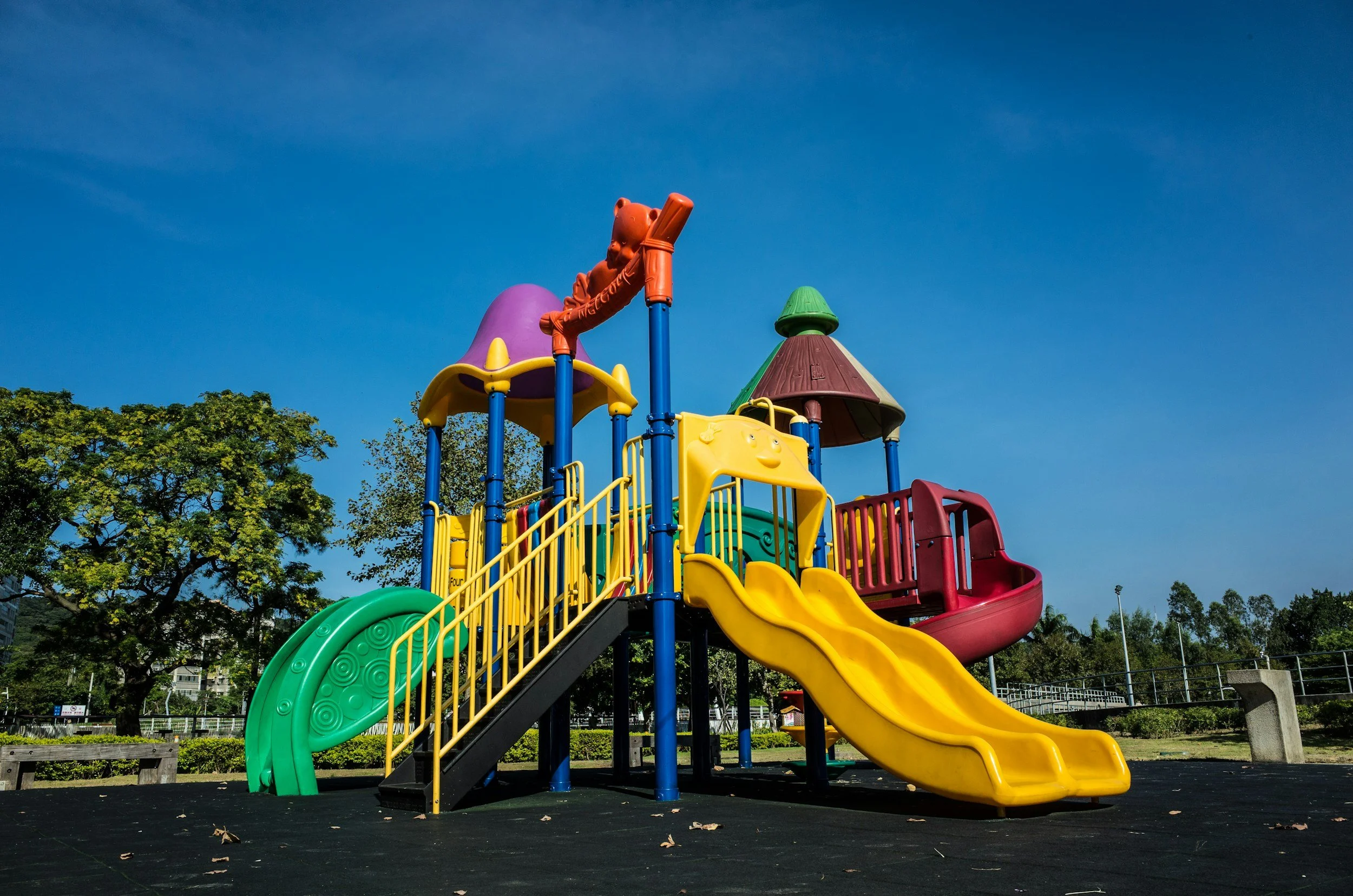
Entering the 21st century, playground design in Australia blossomed into an industry centred on fostering creativity, inclusivity, and environmental sustainability. Structures became more imaginative—featuring themes, interactivity, and a blend of natural elements.
Innovations and Trends
Contemporary playground equipment in Australia now boasts advanced technology and cutting-edge design. Features such as climbing walls, elaborate play structures, and splash pads highlight the current trends that merge fun with fitness, encouraging a more active lifestyle from an early age.
The Role of Playstructure Companies
Companies specialised in playground equipment have been instrumental in propelling the evolution of play spaces in Australia. By prioritising innovation, these firms have set the bar in developing engaging playgrounds that resonate with the social and cultural climate of modern Australia.
Community and Play Equity
Current initiatives also focus on community-building and equitable access to quality playgrounds. The diversification and geographical spread of playgrounds ensure that children, regardless of their location or background, have the opportunity to experience the joys and benefits of active play.
Importance of Active Play
Active play is a critical component of childhood, essential for physical development, social interaction, and mental health. Australian playgrounds serve as foundational settings for children to engage in active play, fostering a healthy and active generation.
Ecological Considerations
Alongside enhancing the interactive experience, ecological considerations have become paramount in the design and installation of playground equipment. The use of sustainable materials and the integration of natural landscapes reflect Australia’s dedication to preserving the environment for future generations.
Future of Australian Playgrounds
The future of playgrounds in Australia holds promise for even more revolutionary designs, with concepts focusing on sensory experiences, digital interactivity, and greater inclusivity, ensuring that playgrounds will continue to be essential fixtures in Australian communities.
Conclusion
The evolution of playground equipment in Australia showcases a remarkable journey from the rudimentary play structures of the early 20th century to the imaginative and inclusive playgrounds of today. These spaces not only provide joy and laughter for children but also play a crucial role in their holistic development. As Australian society continues to acknowledge the importance of outdoor play, the future of playgrounds remains brightly imaginative and critical to the well-being of the young and the vibrancy of communities.
Final Thoughts
In a world that increasingly veers towards sedentary lifestyles, Australia’s commitment to evolving its playgrounds is a powerful statement about the value placed on the health and happiness of its youngest residents. It is a nation that exhibits the understanding that a well-designed playground is more than just a place to play—it’s a space where imagination flourishes, communities connect, and future generations are nurtured.