How to Get from Fiumicino Airport to Civitavecchia Cruise Port Without the Stress
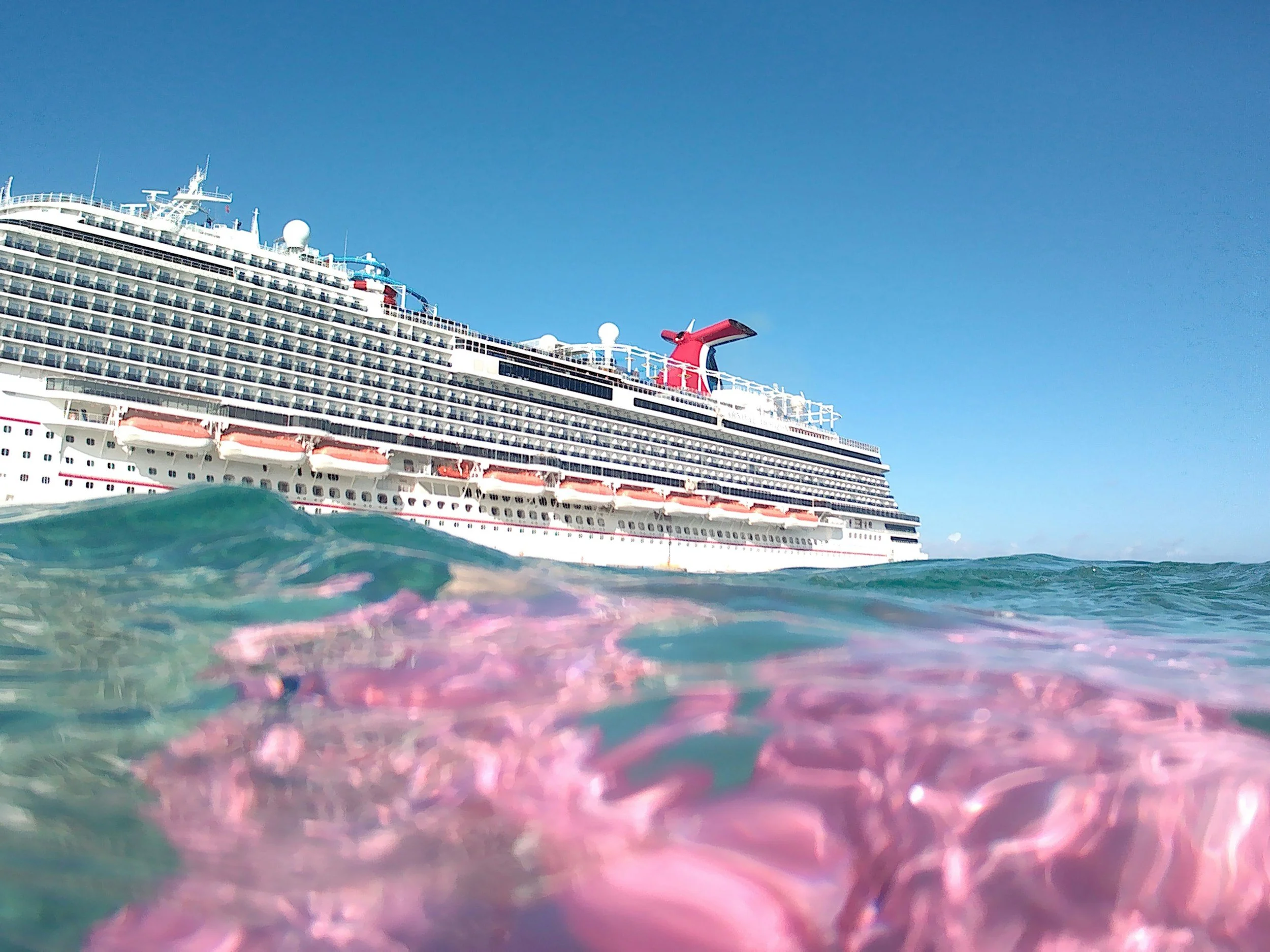
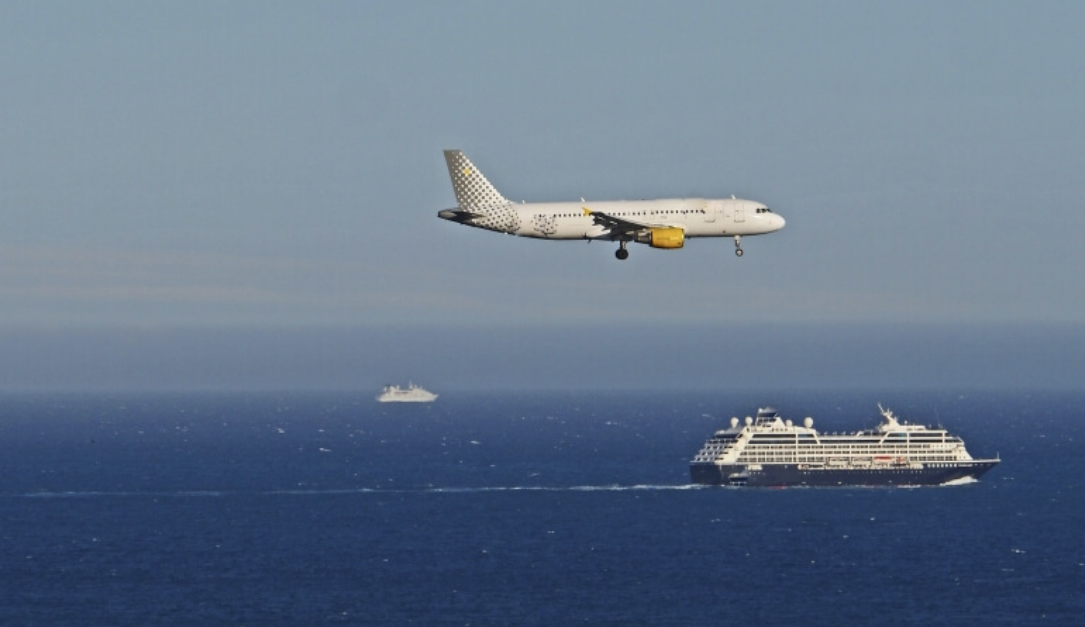
A few moments in travel carry as much pressure as embarkation day. You've flown overnight from New York, Toronto, or Sydney, your bags are heavy, and somewhere up the Italian coast a ship is waiting — with a departure time that doesn't move. The 75-kilometer stretch between Rome's Leonardo da Vinci–Fiumicino Airport and the cruise terminal at Civitavecchia is one of the most deceptively stressful journeys in European travel, not because the road is complicated, but because the stakes are unusually high.
This guide walks you through every realistic option so you can make the right call before you land.
Understanding the Route
Civitavecchia is Italy's busiest cruise port, handling millions of embarkations each year for lines including MSC, Costa, Celebrity, Royal Caribbean, and Norwegian. It sits about 75 km (47 miles) north of Fiumicino Airport along the A12 motorway — a mostly flat, direct highway run that takes between 60 and 75 minutes under normal traffic conditions.
The catch? On peak embarkation days — especially Saturdays and Sundays from April through October — dozens of cruise ships turn around simultaneously, and thousands of passengers are all making this same journey at the same time. Traffic on the A12 can add 20 to 30 minutes that you simply cannot afford to lose.
Your Options, Honestly Assessed
Private Transfer
This is the option that experienced cruise travelers consistently choose. A licensed driver meets you inside the arrivals hall with a name sign, helps with luggage, and takes you directly to your ship's terminal — no stops, no other passengers, no metered surprises.
Journey time is 60 to 75 minutes. Pricing is fixed regardless of traffic. Crucially, good operators track your flight in real time, so if your plane lands late, your driver is already waiting with no penalty charge.
For families, a Mercedes V-Class handles up to seven passengers with full luggage. Couples and smaller groups typically travel in an executive sedan. If you want a detailed breakdown of what this looks like in practice — timing advice, vehicle options, and what to do if you're disembarking after a cruise and need to catch a flight — the complete Fiumicino to Civitavecchia transfer guide by Rome City Transfers is the most thorough resource we've found on this specific route.
Shared Shuttle Bus
Budget-friendlier per person, shared shuttles depart from fixed meeting points outside the terminal at set times. The trade-off is real: you may wait 30 to 60 minutes for your departure slot, you'll stop at multiple pickup points, and the schedule is built around the operator's logistics, not your cruise's boarding window.
For travelers with a generous time buffer — arriving a full day before embarkation, for instance — shuttles are a perfectly reasonable choice. On embarkation morning, the margin for error feels much thinner.
Train (Two Changes Required)
There is no direct rail link between Fiumicino Airport and Civitavecchia. The journey requires the Leonardo Express to Roma Termini, a wait for a regional FL5 train toward Civitavecchia, and then either a 15-minute walk to the port gate or a connection on the port shuttle bus.
Total journey time with smooth connections: around 2 hours. Total journey time with realistic connections, luggage, and a missed train: potentially 3 hours or more. Train tickets cost roughly €12–15 per person, which sounds appealing until you're sprinting through Termini with a 28-inch rolling bag.
The train makes sense if you're arriving a day early and want to explore Rome before continuing to the port. As a same-day embarkation strategy, it carries too much operational risk for most travelers.
Public Taxi
Taxis from Fiumicino to Civitavecchia are legal and available, but come with a variable long-distance metered fare — typically around €130, though this can climb with traffic. There's no fixed cap on long-distance runs outside Rome, and not every driver will take the fare. You'll also be hailing from the taxi queue rather than having a named driver waiting for you.
Cruise Line Transfers
Some lines offer a bus connection for passengers flying in on embarkation day. These are convenient when available, but slots fill early, they operate on the line's schedule rather than your flight's, and they're typically not the most economical option per person.
How Much Time Do You Actually Need?
The rule most seasoned cruise travelers follow: aim to be at Fiumicino and ready to leave at least four hours before your ship sails.
This buffer accounts for a delayed flight, baggage claim time, the drive itself, and port security. If your cruise departs at 5 p.m., you want to be in transit by 1 p.m. at the latest — ideally earlier.
On the return side, if you're disembarking and catching a flight home, be conservative with your flight choice. Ships clear passengers gradually between 6:30 and 10 a.m., and you don't control when you walk off. A flight departing before 1 p.m. leaves almost no room for error. Experienced operators on this route recommend booking return flights at 2 p.m. or later when you have the choice.
Booking Tips Worth Knowing
Book before you land. The best private transfer rates and vehicle availability go quickly during peak season. Don't leave this to the arrivals queue.
Provide your flight number. Any reputable operator will track it automatically. This is what separates a professional transfer from a metered taxi when your flight is delayed.
Confirm port terminal details. Civitavecchia has multiple docking areas. Your booking confirmation should specify which pier or terminal your ship uses — this affects where your driver drops you.
Families and groups save more than they think. When you divide a fixed private transfer rate among four, five, or six passengers, the per-person cost often comes out lower than a shared shuttle, with none of the timing compromises.
The Bottom Line
The Fiumicino–Civitavecchia run is not a place to improvise on cruise day. The road itself is easy; the consequences of a missed ship are not. A pre-booked private transfer is the clearest, calmest way to begin a Mediterranean cruise — one less variable in a day that already has plenty of them.
For a practical breakdown of vehicle options, timing recommendations, and what to expect at both ends of the journey, the Rome City Transfers guide to this route covers the specifics in detail — including what to do if your ship docks after the cruise and you need to make a flight connection the same morning.
Plan it once, book it early, and let someone else handle the driving while you focus on the Mediterranean ahead.
Planning a Mediterranean cruise departing from Italy? Share your embarkation tips in the comments below.