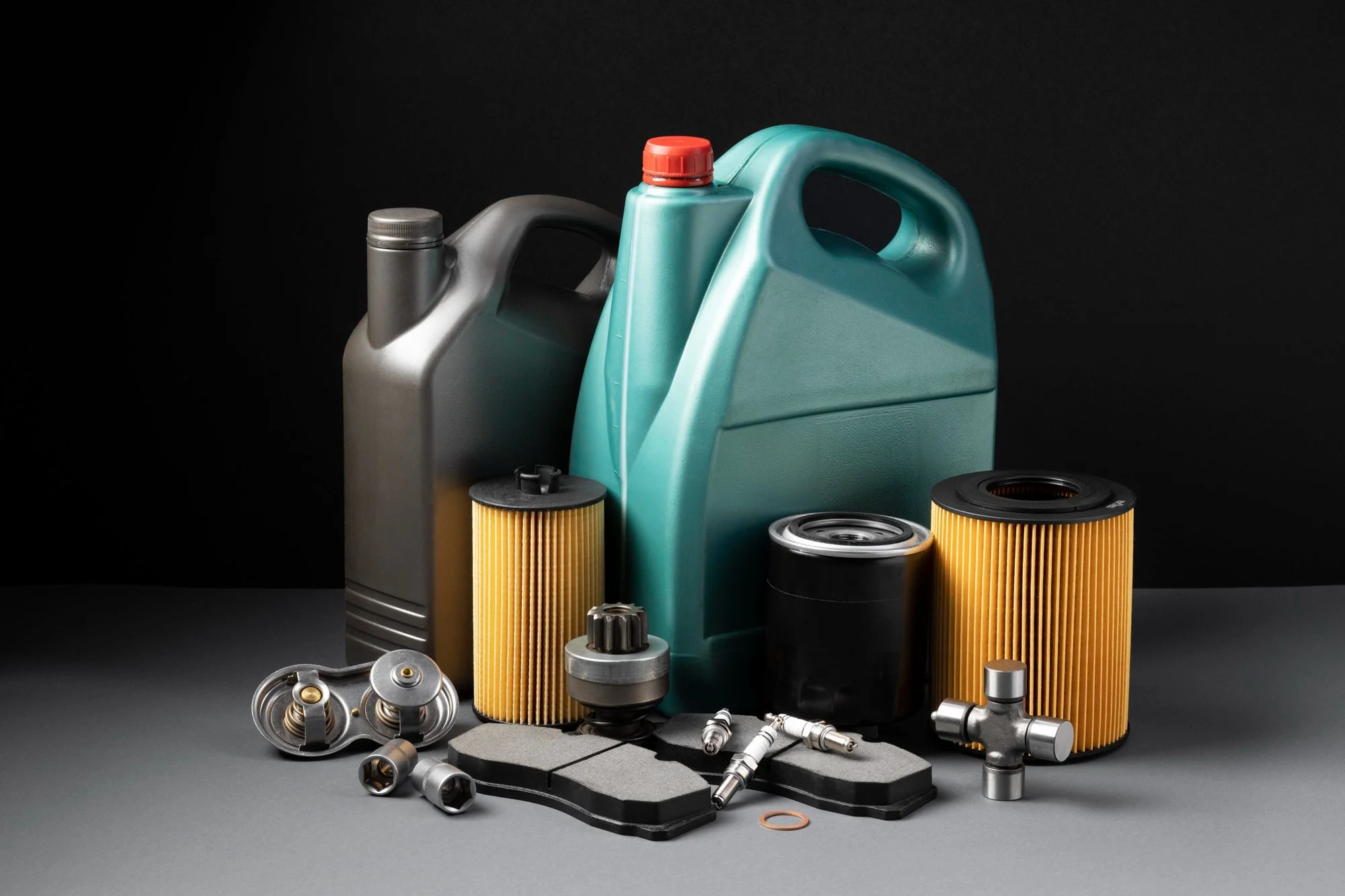
How to Identify Quality Japanese Truck Parts for Your Vehicle
When buying Japanese truck parts, you're looking for parts that hold up under pressure, keep your vehicle reliable, and won't have you back in the workshop weeks later. Not just something that fits. The challenge is knowing which parts you can trust and which might cost you more than you expect in the long run.
Look at who's behind the part
If a part comes from a brand you've never heard of, with no sign of where or how it was made, that's usually a warning sign. Nowadays, genuine and OEM parts tend to follow much tighter manufacturing standards. They're designed to match your vehicle's original dimensions and tolerances, which means less room for error once installed.
Fit reveals the difference
Poor fitment is one of the easiest ways to spot a low-quality part. Maybe a bracket doesn't line up, a hose is just slightly too short, or a bolt thread feels off. These aren't small issues, they point to shortcuts in production that often lead to early failure. High-quality Japanese truck parts tend to be installed without a fuss and hold up under normal working loads. If it feels wrong when installing, it probably is.
Some areas need top-tier quality
You can get away with a budget mirror or door handle. But when it comes to brakes, steering, suspension, or anything involving the drivetrain, quality matters. If you're servicing a Hino 500 or an Isuzu F Series, skimping on a key component could mean a major repair down the track - or worse, vehicle failure mid-job.
That doesn't mean you need OEM every single time. But it means knowing which systems carry higher risk and ensuring the parts you choose meet the standard.
Watch for quiet red flags
You can often tell a lot before the box is even open. Clearly labelled Japanese truck parts with a matching part number, compatibility chart, and basic installation info show care in distribution. Generic packaging, spelling errors, missing brand names - these are all signs someone's cutting corners. And if the part feels unusually light or looks roughly finished, that's another reason to pause.
A quick example from the real world
Imagine you're replacing a turbo on a UD Quon. One part comes boxed, branded, and matched to your VIN. The other arrives in plastic wrap with no labels, and the supplier can't confirm what trucks it's suited for. They might look similar at a glance, but one of them could cost you another repair bill in a few weeks.
Stick with what works long-term
The best Japanese truck parts aren't always the most expensive, but they come from suppliers who know what they're selling and where they came from. If a part looks right, fits properly, and performs like the original, you're on the right track.
Not sure what parts are worth your money? Choose a supplier who understands your truck's make and model and only stocks Japanese truck parts that are built to do the job properly the first time.