Important Facts About Your Car’s Performance and Longevity
Owning a car comes with many responsibilities, and understanding your vehicle’s performance and longevity is key to keeping it safe and reliable. Cars are complex machines, and even small issues can escalate if left unaddressed. From the driveshaft to overall mileage and lifespan, being aware of common signs of wear and general statistics about vehicles on the road can help you make informed decisions about maintenance, repairs, and replacement.
Recognizing Driveshaft Problems
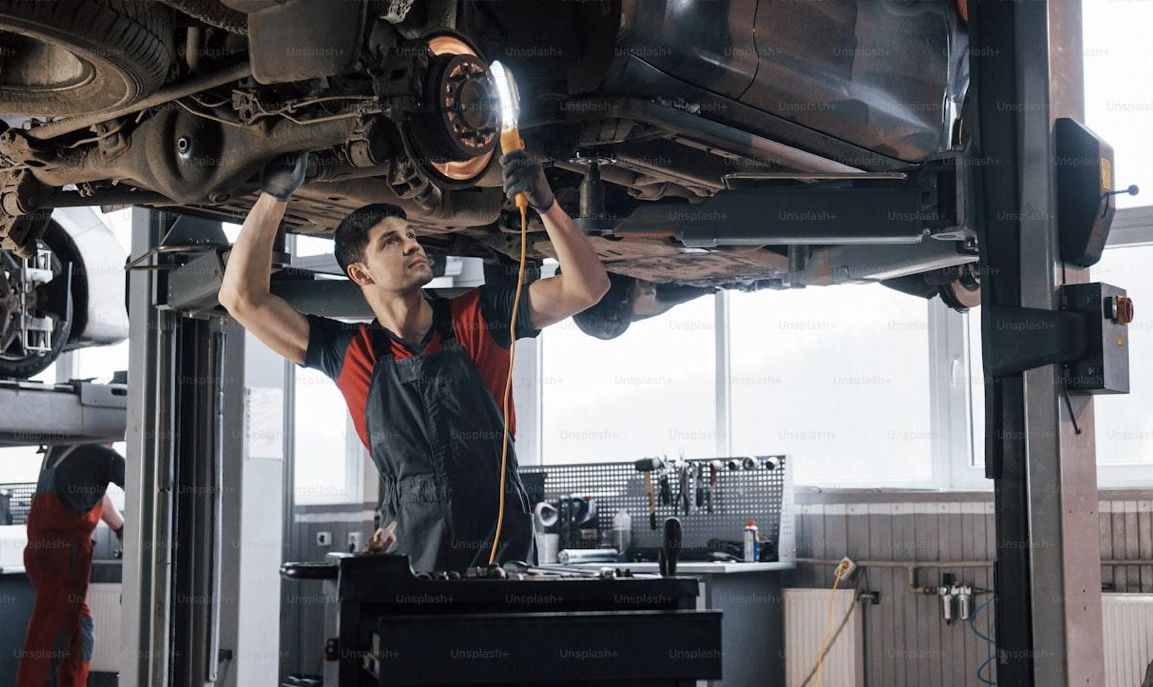
The driveshaft is a critical component of your vehicle’s drivetrain, responsible for transmitting power from the engine to the wheels. One of the most common indicators that a driveshaft is failing is noticeable vibration coming from beneath your car. According to HowStuffWorks, vibration from the undercarriage is the number-one warning sign of a bad driveshaft. Paying attention to unusual vibrations can prevent further damage to your vehicle and avoid costly repairs. Regular inspections by a qualified mechanic can identify worn universal joints or misaligned components before they compromise performance.
Understanding Vehicle Age on the Road
The average vehicle in the United States is much older than many people realize. Research from Car and Driver shows that the typical car on U.S. roads is about 12.6 years old. Knowing the age of your vehicle can help you anticipate maintenance needs and potential mechanical issues. Older cars may require more frequent checks of critical systems such as brakes, suspension, and the engine to ensure they remain reliable and safe for everyday use. This insight can also help drivers plan for eventual replacement or upgrades, extending the lifespan of the car they currently own.
Maintaining Longevity Through Proper Care
While modern cars are built to last, their longevity depends heavily on proper care and maintenance. Progressive reports that a conventional vehicle can last approximately 200,000 miles when well-maintained. By keeping up with scheduled oil changes, tire rotations, and transmission checks, drivers can maximize their car’s operational lifespan. Routine inspections and timely repairs not only prevent unexpected breakdowns but also protect the vehicle’s resale value. Consistently maintaining your car ensures it runs efficiently and safely over the long term.
Monitoring Signs of Wear and Tear
Beyond the driveshaft, vehicles show many subtle signs of wear and tear as they age. Common indicators include uneven tire wear, unusual engine noises, or decreased fuel efficiency. Recognizing these signs early allows you to address small issues before they become major problems. Staying attentive to how your car handles, responds to braking, and drives on different road conditions can alert you to hidden issues that might otherwise go unnoticed. Timely intervention often saves both money and stress.
Planning for Maintenance and Repairs
Understanding your car’s average lifespan and age can help you create a practical maintenance schedule. Given that most vehicles are over a decade old, regular servicing is more important than ever. Following manufacturer-recommended maintenance schedules, such as fluid changes and belt replacements, ensures your vehicle operates reliably throughout its life. Planning ahead for repairs, especially for high-wear components like the driveshaft, suspension, or brakes, prevents unexpected downtime and maintains safety on the road.
Understanding key facts about your car’s performance and longevity is essential for every driver. Recognizing early signs of driveshaft issues, being aware of the average vehicle age, and knowing the typical lifespan of a conventional car help you plan maintenance, repairs, and eventual replacement. Staying proactive with inspections and adhering to recommended service schedules can maximize both performance and safety. By paying attention to these details, drivers can extend the life of their vehicles, avoid unexpected breakdowns, and enjoy a more reliable driving experience for years to come. Being informed about these aspects also allows drivers to make smarter decisions when purchasing parts or choosing a new vehicle.