Urban Challenges and Solutions in Modern Traffic and Street Light Systems
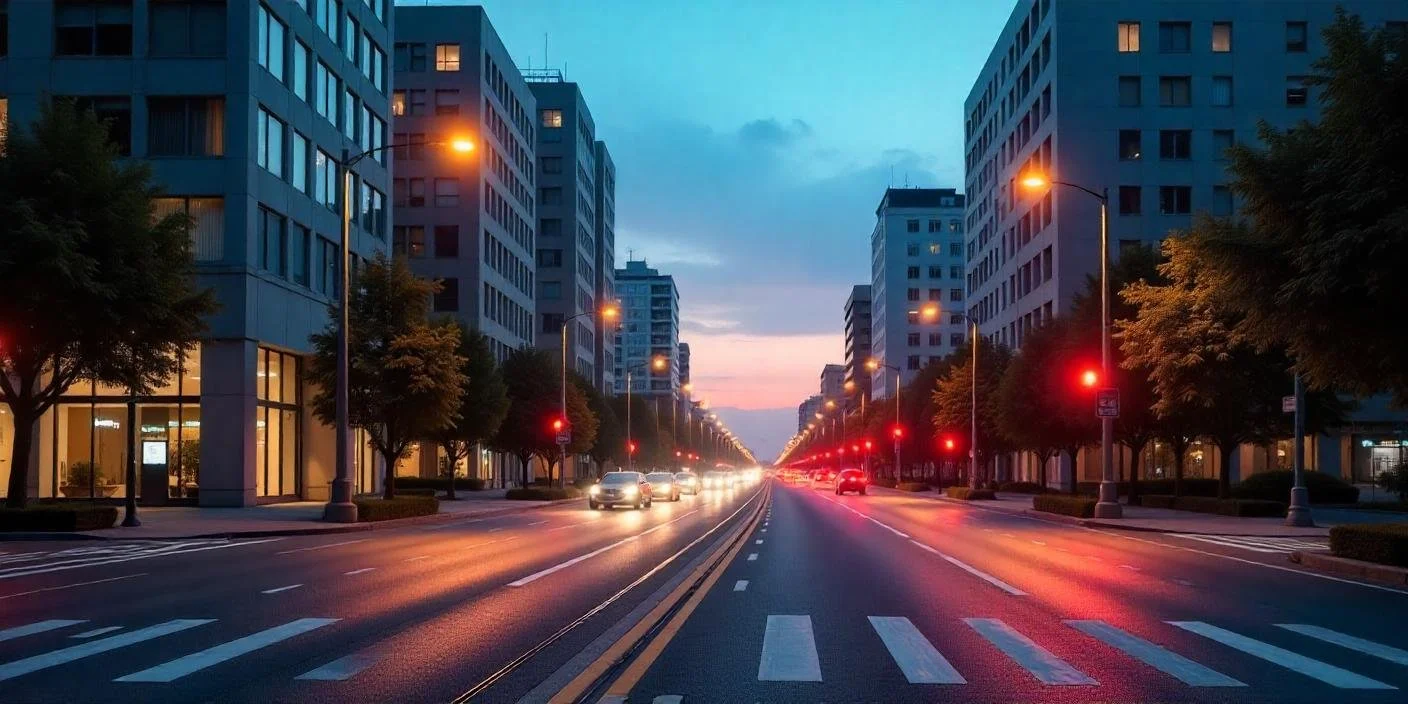
Urbanization is reshaping the way cities operate, placing new demands on infrastructure that wasn't designed to handle rapid growth, evolving technologies, and environmental stressors. Among the most visible—and often the most strained—components of this infrastructure are traffic signals and street lighting systems. What once served as simple utilities have now become integral parts of a city’s mobility, safety, and sustainability strategies.
As municipalities face growing complexity in public right-of-way systems, several recurring challenges emerge. These aren’t just technical in nature—they’re logistical, environmental, and economic. But with these challenges come innovative solutions, many of which are reshaping how cities approach traffic signal installation, street light maintenance, and energy optimization.
Let’s explore the major problems cities face today and the smart strategies that are addressing them head-on.
Problem: Outdated Infrastructure Can’t Keep Up
Many urban traffic systems still rely on infrastructure installed decades ago. The lights may work, the signals may function, but their capacity to adapt to real-time needs is limited. As traffic volumes rise and patterns shift, outdated systems lead to inefficient routing, congestion, and safety concerns.
Solution: Intelligent Traffic Signal Installation
Modern traffic signal systems incorporate real-time sensors, adaptive timing algorithms, and wireless communication. These tools allow cities to respond dynamically to changing traffic conditions. Vehicles don’t need to idle unnecessarily, and emergency vehicles can be prioritized in congested zones. It’s not just about automation—it’s about efficiency. With real-time responsiveness, intersections become smarter and safer, even during peak travel periods.
Problem: Maintenance Is Reactive, Not Proactive
Street light maintenance and traffic signal repair have traditionally followed a break/fix model. That means action is taken only after a failure occurs. This approach often results in prolonged outages, unsafe intersections, and frustrated commuters. It also leads to higher costs, as emergency work tends to be more expensive than planned upkeep.
Solution: Preventive Maintenance with Predictive Tools
Cities are now shifting toward proactive strategies. Sensors embedded in lighting and signal systems can now detect early signs of wear, voltage fluctuations, or communication breakdowns. Maintenance crews receive alerts before issues escalate. Scheduled inspections and timely part replacements improve longevity, reduce costs, and most importantly, keep public areas functioning safely. It’s a move from reactive to intelligent maintenance—something that has become a growing standard in urban environments.
Problem: Energy Waste from Inefficient Lighting
Legacy lighting systems, particularly those using high-pressure sodium or halogen lamps, are energy-intensive and environmentally burdensome. They consume large amounts of power and require frequent replacements, contributing to high utility bills and increased carbon emissions.
Solution: LED Street Light Installation and Energy Control Systems
Upgrading to LED lighting is a proven way to reduce energy usage. But it’s not just about switching bulbs. Many cities are implementing smart lighting systems with dimming capabilities and motion sensors. These lights adjust based on ambient light levels, pedestrian activity, or traffic flow. In low-activity zones, energy can be conserved without sacrificing safety. It’s a scalable, long-term investment with significant savings and environmental benefits.
Problem: Lack of Coordination Between Systems
In many cities, traffic signals, street lights, and other electrical scopes in public right-of-way function as siloed entities. Each may have its own maintenance schedule, control system, or data platform. The lack of integration leads to inefficiencies and missed opportunities for optimization.
Solution: Centralized Management Platforms
Integrated systems now allow cities to control and monitor traffic signals and lighting from a single interface. Operators can identify issues quickly, adjust configurations remotely, and even schedule service more effectively. This centralized model not only improves coordination—it also opens the door for smarter, data-driven decision-making.
Lighthouse Transportation Group supports city planners and infrastructure teams in aligning systems through improved planning and implementation strategies. With rising demand for intelligent urban coordination, integrated systems are quickly becoming the backbone of next-generation public infrastructure.
Problem: Rapid Urban Growth Strains Resources
As cities expand, the demand for new street light installation and traffic signal coverage increases. However, tight municipal budgets often make it difficult to expand infrastructure fast enough or to scale with projected growth. As a result, underserved areas face safety and visibility issues, while central districts bear the brunt of heavy usage and frequent failures.
Solution: Scalable, Modular Infrastructure
Modern lighting and signal systems are now being designed with scalability in mind. Modular components, wireless connectivity, and flexible power options (including solar) allow for faster deployment and easier integration with existing systems. Additionally, data collected from high-traffic areas can be used to plan smarter expansions—targeting the areas most in need and ensuring resource-efficient rollouts.
Problem: Environmental Pressures Are Rising
Increased emissions, rising temperatures, and severe weather events are becoming a frequent concern for city infrastructure. Flooded intersections, overheated control cabinets, and vulnerable power lines are now more than rare disruptions—they’re routine threats in many areas.
Solution: Resilient System Design and Renewable Energy Integration
The solution isn’t just to repair—it’s to rebuild with resilience. Traffic signal maintenance now includes waterproof enclosures, weather-resistant wiring, and backup power sources. Street light infrastructure, too, is being updated with solar-powered options and battery storage to ensure functionality even during power outages.
By building adaptability into the system, cities aren’t just maintaining—they’re future-proofing.
Organizations such as Lighthouse Transportation Group are engaged in conversations around resilience and long-term sustainability in public right-of-way planning. Their contributions reflect a growing emphasis on infrastructure that can withstand the unexpected without interrupting public services.
Final Thoughts: From Reaction to Preparation
Cities are complex ecosystems, and their infrastructure must be as dynamic and adaptive as the people and vehicles they support. Traffic signal repair and street light maintenance are no longer back-end concerns. They are front-line strategies that impact safety, mobility, energy, and livability.
The most effective approach today is not about solving one problem at a time—but designing interconnected systems that anticipate issues, communicate in real-time, and respond without delay. With thoughtful planning, smart technologies, and expert implementation, even the most challenging urban infrastructure concerns can be met with confidence.
As the need for intelligent, responsive systems continues to grow, so does the importance of experienced partners in the field. For cities that hope to lead, innovate, and endure, investing in smarter infrastructure today is more than a priority—it’s a necessity.
More Automotive Articles