Steel Industry 2.0: Innovations Driving Modern Production
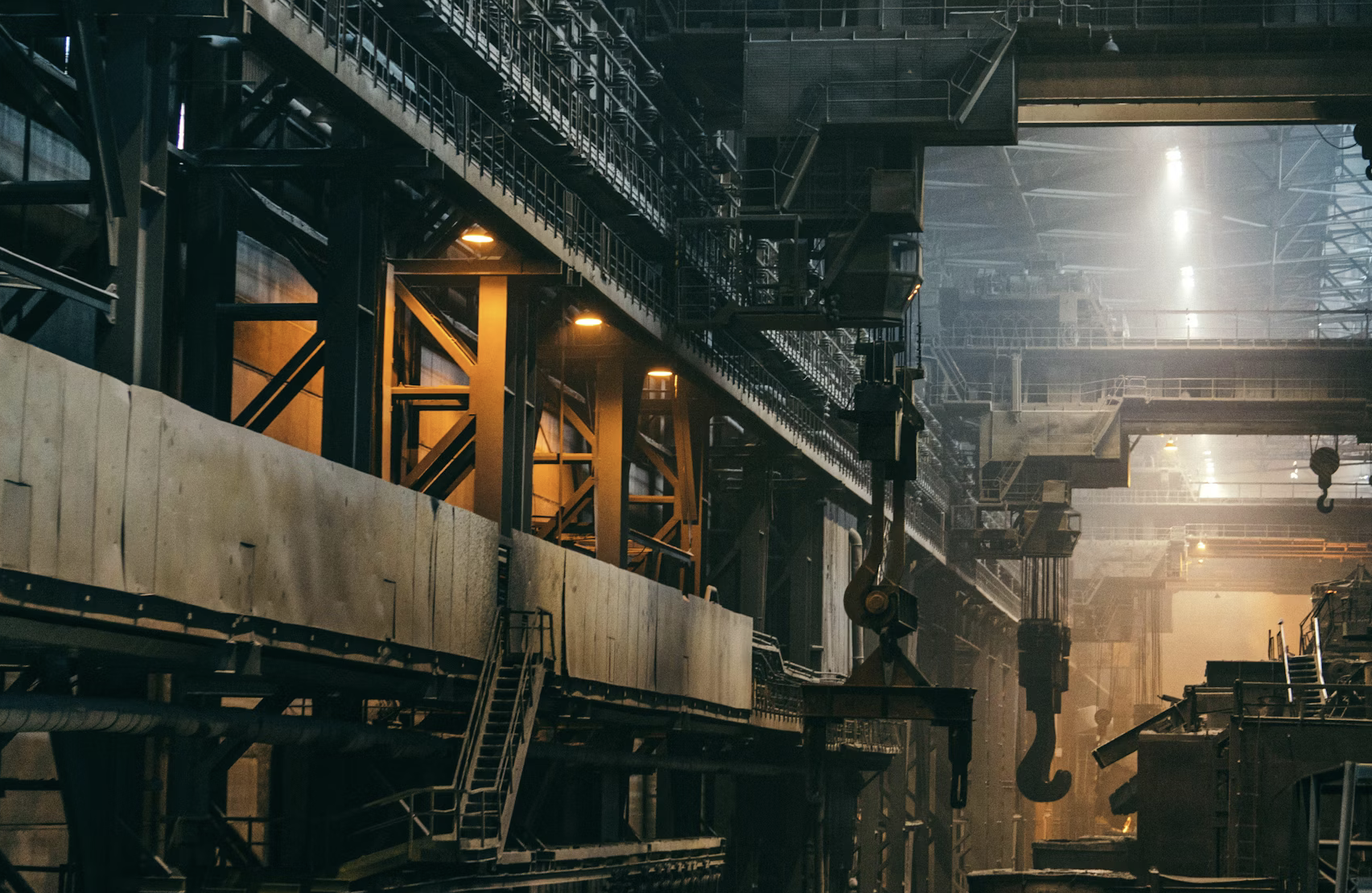
https://unsplash.com/photos/black-metal-empty-building-SLIFI67jv5k
The steel sector has long been a backbone of global structure, but in recent times, it has witnessed transformative technological advancements. Inventions in manufacturing processes, equipment operation, and material operations are reshaping effectiveness, sustainability, and quality norms. This composition explores five notable tech inventions driving the modern steel industry. From agricultural operations to supporting automation, these advancements are helping directors meet growing global demand while reducing environmental impact.
The Rise of 3D Printing in Steel Manufacturing
Additive manufacturing, generally known as 3D printing, has made significant raids into steel products. By using metal powders and precise laser sintering techniques, manufacturers can produce intricate steel parts that were previously insoluble with traditional casting or forging styles. This technology reduces waste, shortens production times, and allows for on-demand production of largely tailored parts. Industries such as aerospace, automotive, and medical devices are increasingly benefiting from steel 3D printing, demonstrating the versatility and eventuality of this invention. Likewise, 3D printing enables rapid-fire prototyping, allowing masterminds to test and upgrade designs before committing to a full-scale product.
Food Industry Applications
The steel industry is increasingly adapting products for technical sectors, such as food and beverage processing. Inventions in amalgamation composition and finishing ways make it possible to produce largely durable, erosion-resistant shells suitable for aseptic surroundings. Food-safe stainless steel tank manufacturing is a high illustration, offering holders that meet strict aseptic norms while ensuring life under frequent cleaning and chemical exposure. By fastening on specific industry conditions, steel manufacturers can expand their market reach while addressing critical safety and performance requirements. Such specialization also fosters collaboration between steel directors and food manufacturers to develop results that meet evolving supervisory and consumer expectations.
Advanced Equipment Maintenance
Maintaining heavy machinery is critical for continued steel production. Advanced conservation results, including predictive analytics, AI-driven diagnostics, and remote monitoring, allow drivers to detect implicit failures before they escalate. Companies are encouraged to invest in reliable remote vibration monitoring services to safeguard critical equipment, prevent unplanned stoppages, and extend machinery lifespan. Such practices not only ameliorate safety but also reduce conservation costs, allowing shops to maintain harmonious product schedules without compromizing quality. Over time, these visionary approaches can significantly enhance overall factory effectiveness and reduce unanticipated fiscal losses.
Automation and Smart Factories
Robotization is revolutionizing steel shops through robotics, AI, and Internet of Things (IoT) integration. Smart manufactories use detectors and real-time data analytics to optimize product lines, examine material flows, and prognosticate conservation requirements. Automated welding, slicing, and handling systems enhance perfection while minimizing human error. By reducing time-out and perfecting output, robotization helps manufacturers achieve advanced thickness in quality and functional effectiveness, which is essential for meeting ultramodern market demands. These intelligent systems also give precious insight that can guide strategic opinions and resource allocation.
Sustainable Steel Production Technologies
Environmental enterprises have urged the development of sustainable steelmaking styles. Electric arc furnaces, hydrogen-grounded reduction processes, and carbon capture systems are being enforced to lower greenhouse gas emissions and energy consumption. Advanced scrap recycling methods allow directors to repurpose waste efficiently, reducing reliance on virgin raw materials. These inventions aren't only environmentally responsible but also economically profitable, as companies can reduce costs associated with energy use and waste operations while clinging to stricter regulatory norms. Espousing these technologies is increasingly becoming a demand for steel directors who want to maintain competitiveness in a greener global market.
In conclusion, the steel sector is evolving at a remarkable pace thanks to technological advancements. From 3D printing to sustainable products, these inventions enhance effectiveness, quality, and environmental responsibility. By embracing these developments, steel manufacturers can remain competitive in an increasingly demanding global market, paving the way for smarter, safer, and more adaptable product practices. Eventually, these inventions represent a future where steel production is quicker, cleaner, and more aligned with industry-specific demands.