
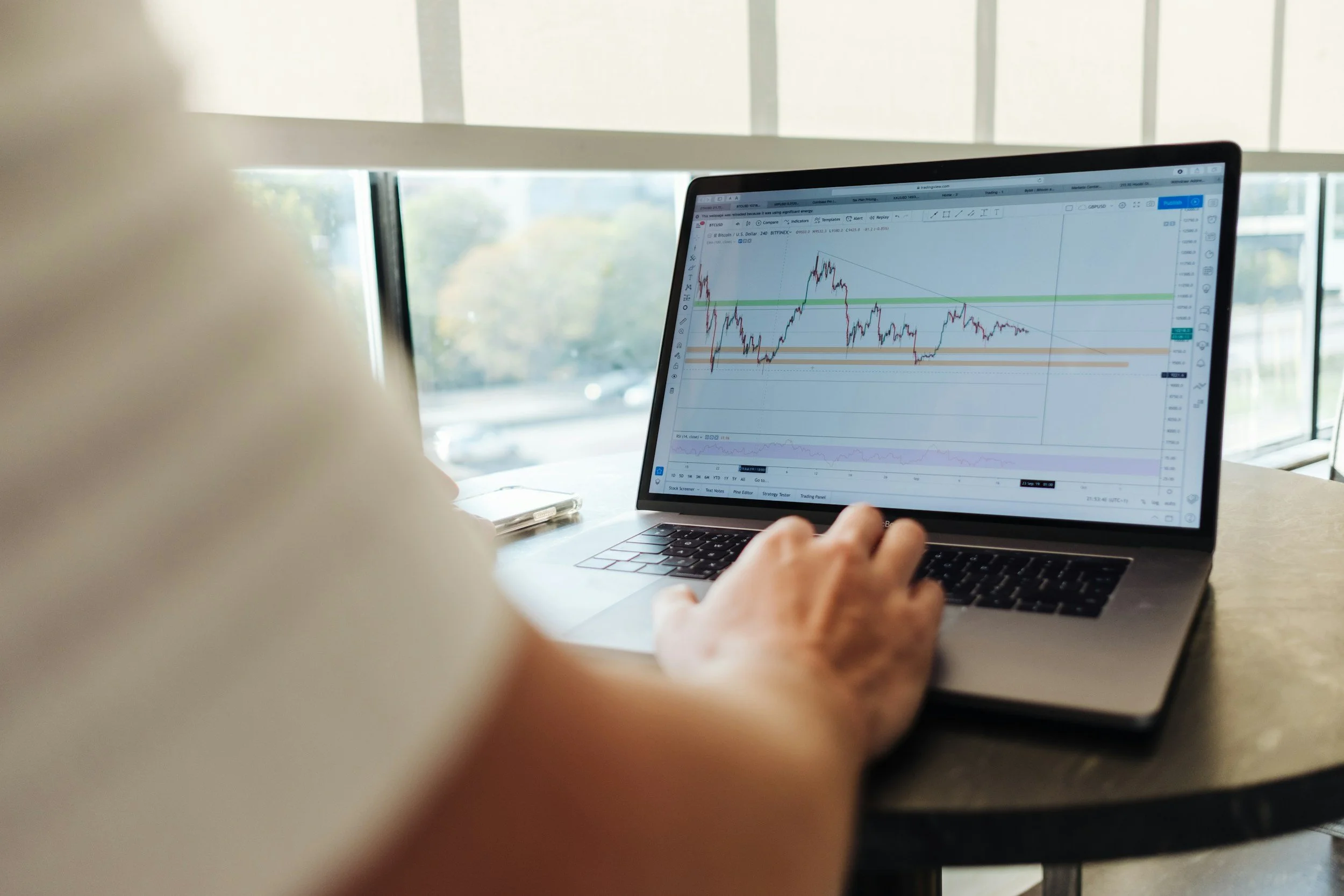
6 Regulations Regarding Trading that Everyone Should Know
In the world of trading, the interest in participating is bigger than ever. You may have also considered starting a business or trading online as a passive income act that can change your life. But beautiful as it may sound, trading without prior knowledge concerning regulation is a terrible idea. While you are busy chasing profits you might be exposing yourself to scam artists trading on unreliable platforms or being used in a rigged game. Real traders regardless of experience level understand that conducting business in a respectable and safe manner requires understanding and following the relevant regulations. These guidelines provide you with the ability to simply protect your private assets and trade honestly.
1. Licensing and Registration Requirements
To begin trading, it is wise to select a broker who is officially permitted to participate in the trade. These brokers have complied with the standards in their nation to acquire their license. These rules specify who may trade legally and who is not. Choosing a certified platform gives you the assurance that your money is being handled properly and is in good hands. Trading with unregistered brokers is risky and unlawful since they break the law and don't follow government regulations. These brokers are supervised by regulatory agencies like the SEC and FCA which make sure they handle your money with care.
2. Rules on Market Transparency
Market transparency can be understood as a language of clear and upfront pricing tactics. These strategies prevent traders from being surprised by hidden charges afterwards. Regulations have been enacted to make sure that every participant in the market has fair access to relevant information and to prevent brokers from manipulating data to mislead others. It is common for these rules to promote a habit of honesty among brokers and market makers, who now must report and behave in a trustworthy manner. Such high standards of equity, including the disclosure of pricing information and trading-focused reporting, help in the reduction of doubts and create a trusting environment in the market where every trader is aware of the stakes before making a decision.
3. Insider Trading Restrictions
Insider trading rules are the rules that protect you from unfair access to secret or confidential information. It is considered one of the most serious crimes in trading and can lead to heavy penalties and jail time. These rules are very strict and prevent privileged people from using confidential information before any other person. All people, even professional traders, risk violating these regulations. These limits assist in protecting the integrity of a market and ensuring that no one has an unfair advantage. It is one thing that any trader would have to stick to, because it would maintain fairness in the market.
4. Risk Management and Leverage Limits
The regulations surrounding risk management and leverage limits come up strongly to protect you from serious monetary errors in trading. Excessive borrowing may enhance your profit chances but can drain your account equally fast. Regulators ensure that there are limits on how much leverage you can use, which means the money you may borrow against your own capital. In this way, your investment is controlled, and catastrophic losses are avoided. There are rules that require brokers to provide information about trading risks and mandatory resting space.
5. Fair Trading Practices
The laws governing fair trading practices are extremely crucial in ensuring that the market is honest. They prevent price manipulation including pump and dumping or front running. These regulations guarantee that all traders, big or small, receive an equal chance to trade. A stark example of such practice against the law is spoofing, which is a practice of placing orders that you are not going to honor. Fair advertising is also controlled, so that there will be no deceitful advertisements to mislead new traders. Following the conduct standards set by the regulators will help you to work with brokers who are not trying to exploit you. The result is a more secure trading environment.
6. Modern Trading Support and Payouts
With the growth of online trading platforms around the globe, rules are becoming more crucial in ensuring that they work in a fair and effective manner. Traders are being pulled towards fast payout prop firm options as they provide swift transaction speeds and smart trading support. This is of extraordinary significance, as receiving money in time raises the credibility of a trading platform. Yet, the only way to provide security in the online trading world is by using platforms that follow strict rules and regulations. These regulations ensure that platforms treat your cash fairly and are transparent in their operations.
Conclusion
To conclude, you must be aware of the rules to save yourself and trade intelligently. These regulations protect the market and make sure that you will not waste your money on ineffective brokers or bad deals. They are there to ensure a fair situation where only merit rules and every trader is instructed on what to do. By following the rules, you will not only be a better trader in the long run, but you will also possess the confidence knowing that everything you are doing is legal and safe. The continuous awareness of the regulations and sound practices will make sure that you will continue to be a wise trader, whether you are just beginning your trading or have years of experience.
Sources:
https://www.tradebulls.in/trading-account-basics/10-best-rules-successful-trading
https://www.investopedia.com/articles/trading/10/top-ten-rules-for-trading.asp