
How to Get Your Home Ready for the Real Estate Market
A strong home sale starts well before the listing goes live. The most effective approach is to create a plan that blends smart repairs, cosmetic refreshes, clear documentation, and buyer-focused presentation. Think of your preparation as a sequence: assess condition, set priorities, complete work in the right order, then stage and price confidently. With a clear roadmap, you minimize surprises, protect your budget, and position your property to stand out from competing listings.
Set Your Objectives and Timeline
Begin with the basics: your ideal closing date, your must-have price range, and how much time and money you can invest before listing. Work backward from the target date, building a schedule for inspections, contractor bids, material lead times, and photography. Decide early which improvements will happen now versus which are better handled as disclosures and pricing adjustments. A written plan prevents last-minute scramble, keeps contractors aligned, and helps you evaluate tradeoffs with a cool head.
Audit Curb Appeal and Exterior Basics
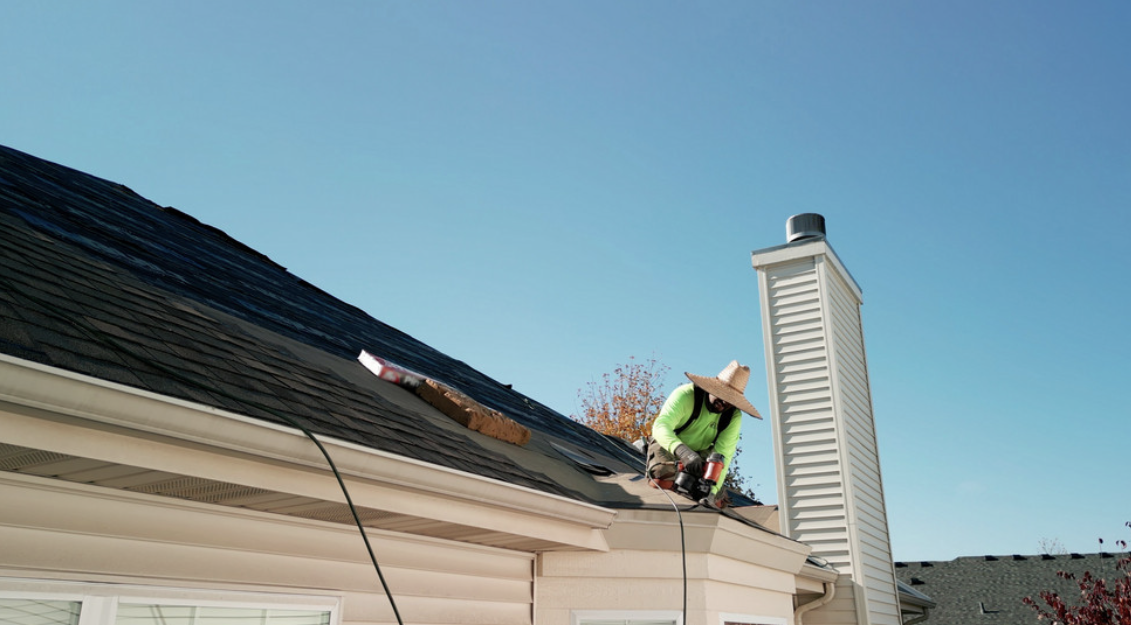
First impressions are powerful, so start at the street. Address landscaping, walkways, and exterior lighting so the approach feels orderly and safe. Repair loose handrails, clean siding, refresh the front door, and pressure-wash hard surfaces. Small touches like fresh mulch, crisp house numbers, and a new doormat make photos pop and show buyers that the home has been cared for. If the roof, gutters, or downspouts need attention, prioritize those items, because moisture issues will resurface during inspection.
Fix Safety and Structural Essentials
Tackle items that can derail a deal: electrical hazards, active leaks, pest damage, or foundation concerns. Proactive repairs reduce negotiation pressure and appraisal risk, and they give buyers confidence during due diligence. According to Remodeling Magazine, sellers typically recover about 70 to 75% of their investment in foundation repair at resale, which underscores why addressing critical defects can be both a defensive move and a value play. Keep invoices, permits, and warranties to share with your agent and prospective buyers.
Refresh High-Impact Interiors
Once essentials are handled, focus on cost-effective updates that photograph well and feel move-in ready. Neutral interior paint, updated cabinet hardware, modern lighting, and clean switch plates provide a cohesive backdrop. In kitchens and baths, consider resurfacing grout, re-caulking, and replacing dated faucets or mirrors. Aim for bright, uncluttered rooms with consistent bulb temperatures, clean window treatments, and tidy closets. A deep clean, including vents and baseboards, communicates pride of ownership and reduces buyer distractions during showings.
Document Maintenance, Upgrades, and Operating Costs
Create a neat binder or digital folder that includes service records, major repairs, appliance ages, utility averages, HOA information, and any transferrable warranties. This simple package reduces buyer uncertainty and speeds decision-making. According to EIN Presswire, the repair and maintenance market is projected to expand significantly, reaching about $2,263.54 billion by 2028 at an 8.0 percent compound annual growth rate, so well-kept documentation helps your home stand out in a landscape where upkeep is increasingly prioritized. Transparency builds trust, which often translates into stronger offers.
Price, Stage, and Market for Your Likely Buyer
Work with your agent to analyze comparable sales, days on market, and seasonal trends, then price strategically to capture early momentum. Stage to highlight flexible spaces for work, fitness, or hobbies, and remove oversized items that shrink rooms. According to Bankrate, roughly 32% of buyers in 2023 were purchasing for the first time, so emphasize move-in readiness, safety upgrades, and easy maintenance. Thoughtful staging, professional photos, and a polished listing description can create the urgency that fuels strong initial traffic.
Coordinate Pre-Listing Inspections and Quick Wins
A pre-listing inspection can surface issues on your terms. Use the report to address inexpensive fixes with outsized impact, like replacing failed GFCI outlets, adjusting doors that rub, or repairing minor plumbing leaks. Touch up paint where needed, service the HVAC, and replace worn weatherstripping to improve energy feel during showings. Simple improvements, completed before buyers arrive, reduce the number of items that might otherwise become bargaining chips after their inspection.
Launch, Monitor Feedback, and Adjust
Once the listing is live, treat feedback as data. If multiple visitors mention a dark room, add a floor lamp and use brighter bulbs. If storage seems tight, remove a few nonessential items to free up visual space. Stay flexible on showing windows in the first two weeks, when interest is highest. Quick, sensible adjustments based on real-time reactions can prevent price reductions and keep your listing fresh.
A methodical plan, focused on essentials first and presentation second, can help your home rise to the top of a crowded market. Prioritize safety and structural items, make targeted cosmetic updates, price with precision, and present clear documentation to reduce friction for buyers. With the right preparation, you invite stronger offers, smoother negotiations, and a sale that feels as good as it looks.