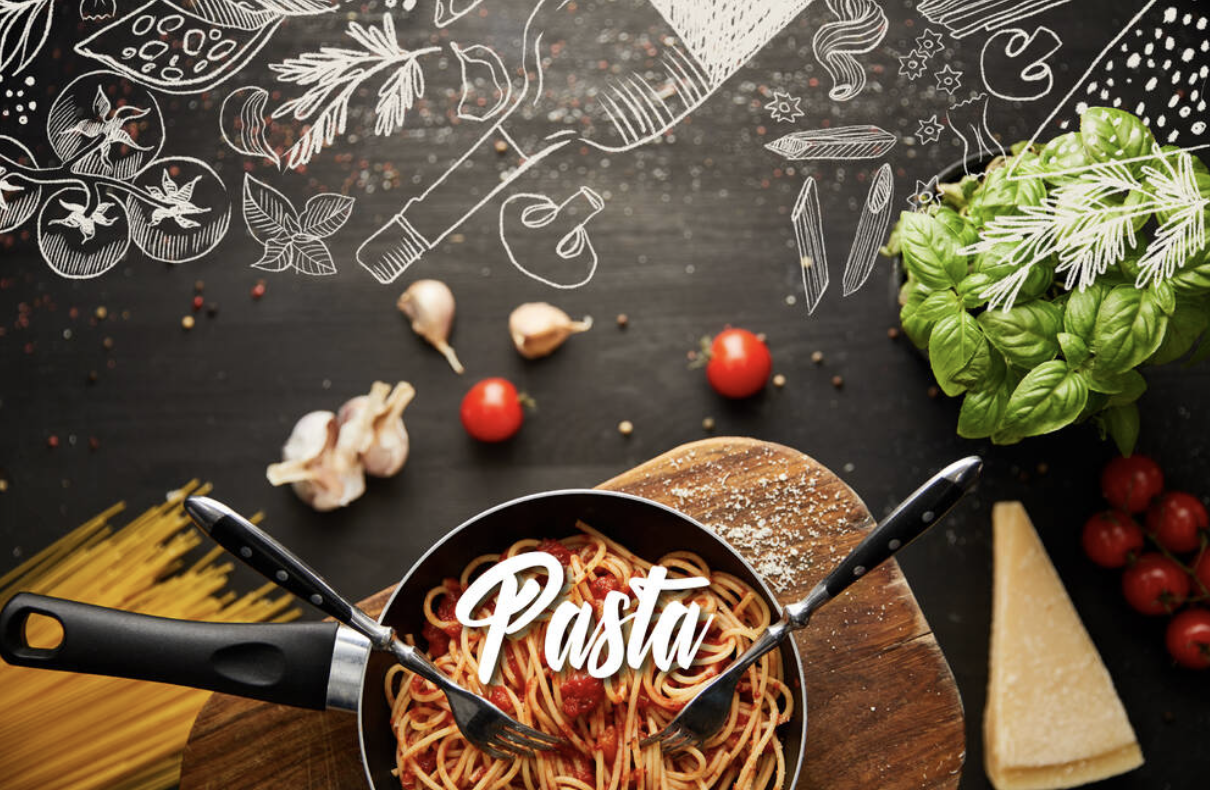
Discover Authentic Italian Pasta Menu: A Taste of Italy’s Culinary Delights
"🍝 Savour the true flavours of Italy with an authentic pasta menu 🇮🇹 Indulge in the finest culinary experiences and enjoy a delightful journey through Italy’s rich food culture. Buon Appetito! 🍷"
Italian cuisine is revered globally for its rich, bold flavours and its deep-rooted traditions. At the core of this beloved cuisine lies pasta—a dish that has captured the hearts of many over centuries. From its ancient origins to the wide array of regional variations, pasta is an integral part of Italian dining, offering both comfort and satisfaction.
An Italian pasta menu is an invitation to explore a variety of shapes, sauces, and cooking techniques. From the classic spaghetti with marinara sauce to pasta in Tanjong Pagar featuring delicate ravioli filled with seasonal ingredients, each dish embodies the local customs and family recipes passed down through generations. Whether you enjoy rich, creamy sauces or fresh, vibrant pestos made with garden herbs, there is a dish to please every taste.
This guide showcases not only the traditional pasta dishes Italy is known for but also modern adaptations that reflect current culinary trends. An authentic Italian pasta menu isn’t merely a selection of food—it’s an opportunity to embrace the simple joys of life, shared with loved ones around a warm table. Get ready to enjoy a fulfilling experience where every bite connects you with the heart of "La Dolce Vita."
The Origins of Italian Pasta
Pasta has ancient roots, with its history tracing back to Etruscan and Roman times. Originally made from durum wheat, it has evolved over the centuries, adapting to regional flavours and traditions. Today, pasta reflects the diverse cultural influences that have shaped Italy’s culinary identity.
Italy is home to several regions famous for their unique pasta offerings. In Emilia-Romagna, the world enjoys lasagna and tagliatelle, while Campania is known for its perfectly prepared spaghetti. Tuscany brings its own distinct touch with pici, a hand-rolled pasta, showcasing how different regions each have something special to contribute.
Pasta exists in an array of shapes and sizes, from long, thin strands of spaghetti to wide ribbons of fettuccine, to the hearty lasagna sheets. These variations are a testament to Italy's varied landscapes and local ingredients, offering something for every palate.
How Italian and American-Italian Pasta Differ
Ingredient Differences
The key differences between authentic Italian pasta and American-Italian versions largely come down to the ingredients used. Authentic Italian pasta often focuses on high-quality, locally sourced components that shape both its texture and flavour. These distinctions can lead to a noticeable contrast in taste, with Italian pasta offering a more refined and genuine experience.
Preparation Techniques
The methods used to prepare pasta also differ, with Italian chefs following time-honoured practices passed down through generations. The techniques they employ—such as hand-making the dough or using particular types of flour—often result in a more authentic dish. American-Italian preparations, though delicious, may take shortcuts or include variations that can alter the traditional flavour profile.
Impact on Flavour and Experience
These differences in ingredients and methods play a significant role in the overall experience of eating pasta. The use of fresh, local produce and traditional cooking methods enhances the authenticity of the dish, making each bite more satisfying and true to Italian culinary heritage.
Making Authentic Italian Pasta at Home
To make true Italian pasta at home, start with a few pantry essentials: high-quality durum wheat flour, fresh eggs, sea salt, and extra virgin olive oil. These basic ingredients form the foundation of traditional pasta dough and serve as the perfect base for rich, flavourful sauces.
Follow an easy-to-understand guide with step-by-step instructions on crafting your own Italian dishes at home. By using traditional methods and fresh, quality ingredients, you can recreate the delicious flavours of Italy in your own kitchen.
Mastering Italian pasta involves not only learning the key ingredients but also embracing techniques that stay true to the culture. Whether you’re exploring fresh pasta recipes or learning to perfect traditional sauces, the process offers a great way to appreciate Italy’s culinary depth.
Italian Pasta Menu FAQs
What are the top Italian pasta dishes?
The most popular Italian pasta dishes are a delightful mix of classic and modern flavours. Some standouts include spaghetti carbonara, lasagna, and fettuccine Alfredo, each offering a unique flavour profile shaped by regional ingredients and traditional methods.
What are classic Italian pasta dishes?
Classic Italian pasta dishes include iconic options like spaghetti carbonara, lasagna, and pasta with pesto. Each dish captures the essence of Italy's commitment to fresh ingredients, balanced flavours, and a passion for preserving culinary traditions.
What are the four most well-known Italian pasta dishes?
Some of the most famous Italian pasta dishes are Spaghetti Carbonara, Lasagna, Penne Arrabbiata, and Pasta Pesto. Each has its own distinct flavour, prepared with a blend of fresh, regional ingredients that create unforgettable experiences.
What does a typical Italian menu include?
A traditional Italian menu features multiple courses, including light starters such as bruschetta, followed by pasta dishes like spaghetti carbonara or penne arrabbiata. The main course often includes meats or seafood, accompanied by seasonal vegetables, and ends with a sweet treat like tiramisu or panna cotta.
Final Thoughts
Italian pasta isn’t just a dish; it’s a representation of Italy’s rich history, regional diversity, and passion for quality food. By exploring both classic and contemporary pasta dishes, you can experience the true essence of Italian cuisine. Whether dining in Italy or recreating the dishes at home, the joy of pasta lies in the connections it fosters—around the table, with loved ones, and with the culture that created it.
Each meal is an invitation to appreciate not just the flavours, but the stories and traditions behind the food. So, take the time to explore, enjoy, and share these unforgettable pasta creations as part of your culinary adventure.