Traditional South Indian Food Tour: Idli, Dosa, Filter Coffee & Regional Specials
South India’s food culture is not a single narrative. It is several parallel stories shaped by coastline, rain, soil, and long-kept household practices. Travellers who arrive for temples and landscapes often leave remembering breakfasts, the quiet order of a banana-leaf meal, or the courteous pause that accompanies a stainless-steel tumbler of filter coffee. Curated South India Tour Packages increasingly reflect this reality. Itineraries now pair landmarks with kitchens, markets, and morning tiffin stops because food explains the region as well as any museum.
What Makes Idli and Dosa Seem Simple but Skillful?
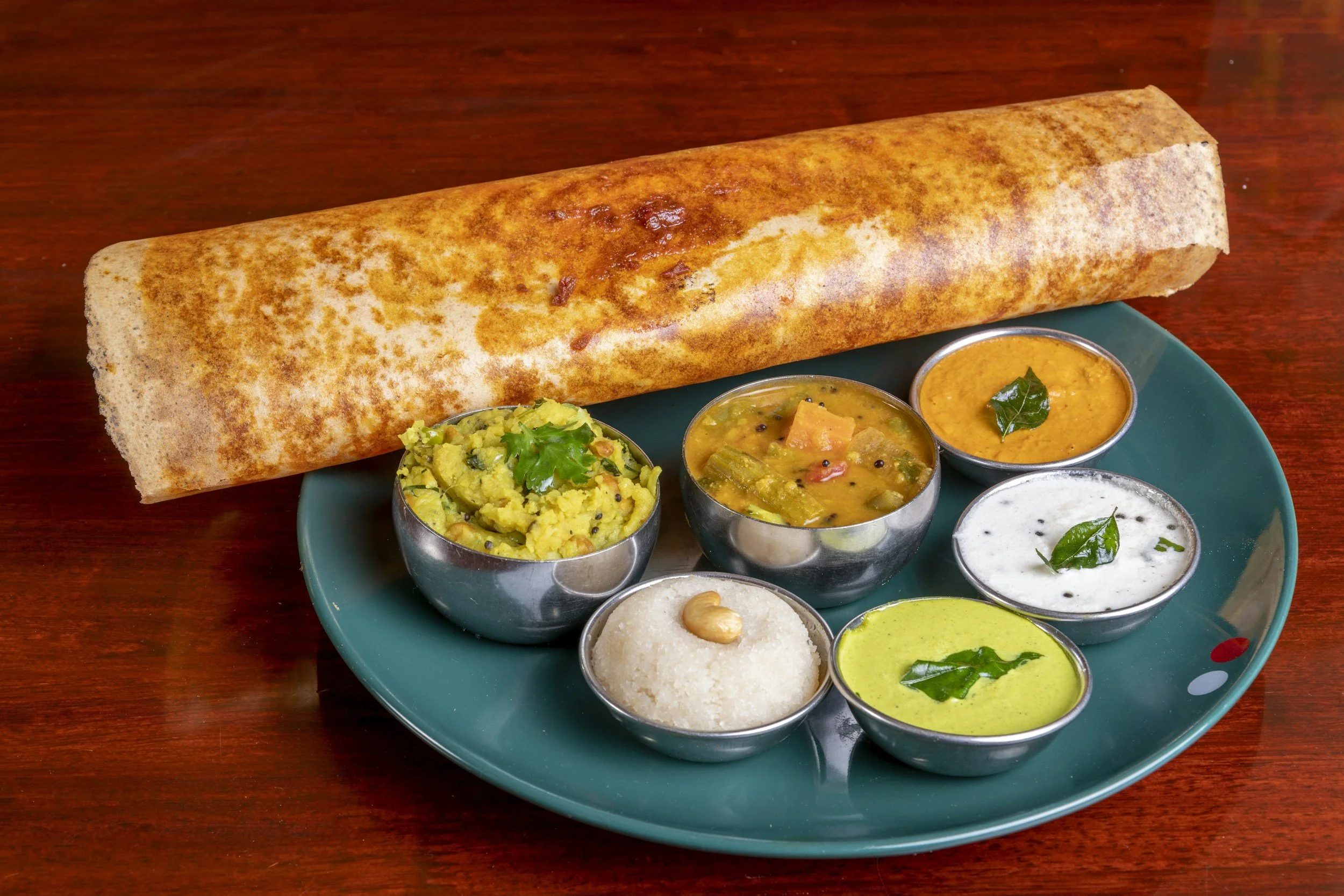
Idli and dosa sit at the centre of the table because they reward restraint and timing. Fermentation is not guesswork here. Families keep their own ratios, and the climate lends a steady hand. A good idli is soft rather than spongy, warm rather than hot, and balanced enough to carry either a mild coconut chutney or a sharper tomato one.
The dosa speaks in multiple dialects: the wafer-thin paper dosa of Chennai; the Mysore masala dosa with its quiet smear of red chutney; thicker, ghee-forward versions served without theatre in smaller towns. The point, always, is control of batter, heat, and patience.
Why Is Filter Coffee a Ritual Rather Than a Drink?
Filter coffee is not simply caffeine. The decoction drips without hurry. Milk is heated properly, not scalded. Sugar, if added, is added without fuss. The froth is not decoration but texture. In Chennai and Bengaluru, you still find cafés where no one rushes you.
The drink works as an opening note to the day, but it also functions as punctuation, after a meal, between errands, before the afternoon rain. Travellers moving through South India Tour Packages often remember the coffee stops as much as any fort or palace because they reveal how the region keeps time.
How Do Regional Plates Explain the Map?
The cuisine changes decisively with each state, often within districts.
Tamil Nadu values balance: tang from kuzhambu, the clean comfort of rasam, textures from poriyal and kootu, and curd rice when the weather insists on calm. Chettinad cooking adds complexity through patient roasting and measured heat.
Karnataka is broader than many expect. Coastal Mangaluru leans into coconut and pepper. Interiors rely on millet and ragi mudde. Udupi’s vegetarian canon remains spare and disciplined. The Mysore masala dosa, now everywhere, is still most persuasive on its home ground.
Kerala is coastal, yes, but never predictable. Appam with stew shows quiet confidence. Karimeen Pollichathu arrives fragrant, wrapped and roasted. The Onam sadya demonstrates scale without waste, thirty dishes that still read as one meal. Pepper, coconut, and acidity are used with clean intent.
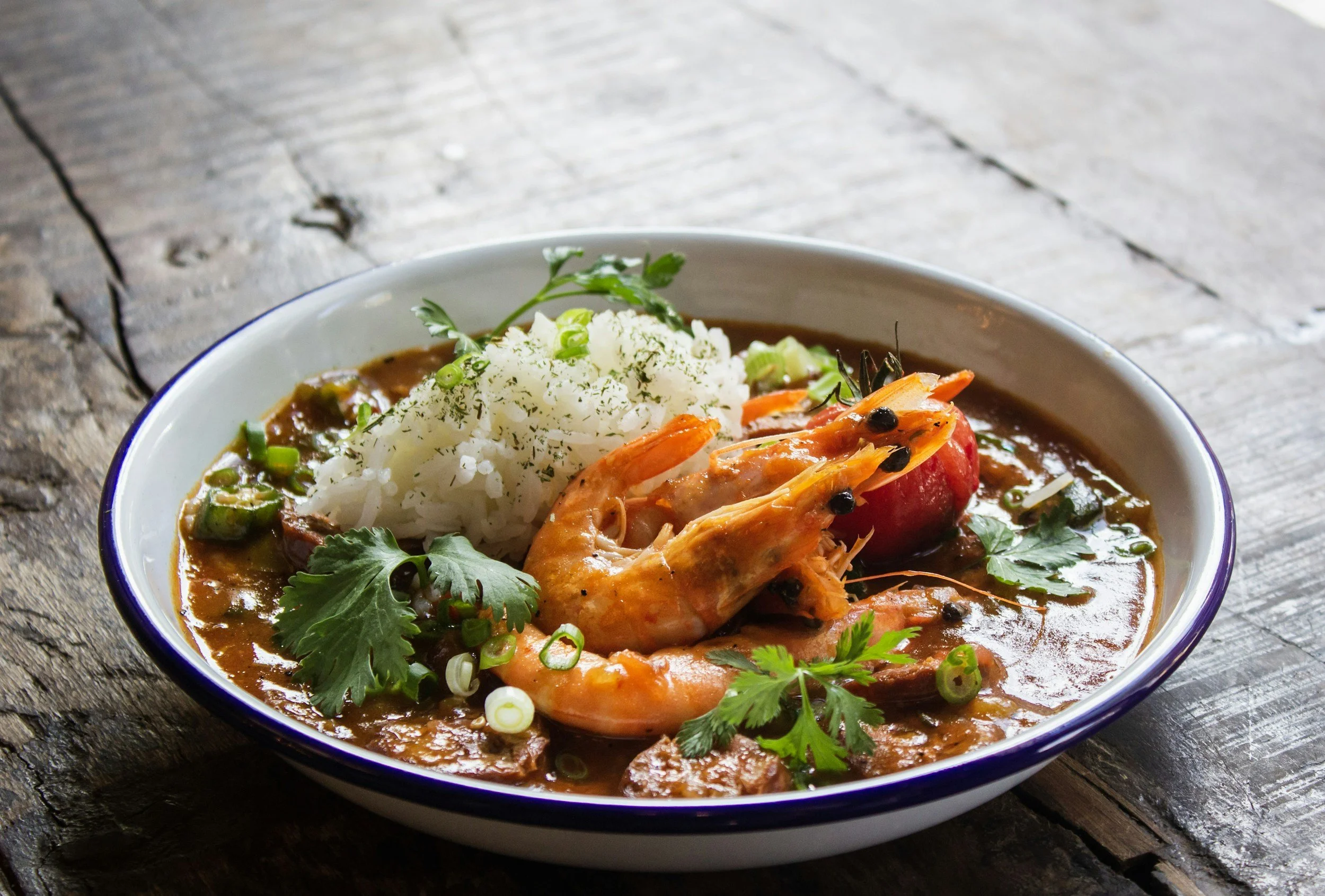
Andhra Pradesh and Telangana prefer clarity of flavour rather than blunt force. Gongura lends its signature tartness. Pappu and pulusu anchor the table. Biryani in Hyderabad relies on aroma, not volume. Heat is present, but the balance with rice is deliberate and learned.
A well-planned food tour reads this geography correctly, moving at a pace that allows kitchens, not just restaurants, to define the itinerary.
What Does Eating as a Daily Practice Look Like?
Breakfast matters here. Tiffin items are freshest in the morning because the kitchens are at their most confident then. Lunch on a banana leaf is not nostalgia. The leaf adds aroma and a practical order to service. Evening snacks—medu vada, bajji, bonda—create their own social hour.
None of this is staged for visitors. It is simply how the region works. The most reliable meals are often found in small messes, temple canteens, and family-run establishments that keep short menus and steady standards.
How Should Travellers Plan a Culinary Route?
A food-first itinerary benefits from restraint. Two cities done well are better than four rushed. Markets should be seen early. Coastal fish is best when boats arrive. Festival weeks alter menus in interesting ways.
It helps to keep a small notebook: stall names, spice mixes, and a family’s sambar powder ratio freely shared and promptly forgotten unless written down. When comparing South India Tour Packages with swan tour who is Travel agents in India, look for schedules that protect breakfast hours, include at least one market walk, and leave space for the unplanned invitation—a second cup of coffee, a cooking demonstration that wasn’t advertised, or a sidestreet sweet shop that sells out by noon.
Why Does This Food Tour Create Lasting Memories?
The memory of South India’s food is not built on spectacle. It rests on temperature held correctly, on clean spice, on portion control, and on the confidence to serve what is in season. That is why the cuisine travels well across states yet remains precise within each.
A thoughtful tour, designed around kitchens as much as monuments, will show you the region without argument. It will also travel home with you—methods, small habits, a measured hand with tamarind—long after the itinerary ends.
For travellers selecting South India Tour Packages, the surest sign of quality is simple: space for mornings, respect for markets, and menus that read like a map rather than a checklist.