The Rise of Gluten-Free Cuisine: Trends and Predictions
Have you noticed how gluten-free options are popping up everywhere, from restaurants to grocery store shelves? Gluten-free cuisine is no longer just a niche diet-it's becoming a mainstream movement.
More people are embracing it for health, lifestyle, and wellness reasons. As demand grows, chefs, food brands, and home cooks are reimagining what gluten-free meals can look and taste like. The future holds exciting flavors, creative recipes, and innovative products that will shape how we enjoy food.
Ready to discover what's next for gluten-free dining? Let's explore the top trends and predictions shaping this evolving cuisine.
Growth of Gluten-Free Products in Stores
Supermarkets are expanding their gluten-free sections year after year. A decade ago, it was difficult to find gluten-free bread or pasta.
Now, shelves are filled with gluten-free crackers, cookies, flour mixes, and frozen meals. This trend is expected to continue as more companies compete to meet demand. Shoppers want variety, so brands are experimenting with new flavors and formats.
Another big change is that gluten-free foods are no longer hidden in one corner of the store. Many brands are placing their products right alongside regular versions. This makes it easier for shoppers to make side-by-side comparisons and encourages more people to try gluten-free products.
Creative Use of Ancient Grains
Ancient grains such as quinoa, amaranth, millet, and sorghum are becoming key ingredients in gluten-free cooking. These grains are naturally gluten-free and rich in:
protein
fiber
nutrients
Unlike rice or corn, they offer unique flavors and textures. Bakers use them to make hearty breads, while chefs add them to salads and side dishes. Their growing popularity points to a future where ancient grains replace processed starches in many gluten-free foods.
Rise of Plant-Based and Gluten-Free Fusion
Plant-based eating is booming, and many consumers want meals that are both vegan and gluten-free. This combination gives rise to exciting recipes such as:
lentil pasta
chickpea flour pancakes
dairy-free
gluten-free pizzas
Food brands are recognizing this demand and creating products that check both boxes. Expect to see more dual-labeled items on store shelves, appealing to people who want healthier, sustainable options.
Restaurants are also picking up on this trend. Menus now feature creative dishes like cauliflower-crust pizzas topped with dairy-free cheese or black bean burgers served on gluten-free buns. This overlap of plant-based and gluten-free makes eating out more enjoyable for people with multiple dietary preferences.
Demand for Cleaner Labels
People are reading ingredient lists more carefully. They want gluten-free foods that are not just free of gluten but also free of unnecessary additives. Clean-label products often contain:
fewer ingredients
no artificial preservatives
no added sugars
This trend is influencing food manufacturers to create simple, transparent products. The future of gluten-free cuisine will focus on health as much as taste. For example, instead of gluten-free cookies filled with artificial flavors, shoppers now look for options made with:
almond flour
honey
dark chocolate
Clean eating has become part of the gluten-free movement, and brands that focus on wholesome ingredients will win trust. Transparency in packaging, like clear sourcing information, will likely become a standard.
Restaurant Innovation in Gluten-Free Menus
Restaurants are no longer offering just one gluten-free dish as an afterthought. Many are building entire sections of their menus around gluten-free items. From gluten-free burger buns to pasta made from lentils, dining out is becoming easier for gluten-free eaters.
Restaurants are also training staff to avoid cross-contamination. This is critical for those with celiac disease. The hospitality industry will likely continue to expand these efforts as demand grows.
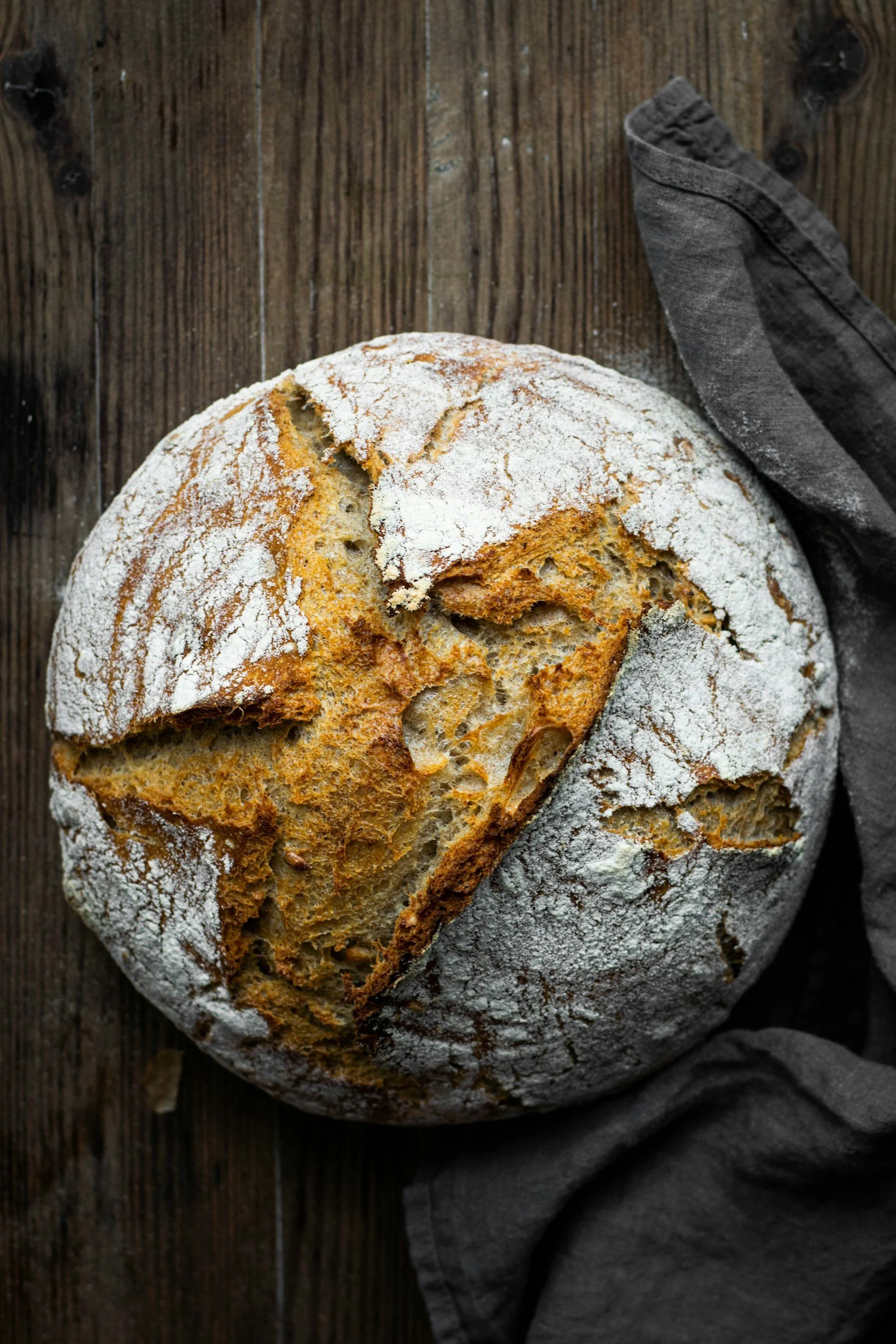
Gluten-free bakeries and cafes are also on the rise. These places often specialize in pastries, cakes, and bread made without gluten. For many customers, walking into a bakery where everything is safe to eat feels like a luxury.
Advances in Gluten-Free Baking
Baking without gluten has always been a challenge because gluten provides elasticity and structure. However, new baking techniques and ingredient blends are changing the game. Bakers now combine the following to achieve better results:
almond flour
coconut flour
tapioca starch
Innovations in yeast and natural gums also help mimic the texture of traditional baked goods. Gluten-free bread, cakes, and pastries are becoming more appealing, even to those who eat gluten regularly.
Technology in Gluten-Free Cooking
Technology is shaping the way we prepare and enjoy gluten-free meals. Food delivery apps are including filters to help customers find gluten-free options. At-home meal kits now offer gluten-free subscriptions with fresh ingredients and step-by-step recipes.
Even 3D food printers are being tested to create custom gluten-free snacks. As technology advances, the accessibility and creativity of gluten-free cooking will expand further. Another part of this trend is social media.
Platforms like Instagram and TikTok are filled with gluten-free recipes and reviews. These posts help spread awareness and give people new ideas for cooking at home.
Global Flavors Entering Gluten-Free Cuisine
International cuisines are inspiring gluten-free menus. For example, Indian cuisine uses chickpea flour for breads and snacks, while Latin American cooking relies on corn masa for tortillas and tamales. These traditions naturally align with gluten-free diets.
More chefs are exploring these global flavors, making gluten-free dining exciting and diverse. This trend will likely grow as people embrace cultural foods that are naturally free of gluten.
Meal Prep and Convenient Options
Convenience is a driving force in food trends. Many people want quick and easy gluten-free solutions for busy schedules. Ready-to-eat snacks, frozen gluten-free entrees, and grab-and-go baked goods are popular.
At the same time, people who cook at home are embracing meal prep with no gluten as part of their weekly routine. This focus on convenience without sacrificing health will keep growing.
Busy families, students, and professionals are leading this demand. When time is short, having a freezer stocked with gluten-free options or prepped meals makes life easier.
Companies that provide portioned, reheatable meals will thrive in this area. The more convenient gluten-free living becomes, the more people will adopt it.
All About a Gluten-Free Cuisine
Gluten-free cuisine is becoming more popular each year. Many restaurants and food brands are creating new gluten-free options. People choose gluten-free meals for both health and lifestyle reasons.
Technology and better ingredients are making gluten-free food taste more like traditional meals. The future of gluten-free cuisine looks bright and full of variety.
Looking for more tips and ideas? We've got you covered. Check out some of our other posts now.