The Ultimate Guide to Selecting the Best Seeds for Microgreens
If you’ve tasted microgreens, you already know they punch well above their weight in flavor. These plants bring freshness and color to any meal. They’re easy to grow at home and don’t need much space, soil, or time. You can grow them on a windowsill, balcony, or countertop and enjoy a harvest in just a week or two.
But, the truth is that not all microgreens are the same. The type of seed you use can change everything. Some grow faster. Some taste sharper. Some give you better yields. That’s why choosing the right seeds matters. It’s the first step to getting clean, healthy greens with great flavor and texture.
This guide will walk you through everything you need to know before planting your next tray.
What Are Microgreens?
Microgreens are the young, edible shoots of vegetables and herbs. They’re harvested early, usually when the first true leaves start to appear. At this stage, they’re full of nutrients and flavor, with soft stems and fresh textures.
They’re not the same as sprouts. Sprouts grow in water and are eaten whole. Microgreens grow in soil or growing mats and need sunlight. You harvest just the stems and leaves, not the roots.
Despite their small size, microgreens are packed with nutrition. Research shows they can contain 30 to 40 times more nutrients than fully grown vegetables, especially when it comes to vitamins and antioxidants.
You’ll find microgreens made from broccoli, radish, beet, mustard, pea, basil, and many others. They add crunch to sandwiches, color to plates, and nutrition to just about anything.
Why Seed Choice Matters
Your harvest starts with your seeds. If you use poor-quality seeds, your microgreens may grow slowly or unevenly. Some might not sprout at all. Others may carry unwanted chemicals if they were meant for outdoor use.
Different seeds also give you different results. Want a mild, earthy taste? Try broccoli. Want spice? Go with mustard or radish. Need something hearty and sweet? Pea shoots are perfect. Your goal should guide your seed choice.
But something many beginners miss is that not all seeds at the garden shop are safe for microgreens. Some are coated in treatments that aren’t meant for indoor growing or quick harvesting. That’s why it’s better to look for seeds made specifically for microgreens.
One good place to start is by browsing quality microgreens seeds from trusted sources. These are cleaned, untreated, and tested for fast indoor growth.
Top Types of Microgreens Seeds
There are many seeds to choose from, but some are easier for beginners or give more consistent results. Here are a few to try.
Broccoli: Mild, quick-growing, and full of nutrients. This is a go-to for first-time growers. It germinates well and tastes slightly peppery but not too strong.
Radish: Spicy and bold. Radish seeds grow into crisp, flavorful greens with red or pink stems. They germinate fast, often ready in five days.
Pea: These shoots are tall and sturdy. They taste sweet and stay crisp. They do best in cooler conditions and need more room to grow, but they reward you with large yields.
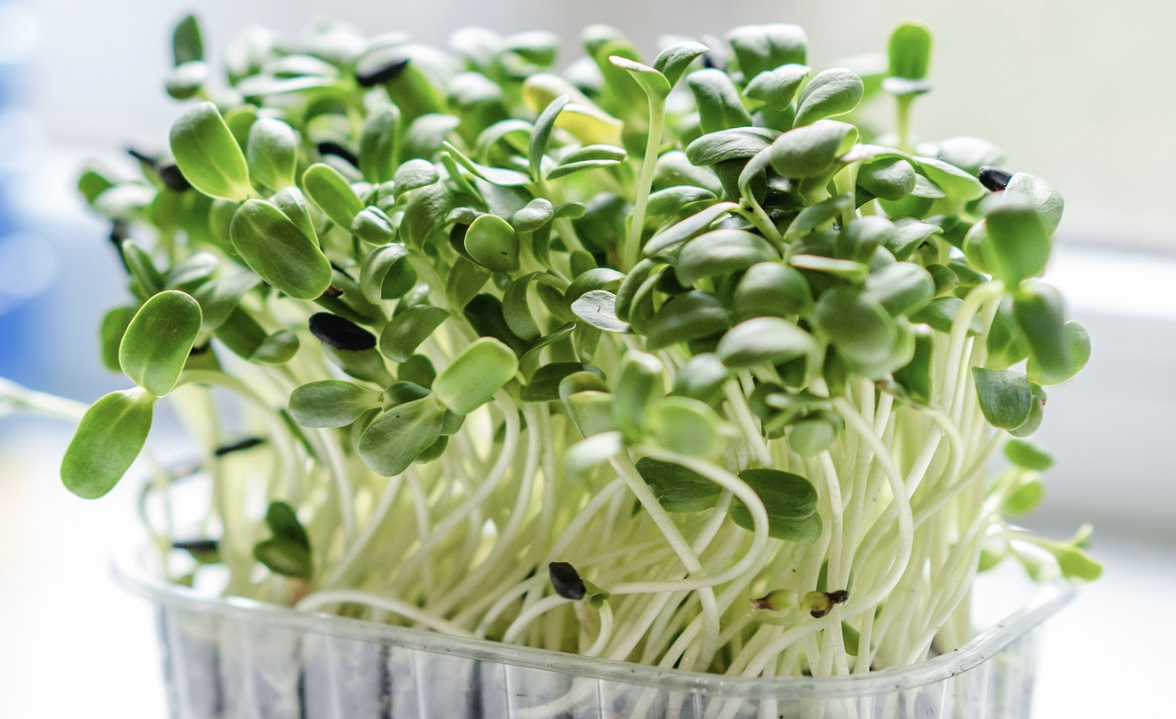
Sunflower: Thick stems and nutty flavor. Sunflowers need strong light and steady moisture. If you want a satisfying crunch, these are a top pick.
Mustard: These bring heat. If you like bold flavor, mustard microgreens add sharpness and a wasabi-like kick. They also grow quickly, often ready in 6 to 7 days.
Want more variety? Try seed mixes that combine flavor, texture, and color.
Tips for Growing a Strong First Batch
Once you’ve got your seeds, make the most of them with a few simple steps:
Use shallow trays: Microgreens don’t need deep soil. A thin layer is enough. Choose trays with good drainage.
Spread seeds evenly: Don’t pile them on. Crowding causes poor airflow and can lead to mold. Keep a thin, even layer.
Water gently from below: Instead of watering from the top, pour water into the tray base. This keeps leaves dry and helps roots grow strong.
Give them light: Place your trays near a window with bright light, or use a grow light. Most microgreens need 12–16 hours of light per day.
Harvest at the right time: Once the first true leaves show, snip them just above the soil. Rinse and enjoy right away.
Growing your first batch is easier than you think. And once you get the hang of it, you can try different types and grow fresh greens year-round.
Final Thoughts
Start simple. Pick two or three seed types and get used to the process. Each one grows a little differently, so it helps to learn what works best in your space.
Keep notes on what you liked, what grew best, and what you’d change next time. It doesn’t take long to go from beginner to confident grower.
With a small setup and the right seeds, you can enjoy fresh microgreens any time you want.