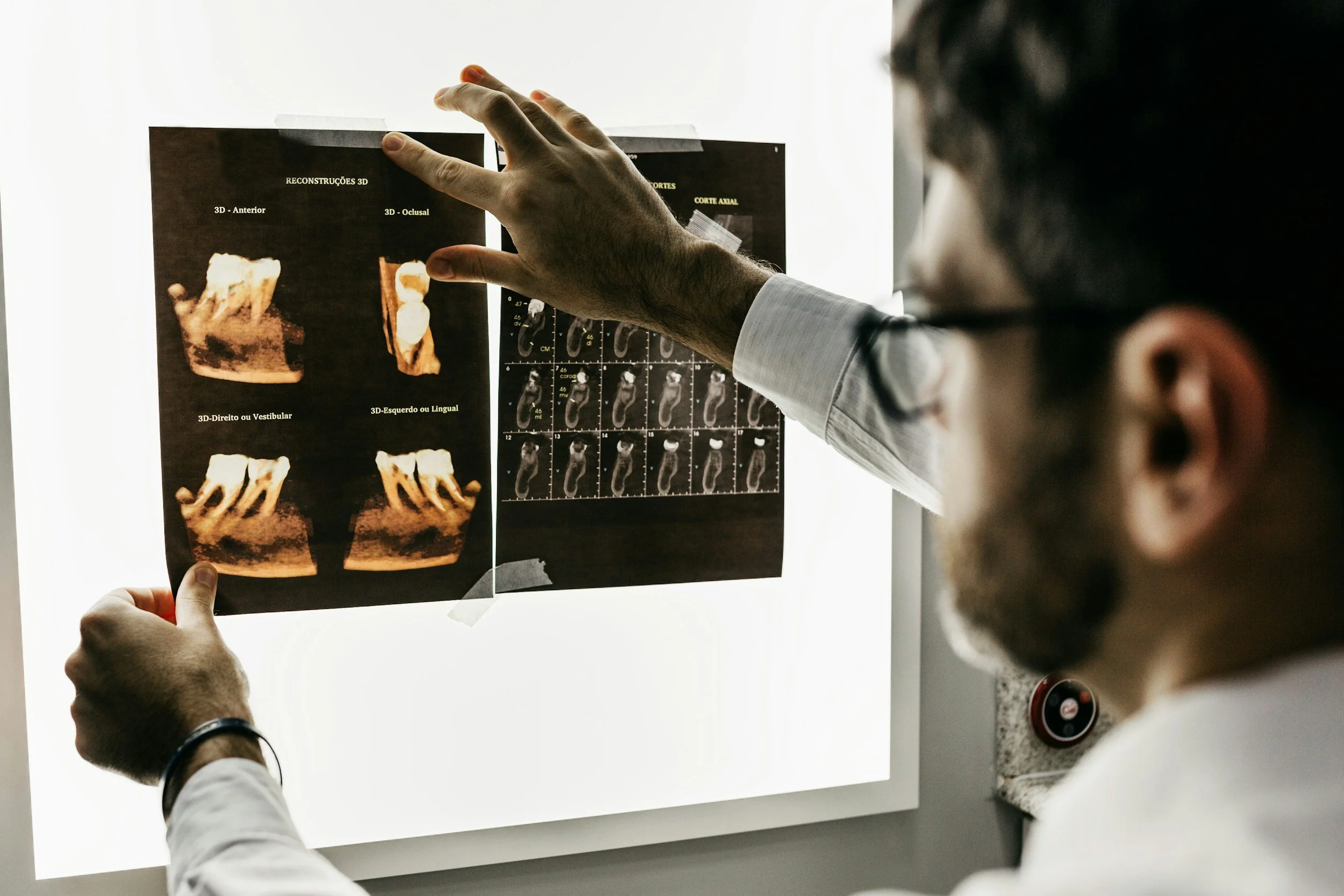
4 Important Facts About Wisdom Teeth Removal Procedures
Have you ever heard about wisdom teeth? These are the last set of molars that usually come in during a person's late teens or early twenties. For many, the arrival of wisdom teeth can lead to some challenges, and this is where wisdom teeth removal becomes necessary.
Knowing a few important facts about this procedure can help ease any worries you may have.
1. Why Are Wisdom Teeth Removed?
The most common reason for removing wisdom teeth is that there is not enough space in the mouth for them. When wisdom teeth attempt to come in, they can cause discomfort, and sometimes they grow at awkward angles, pushing against other teeth. This can lead to problems such as tooth decay or infections.
A licensed dentist can assess whether your wisdom teeth need to be removed based on their position and your dental health.
2. The Procedure: What to Expect
Understanding what happens during the wisdom teeth removal procedure can help reduce your fears. The process usually takes place in the dentist's or oral surgeon's office.
Before the procedure begins, the dentist may use anesthesia to numb the area around your wisdom teeth. This means you won't feel any pain during the operation.
The dentist will then gently remove the teeth, which might require cutting into the gums or jawbone to get them out. Once the procedure is complete, you will be given post-operative instructions to help you heal correctly. Many people feel a bit groggy after the anesthesia, so having a friend or family member to accompany you is a good idea.
3. Recovery Time and Care
After your wisdom teeth are removed, it's normal to feel some swelling and soreness in your mouth. Recovery time varies from person to person, but most people feel better within a few days.
Your dentist will give you instructions on how to care for your mouth to speed up the healing process. This may include eating soft foods, avoiding strenuous activities, and keeping up with mouth hygiene.
It's also essential to follow any specific advice regarding pain management, which might include over-the-counter medication or prescribed pain relievers. With proper care, you can ensure a smooth recovery and prevent complications such as infections.
4. The Risks Involved
As with any medical procedure, wisdom teeth removal has its risks. While complications are rare, they can include excessive bleeding, infection, or damage to surrounding teeth.
To minimize these risks, make sure to choose a licensed dentist with experience in wisdom teeth removal. It's also important to discuss any concerns you may have before the procedure so that you feel comfortable and informed.
If you believe you may need wisdom teeth removal, don't hesitate to reach out to a licensed dentist. They can help assess your situation and guide you through the process, bringing you one step closer to a healthier smile.
What You Should Remember
Wisdom teeth removal is a common dental procedure that many people go through in their late teens or early twenties. The need to remove wisdom teeth usually arises from a lack of space in the mouth or potential future problems. Understanding the procedure, what to expect afterward, and the importance of working with a qualified professional can help you feel more prepared.
You can find more useful and interesting articles on our website. Be sure to visit us and read more.