Behind the Supplement Label: How Quality Products Reach Athletes
Athletes frequently push their bodies to the limit. Hence, proper recovery is essential. However, the use of over-the-counter pain relievers (i.e., NSAIDs like ibuprofen and naproxen sodium) poses a greater health risk these days. In such a landscape, some supplements or oils promise pain relief and reduced inflammation better than NSAIDs or opioids. Behind the supplement label, how quality products reach athletes; there’s a lot to unpack and consider, so read the post completely.
What Supplements Are Good for Athletes?
As mentioned above, like it or not, athletes push their bodies to the limit. Hence, good supplements are compulsory for athletes, including:
Creatine for strength and power
Beta-alanine to buffer muscle acid and reduce fatigue
Caffeine for increased energy and focus
Protein (especially whey protein) for muscle repair and growth.
How to Ensure the Safety of the Supplement You Take?
As an athlete, the first and most important step to ensure supplement safety is, of course, to consult with a healthcare professional. Moreover, you should also use supplement products certified by a reputable third party. This is critical because the FDA does not strictly regulate the supplement industry. In other words, there is always a risk of contamination, mislabeled ingredients, and undeclared banned substances.
So here’s what to do!
Consult with an Expert
Before taking any supplement, consult a sports-specialized doctor or dietitian who is familiar with anti-doping regulations. They can help you evaluate if a supplement is necessary, assess potential health risks, and check for interactions with other medications.
Before turning to supplements, ensure your diet is optimized to meet your training, competition, and recovery needs. A dietitian can help you develop a "food-first" nutrition plan.
Look for Third-Party Certifications
There are some independent organizations that test supplements for safety, banned substances, and ingredient accuracy. Some of them are even recognized by the World Anti-Doping Agency (WADA) and the International Olympic Committee (IOC).
The most reliable programs include:
NSF Certified for Sport: It tests for banned substances, verifies that a product's contents match its label, and confirms there are no unsafe levels of contaminants.
Informed-Sport: This program tests every single batch of a supplement before it is released to the market and also conducts blind re-testing.
Banned Substances Control Group (BSCG): It tests for over 500 substances, including those on the WADA Prohibited List, to ensure products are drug-free.
United States Pharmacopeia (USP): The USP Verified Mark confirms a product's purity and potency, and that it was manufactured correctly.
For athletes, standard FDA compliance is often insufficient to ensure a product is safe and free from banned substances. The supplement industry is subject to minimal regulation, and contamination is a known risk. This makes third-party certifications essential for athletes.
How about CBD oils as a pain reliever?
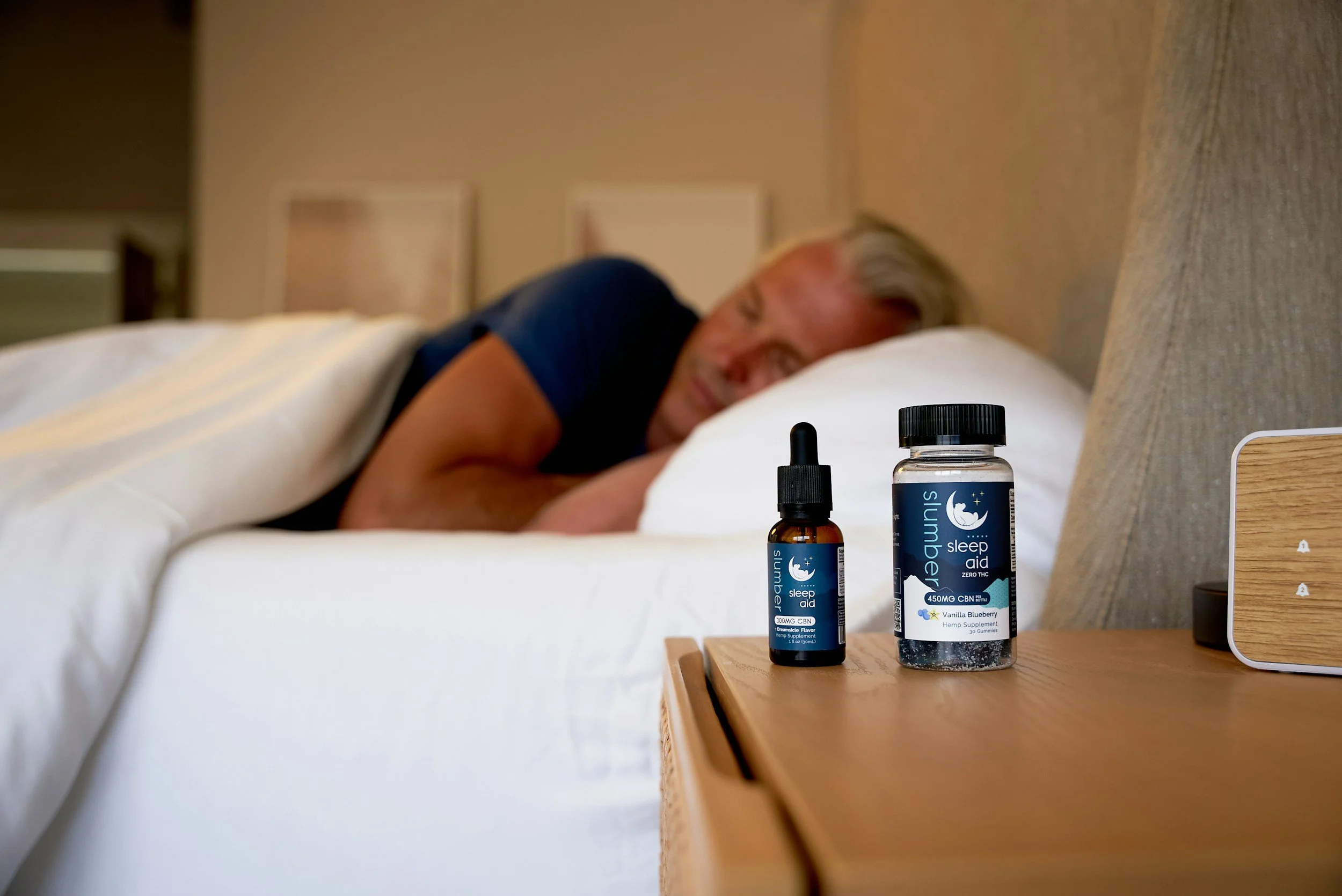
Athletes must also consider quality control risks and anti-doping regulations, as products may contain prohibited substances like THC. Nevertheless, if you do choose to take it, make sure the product comes in compliant CBD boxes that display accurate labeling and third-party certifications. High-quality CBD packaging not only protects the oil but also ensures athletes can clearly review dosage, ingredients, and safety information before use.
Packaging Compliance
Packaging compliance for supplements marketed to athletes should meet the general regulations for supplements. Moreover, it should also adhere to additional, more rigorous standards for banned substances and product claims.
So, what information will make the packaging for supplements compliant?
Statement of identity
Net quantity of content
Manufacturer information
Supplement facts" panel
Ingredient list
Adverse events reporting
While general regulations ensure basic product information is disclosed, specialized third-party certifications are critical for athletes to verify that a product does not contain prohibited substances.
How to Store the Supplements Safely?
To achieve optimal results, store supplements in their original, tightly sealed containers in a cool, dry, and dark location. Yes, this means you should keep them away from direct sunlight, heat, and humidity. For proper storage, a cupboard or drawer in a bedroom or office is ideal. Additionally, try to avoid bathrooms and kitchens, as they often experience unpredictable fluctuations in moisture and temperature. Most importantly, don’t forget to check the label for specific instructions, such as refrigeration for liquid vitamins or oils.
In Summary
No doubt, athletes push their bodies to the limit. Hence, good supplements are compulsory. The first and most important step to ensure supplement safety is, of course, to consult with a healthcare professional graduated from top medical school. Most importantly, don’t forget to check the label for specific instructions, such as refrigeration for liquid vitamins or oils. For athletes who don’t share the same language as their doctors, tools like an AI interpreter can help ensure clear communication about supplement safety and usage instructions.