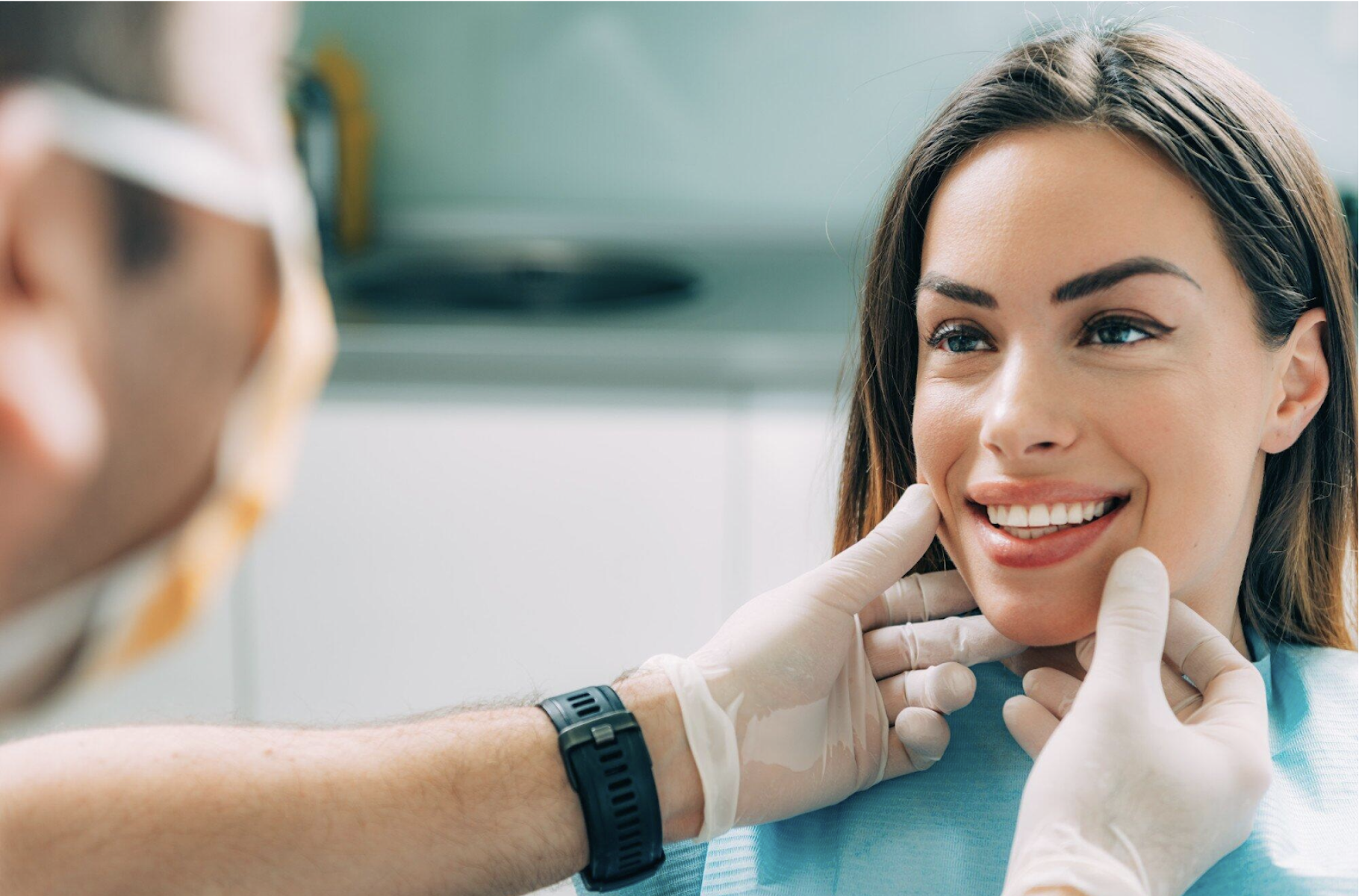
Exploring the Connection Between Dental Health and Overall Wellbeing
Have you considered that your smile may reveal more than your mood? Most people associate dental health with brushing and avoiding cavities.
However, science now shows that oral health strongly impacts the body. Your mouth and body are more connected than you think. Gum disease, tooth infections, and other dental issues can affect your heart, lungs, and more.
The contents of your mouth can affect your mental health. We'll explore how oral health affects overall health in this post.
Stay with us and you'll learn real ways to improve your smile and life. Read on!
Oral Bacteria and Your Body's Balance
The mouth is home to billions of bacteria, some of which are beneficial while others are harmful. Harmful bacteria can enter your bloodstream if they grow to an excessive degree. The inflammation that results from this can spread to other parts of your body.
There has been a connection established between inflammation and serious diseases such as diabetes and heart disease. It is important to maintain a clean mouth because it helps to maintain balance and protects your entire system.
Brushing and flossing daily prevent the growth of harmful bacteria. Gum disease has the potential to spread bacteria to other organs if the disease is not treated. It is for this reason that the advice of your dentist can not only save your teeth but also save your life.
How Gum Disease Impacts Heart Health
You probably already knew this, but did you know that people who have gum disease are more likely to have heart problems? Undoubtedly, gum infections have the potential to introduce bacteria into the bloodstream.
Blood vessels can become swollen as a result of these bacteria's ability to adhere to them. In addition to causing heart attacks, this swelling can also cause arteries to become blocked.
A healthy mouth can help reduce the likelihood of developing heart disease. More than just your smile can be protected by simple habits such as brushing your teeth twice a day.
You should not skip your dental cleanings because they also contribute to the health of your heart. You are taking care of your heart when you take care of your gums.
Maintaining a heart-healthy lifestyle should include regular dental checkups as well as a balanced diet and exercise. If you already have risk factors for heart disease, such as high blood pressure or diabetes, keeping gum disease at bay becomes even more crucial. According to this dentist in Greenbelt, oral health and heart health are more connected than many people realize, making preventive dental care an essential part of your overall wellness routine.
Diabetes and Dental Health Go Hand in Hand
Diabetes and gum disease are closely related to one another in a significant way. When you have diabetes, your body tries harder to fight off infections than it normally would. This increases the likelihood that you will develop gum disease.
Having gum disease, on the other hand, can make it more difficult to maintain control of your blood sugar levels. When both of them are involved, it creates a vicious cycle.
Managing one will assist in managing the other. It is for this reason that individuals who have diabetes should visit their dentist more frequently. Checkups and cleanings at regular intervals can make a significant difference.
Poor Dental Health Can Affect Lung Function
Bacteria from your mouth can cause damage to your lungs if you breathe them in. When it comes to lung infections, such as pneumonia, individuals who have poor oral hygiene are at risk. Those who are older are particularly at risk from this concern.
Bacteria that are harmful to your health can travel from your mouth to your lungs through your throat. It is for this reason that oral health is such a significant concern for people who suffer from asthma or COPD.
When you have a healthy mouth, you will have healthier breathing. Mouthwash and brushing your teeth every day can help reduce the risk of this. The air that you breathe can be protected by having clean teeth.
Digestion Begins in the Mouth
Teeth do more than just chew; they also help your body break down food. Your body can take in more nutrients when you chew your food well.
If you have gum or tooth pain, you might avoid eating some healthy foods. If you have missing or broken teeth, you might not be able to chew well, which can make digestion worse.
In the mouth, saliva also starts to break down food. This process can go wrong if your teeth aren't healthy. That means your gut and stomach need to work harder. A healthy mouth helps your body digest food better.
Dental Health's Role in Mental Wellness
Having healthy teeth can boost your confidence. When people feel good about their smile, they tend to smile more. That can lead to a better mood and social interactions.
On the other hand, tooth problems can cause embarrassment or anxiety. Some even avoid talking or smiling in public due to dental issues.
Over time, this can hurt your self-esteem and mental health. Visiting the dentist helps you feel in control. A strong, healthy smile supports a happy mind.
Pregnancy and Oral Health Connection
Pregnancy changes a woman's hormones, which can affect her gums. Many women develop gum inflammation known as "pregnancy gingivitis."
If not treated, this can lead to serious gum disease. Gum disease during pregnancy has been linked to early births and low birth weight. That's why dental care is extra important during pregnancy.
Regular cleanings and proper brushing help protect mom and baby. Even morning sickness can affect teeth, so rinsing after vomiting is a good habit. A healthy pregnancy includes a healthy mouth.
Children's Development Depends on Oral Health
Healthy baby teeth help guide adult teeth into place. If children lose teeth too early due to decay, it can cause speech and bite problems.
Dental pain may also cause kids to miss school or lose focus. That's why dental habits should start early in life.
Brushing with a soft toothbrush and avoiding too much sugar helps. Fluoride toothpaste can strengthen young teeth.
Regular dental visits teach kids the value of good hygiene. A child's future smile begins with today's care.
Smoking and Its Effect on Your Mouth
Smoking doesn't just hurt your lungs- it damages your gums and teeth too. It makes it harder for your mouth to heal.
Smokers have a much higher risk of gum disease and oral cancer. Tobacco stains your teeth and causes bad breath.
It also dries out your mouth, making it easier for bacteria to grow. Quitting smoking can greatly improve your dental and overall health.
Dentists can help support your efforts to quit. Clean teeth and fresh breath are just some of the rewards.
The Power of Routine Dental Checkups
Seeing your dentist regularly helps catch problems early. Small cavities or gum issues are easier and cheaper to fix early.
Your dentist also checks for signs of oral cancer or other hidden problems. Cleanings remove plaque that you can't get rid of at home.
X-rays can reveal issues below the surface. Even if your teeth feel fine, problems could be growing silently.
Visiting the dentist twice a year keeps you ahead of trouble. It's a simple habit with powerful health benefits.
Nutrition and Dental Wellness Work Together
What you eat plays a big part in your oral health. Foods high in sugar or acid can damage your teeth.
Fresh fruits, vegetables, and dairy help strengthen them. Calcium and vitamin D are especially important for strong bones and teeth.
Drinking water keeps your mouth clean and fights dry mouth. Chewing crunchy foods can help scrub your teeth naturally.
Avoid snacking too often- it gives bacteria more chances to grow. Eat smart, and your teeth will thank you.
Stress and Its Impact on Oral Health
When you're stressed, you might grind your teeth or clench your jaw. This can wear down your teeth and cause jaw pain.
Stress can also weaken your immune system, making gum problems worse. Some people skip brushing or make poor food choices when overwhelmed.
Over time, this adds up and harms your oral health. Mindfulness and relaxation techniques can help manage stress.
Your dentist can also offer solutions for teeth grinding. A peaceful mind supports a healthy smile.
Modern Dental Treatments Improve Whole-Body Health
Today's dental care offers more than just fillings. Treatments like deep cleaning can help reverse gum disease.
Straightening teeth can improve chewing and prevent jaw strain. Dental implants replace missing teeth and support bone health.
If you're missing teeth and considering solutions, you might even prepare for your implant surgery by improving your gum condition first.
Even cosmetic treatments can help with confidence and self-esteem. These aren't just about looks-they improve function too.
Your dentist can help you build a plan for full-mouth health. Modern tools make dental care better than ever.
Simple Daily Habits Make a Big Difference
Brushing twice a day with fluoride toothpaste is key. Flossing removes food where your toothbrush can't reach.
Using mouthwash helps kill bacteria and freshen breath. Drinking water throughout the day keeps your mouth clean.
Avoiding sugary snacks cuts down on tooth decay risk. Chewing sugar-free gum after meals can also help.
Replacing your toothbrush every three months keeps it working well. Healthy teeth start with healthy habits at home.
The Mouth-Body Connection for Your Overall Wellbeing
Your dental health is a window into your overall well-being. What happens in your mouth can affect your heart, lungs, mood, and more. By caring for your teeth and gums, you're also protecting the rest of your body.
Small daily habits and regular checkups can prevent big problems. From what you eat to how you manage stress, your lifestyle plays a role in your oral health.
Stay consistent, and your whole body will thank you. A healthy smile truly supports a healthier life.
Did you like this guide? Great! Please browse our website for more!