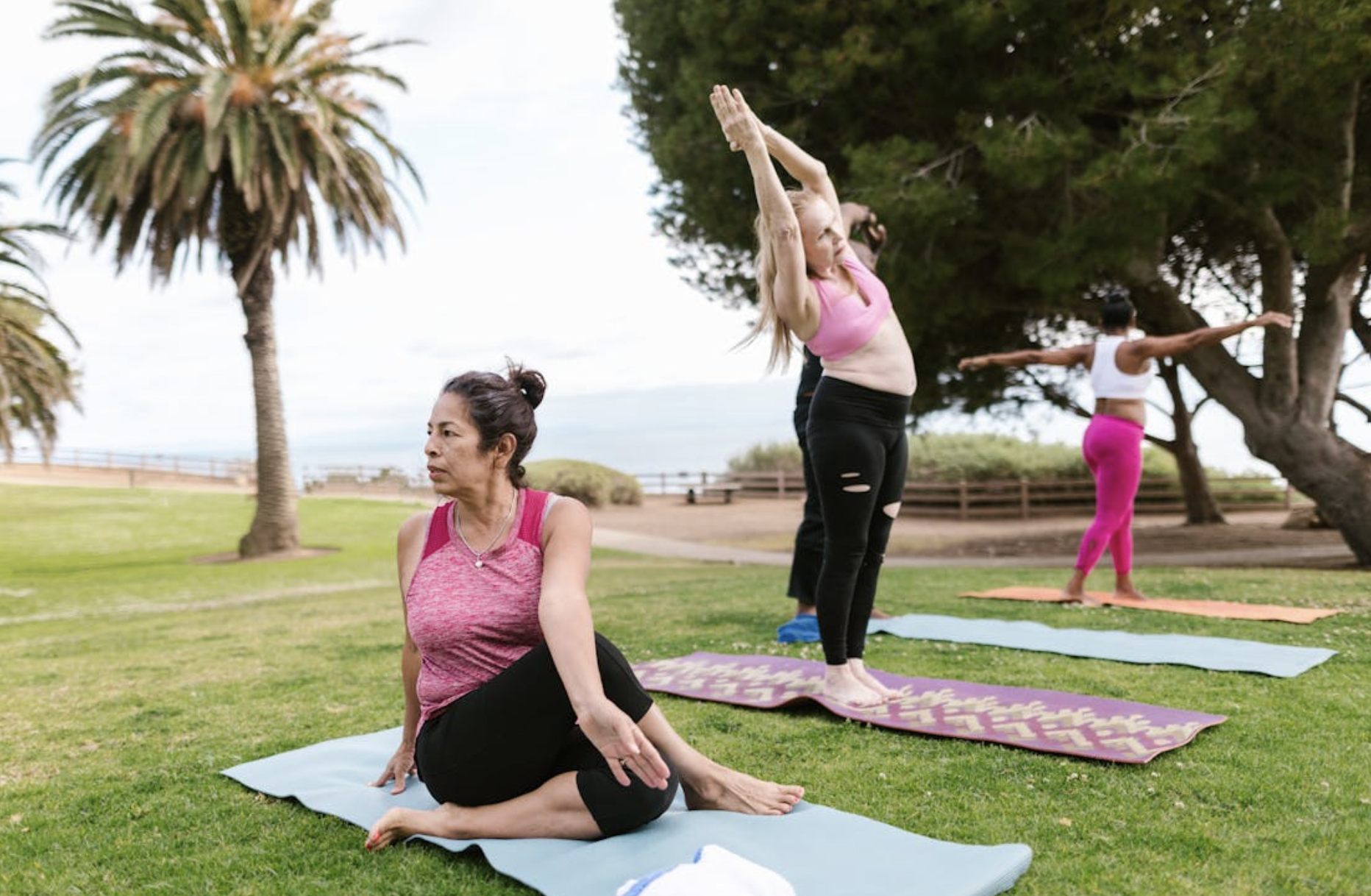
Easy Grounding Techniques for Elderly to Reduce Anxiety
Anxiety is common as people age. Health changes, the loss of loved ones, or moving to a new home can all raise worry and fear. These feelings are real and can be hard to handle.
The good news is that there are simple tools that help calm the mind and body. One helpful set of tools is called grounding techniques. Grounding brings attention back to the present, where life feels steadier and safer.
Read further to uncover helpful tips below.
What Are Grounding Techniques?
Grounding techniques are ways to shift focus from racing thoughts to what is happening right now. They use the senses, what you can see, hear, touch, smell, and taste, to steady the mind. When anxiety grows, the mind often jumps ahead or replays the past.
Grounding slows that spiral. It creates space to breathe, think clearly, and make small, healthy choices. For many older adults, grounding also builds confidence and a sense of control.
Mindful Breathing Made Simple
Breathing is the easiest place to start. Sit in a comfortable chair with your feet on the floor. Close your eyes if you like.
Take a slow, nasal breath. Breathe out slowly through your lips. Pay attention to how your chest rises and falls.
If thoughts pop up, that is normal. Let them pass like clouds and return to the breath. Even two or three minutes can ease a tense body and a busy mind. With practice, this becomes a steady habit you can use anywhere.
Gentle Movement and Walking With Attention
Slow, mindful walking can also calm the nervous system. Stand tall, relax your shoulders, and take small steps. Feel your heel touch the ground, then your toes.
Notice the air on your skin and the sounds around you. If walking outside, observe a tree, a cloud, or a patch of sunlight. If walking indoors, trace a short path down a hallway.
The goal is not speed or distance. The goal is steady, safe movement with kind attention to each step.
Making Grounding Part of Daily Life
Practice works best when it becomes routine. Choose a time and do a short grounding exercise. Many people find that grounding techniques for seniors work especially well when done consistently.
Ask a family member or friend to join you. Shared practice makes it easier to keep going and can turn into a peaceful daily ritual. Be patient with yourself.
New skills can feel awkward at first, but with steady effort, they become natural. If anxiety remains strong or disrupts sleep, appetite, or daily tasks, speak with a counselor or healthcare provider. A professional can tailor techniques to your needs.
A Path Toward Calm
Grounding techniques give older adults practical ways to meet anxiety with care. By returning to the breath, the senses, and gentle movement, the mind settles and the body softens. Caregivers can support this by joining in, offering reminders, and celebrating small wins.
Peace grows one present moment at a time. Start today, practice a little each day, and let these simple tools guide you toward steady calm and well-being.
Don't stop here. Explore our blog for more expert advice and ideas!