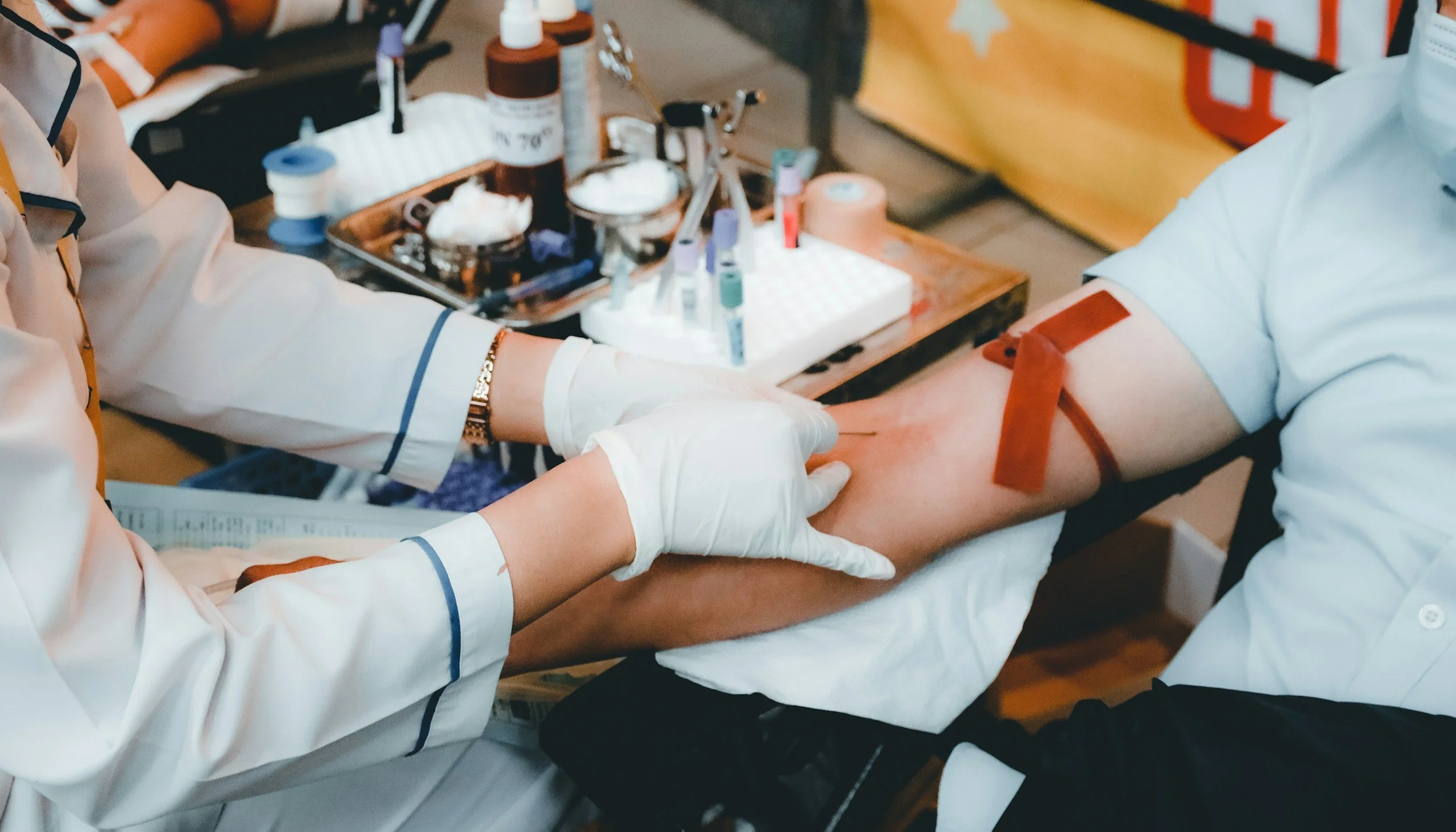
Hematology Recovery and Follow-up: A Complete Guide to Post-Treatment Care
Hematological conditions, whether benign or cancer-related, often require specialized medical care, advanced treatments, and long-term monitoring. However, treatment is only one part of the journey. Proper recovery and structured follow-up care are equally essential to ensure lasting health and prevent complications. Understanding HEMATOLOGY Recovery and Follow-up helps patients stay informed, confident, and proactive after completing their primary treatment.
Leading institutions like Liv Hospital provide comprehensive hematology services that focus not only on treatment but also on structured recovery plans and continuous patient monitoring.
Why Recovery and Follow-up Matter in Hematology
Blood disorders affect critical body systems, including oxygen transport, immunity, and clotting mechanisms. After treatment—whether chemotherapy, medication therapy, transfusions, or stem cell transplantation—the body needs time and structured care to regain balance.
Recovery and follow-up care aim to:
Monitor treatment effectiveness
Detect early signs of relapse
Manage side effects
Restore immune function
Improve overall quality of life
Without proper follow-up, minor complications can go unnoticed and develop into serious issues.
The Recovery Phase After Hematology Treatment
Recovery varies depending on the type of blood disorder and the treatment received. Some patients recover within weeks, while others require months or even years of monitoring.
1. Physical Recovery
After intensive treatments such as chemotherapy or bone marrow transplantation, patients may experience:
Fatigue
Weakness
Low immunity
Hair loss
Appetite changes
Increased risk of infection
Gradually, the body begins to regenerate healthy blood cells. Regular blood tests are conducted to ensure that red blood cells, white blood cells, and platelets return to safe levels.
2. Immune System Rebuilding
Many hematology treatments temporarily suppress the immune system. During recovery:
Vaccinations may be re-administered
Infection prevention strategies are emphasized
Patients are advised to avoid crowded environments initially
Doctors carefully monitor white blood cell counts to track immune system recovery.
3. Emotional and Psychological Recovery
The emotional impact of blood disorders should not be underestimated. Anxiety about relapse, physical appearance changes, and treatment fatigue can affect mental health.
Supportive care may include:
Counseling services
Support groups
Stress management techniques
Family education programs
Holistic recovery addresses both physical and emotional well-being.
HEMATOLOGY Recovery and Follow-up Care Plans
A structured follow-up plan is essential for long-term stability. Patients can explore detailed care strategies under HEMATOLOGY Recovery and Follow-up services, where personalized programs are designed according to individual medical history and treatment type.
Follow-up care typically includes:
Scheduled blood tests
Imaging studies (if necessary)
Bone marrow evaluations
Medication adjustments
Lifestyle recommendations
Each plan is tailored to the patient’s diagnosis, age, and risk factors.
Monitoring for Relapse or Complications
One of the main goals of follow-up care is early detection of relapse. Certain blood cancers and chronic conditions can return if not carefully monitored.
Doctors look for:
Abnormal blood count changes
Unusual symptoms
Swollen lymph nodes
Persistent fatigue or bleeding issues
Early detection significantly improves the chances of successful secondary treatment.
Managing Long-Term Side Effects
Some hematology treatments may cause long-term or delayed side effects. These can include:
Hormonal imbalances
Cardiovascular issues
Bone density loss
Fertility concerns
Neuropathy
Follow-up visits allow healthcare providers to identify and manage these conditions promptly. Preventive screenings may also be recommended to reduce long-term risks.
Nutrition and Lifestyle During Recovery
Proper nutrition plays a critical role in rebuilding blood cells and strengthening immunity. Patients are often advised to:
Consume iron-rich foods
Increase protein intake
Stay hydrated
Limit processed foods
Avoid smoking and alcohol
Physical activity is gradually reintroduced based on the patient’s energy levels and medical advice.
Balanced routines help accelerate healing and improve overall vitality.
The Role of Multidisciplinary Care
Hematology recovery often requires a team-based approach. A multidisciplinary care team may include:
Hematologists
Oncologists
Nutritionists
Psychologists
Physical therapists
This collaborative approach ensures comprehensive patient support throughout the recovery journey.
Frequency of Follow-up Visits
Follow-up schedules vary based on diagnosis and treatment type:
First year: Visits may occur every 1–3 months
Second year: Every 3–6 months
Long-term: Annual monitoring for stable patients
Patients who have undergone stem cell transplantation may require more frequent monitoring in the early stages.
Consistency is key to ensuring stable recovery.
Personalized Monitoring Through Advanced Technology
Modern hematology centers utilize advanced diagnostic tools for precise monitoring, including:
Molecular testing
Minimal residual disease (MRD) analysis
Genetic screening
Digital health tracking systems
These innovations allow doctors to detect microscopic disease changes before symptoms appear.
Patient Education and Self-Monitoring
Recovery does not only depend on hospital visits. Patients play an active role in monitoring their health.
They are encouraged to report:
Unusual bruising or bleeding
Persistent infections
Sudden fatigue
Fever or chills
Awareness of warning signs enables early medical intervention.
Long-Term Outlook After Hematology Treatment
Thanks to advancements in medical science, many hematological disorders now have high survival and remission rates. With proper follow-up care, patients can return to normal life activities, including work and family responsibilities.
Ongoing research continues to improve recovery protocols, reduce treatment side effects, and enhance long-term outcomes.
Final Thoughts
Successful treatment is only the beginning of the journey. Proper HEMATOLOGY Recovery and Follow-up ensures sustained health, early complication detection, and improved quality of life. Structured monitoring, lifestyle adjustments, emotional support, and personalized care plans together create a strong foundation for long-term well-being.
In addition to medical follow-up, maintaining a healthy lifestyle plays a crucial role in recovery. For practical wellness tips and guidance on balanced living, you can visit live and feel, a platform dedicated to promoting healthier everyday habits.