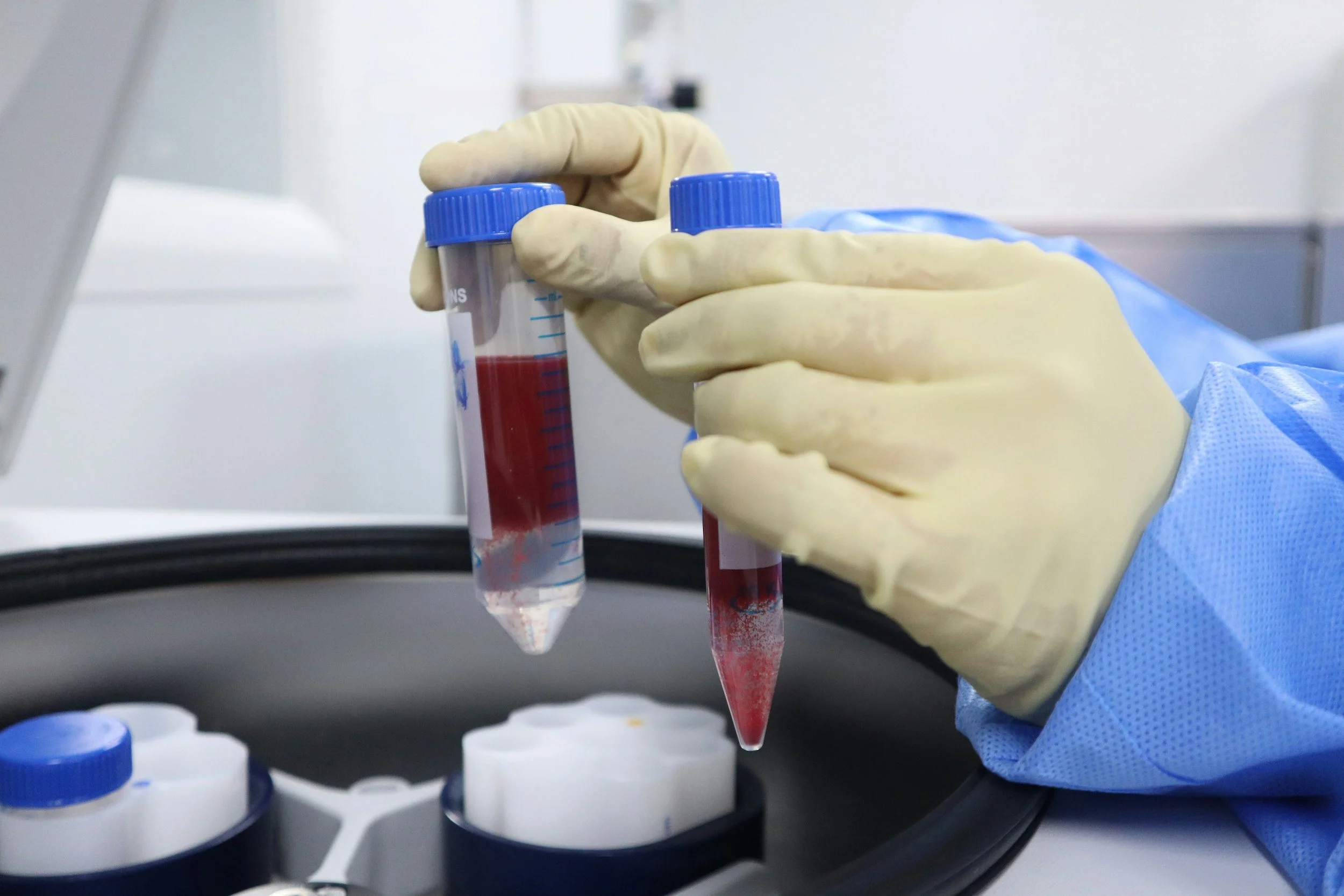
Hematology Symptoms and Risk Factors: A Complete Informative Guide
Hematology is a specialized branch of medicine that focuses on blood, blood-forming organs, and blood-related diseases. Since blood circulates throughout the entire body, any imbalance or disorder can affect multiple organs and systems. Understanding HEMATOLOGY Symptoms and Risk Factors is essential for early detection, timely treatment, and better long-term health outcomes.
Blood disorders may range from mild nutritional deficiencies to serious conditions such as leukemia, lymphoma, clotting disorders, and bone marrow diseases. Early awareness can make a significant difference in treatment success.
What Is Hematology?
Hematology studies the structure, function, and diseases of blood. Blood is made up of three main components:
1. Red Blood Cells (RBCs)
Red blood cells carry oxygen from the lungs to the rest of the body. When RBC levels are low, it may lead to anemia, causing fatigue and weakness.
2. White Blood Cells (WBCs)
White blood cells protect the body from infections. Abnormal WBC levels can weaken immunity or signal serious illnesses like leukemia.
3. Platelets
Platelets help in blood clotting. If platelet levels are too low or too high, it can cause abnormal bleeding or dangerous clots.
Specialized healthcare institutions such as Liv Hospital provide advanced diagnostic and treatment services for blood-related disorders. Their hematology departments focus on early detection and personalized treatment strategies.
Common Hematology Symptoms and Risk Factors
Recognizing symptoms early is the first step toward prevention and proper treatment. Blood disorders often show warning signs that should never be ignored.
You can also read detailed medical information directly on the official page about for professional insights and expert guidance.
1. Persistent Fatigue
One of the most common signs of blood disorders is ongoing tiredness. Anemia reduces oxygen delivery to body tissues, leading to weakness, dizziness, and lack of energy.
2. Frequent Infections
If white blood cells are abnormal or low, the immune system becomes compromised. This may result in repeated infections, fevers, or slow healing.
3. Easy Bruising or Bleeding
Platelet disorders can cause:
Frequent nosebleeds
Bleeding gums
Heavy menstrual cycles
Bruises without injury
These symptoms may indicate clotting issues or bone marrow disorders.
4. Pale or Yellow Skin
Pale skin may suggest anemia, while yellowing (jaundice) may indicate rapid breakdown of red blood cells.
5. Swollen Lymph Nodes
Enlarged lymph nodes in the neck, armpits, or groin can be associated with lymphoma or other blood cancers.
6. Shortness of Breath
Low red blood cell levels reduce oxygen supply, causing breathlessness even during mild activity.
7. Unexplained Weight Loss
Sudden weight loss without dietary changes can be linked to serious hematological conditions and should be evaluated by a specialist.
Major Risk Factors for Hematological Disorders
While some blood conditions are unavoidable, others are influenced by environmental or lifestyle factors.
1. Genetic Factors
Certain blood disorders such as sickle cell anemia and thalassemia are inherited. A family history increases risk.
2. Age
Some blood cancers are more common in older adults, while inherited conditions may appear in childhood.
3. Chemical and Radiation Exposure
Long-term exposure to chemicals, pesticides, or radiation increases the risk of leukemia and other blood diseases.
4. Autoimmune Diseases
Conditions such as lupus or rheumatoid arthritis may affect blood cell production and function.
5. Nutritional Deficiencies
Low iron, vitamin B12, or folic acid levels can lead to anemia and other abnormalities.
6. Chronic Infections
Certain viral infections may increase the risk of lymphoma or bone marrow disorders.
When Should You See a Hematology Specialist?
Consult a doctor if you experience:
Ongoing fatigue
Unusual bruising or bleeding
Frequent infections
Swollen lymph nodes
Unexplained weight loss
Diagnostic tests may include:
Complete Blood Count (CBC)
Bone marrow biopsy
Clotting profile tests
Genetic analysis
Healthcare centers like Liv Hospital offer advanced laboratory services and comprehensive treatment options tailored to each patient’s condition.
Prevention and Healthy Lifestyle Tips
Although not all blood disorders can be prevented, certain habits can reduce risk:
Eat a balanced diet rich in iron and vitamins
Stay physically active
Avoid smoking and excessive alcohol
Minimize exposure to harmful chemicals
Schedule regular medical check-ups
Maintaining awareness of HEMATOLOGY Symptoms and Risk Factors helps in taking proactive steps toward better health.
Final Thoughts
Hematology plays a crucial role in maintaining overall health because blood supports every organ system in the body. Ignoring early warning signs may lead to serious complications. Timely diagnosis, proper medical guidance, and healthy lifestyle choices significantly improve outcomes for patients with blood disorders.
For broader lifestyle guidance and wellness-focused content that supports your overall health journey, you can also explore live and feel in the last stage of your research to complement your medical knowledge with practical daily wellness advice.
Staying informed today can protect your health tomorrow.