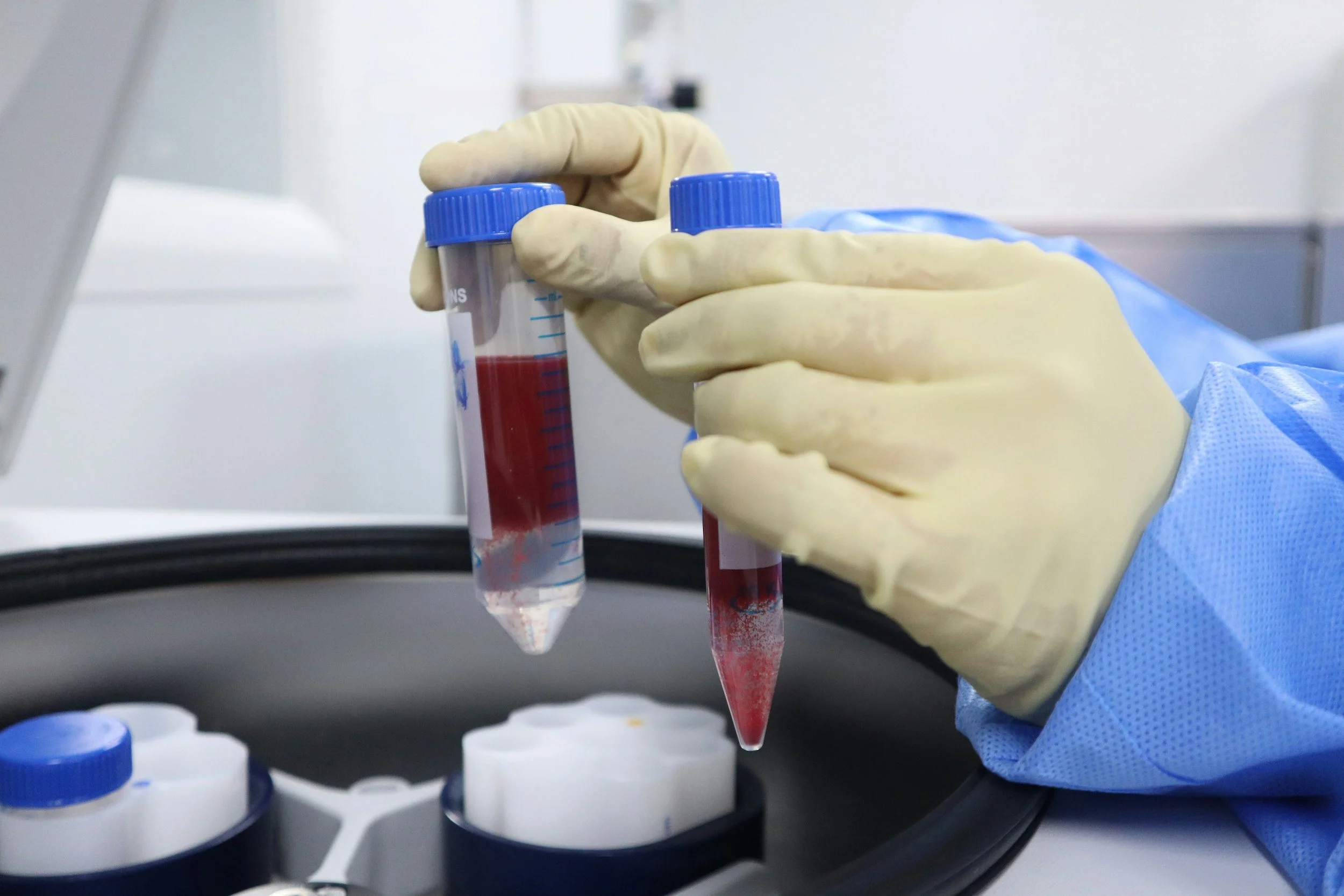
Hematology Diagnosis and Evaluation: A Complete Guide to Blood Health
Blood plays a vital role in keeping the human body healthy. It carries oxygen, nutrients, hormones, and immune cells throughout the body while removing waste products. When something goes wrong with blood cells or related organs, it can significantly affect overall health. This is where HEMATOLOGY Diagnosis and Evaluation becomes essential.
Hematology is the branch of medicine focused on the study of blood, blood-forming organs, and blood disorders. Through proper diagnosis and evaluation, doctors can detect, monitor, and treat a wide range of conditions—from simple anemia to complex blood cancers.
In this article, we will explore how hematology diagnosis works, what tests are involved, and why early evaluation is critical for effective treatment.
What Is Hematology?
Hematology is a medical specialty that examines disorders related to:
Red blood cells
White blood cells
Platelets
Bone marrow
Lymphatic system
Clotting mechanisms
Conditions commonly diagnosed through hematology evaluation include anemia, clotting disorders, infections, immune system disorders, leukemia, lymphoma, and other blood cancers.
Specialized healthcare institutions such as Liv Hospital provide advanced hematology services using modern laboratory technology and expert clinical assessment to ensure accurate diagnosis and personalized care.
Why Hematology Diagnosis and Evaluation Is Important
Blood disorders often develop silently. Many patients may experience vague symptoms such as fatigue, bruising, fever, or unexplained weight loss without realizing the underlying cause is blood-related.
Early HEMATOLOGY Diagnosis and Evaluation helps:
Detect diseases at an early stage
Identify the exact type and severity of the disorder
Guide personalized treatment planning
Monitor response to therapy
Prevent complications
Accurate evaluation is especially critical in serious conditions such as leukemia or clotting disorders, where timely intervention can significantly improve outcomes.
For detailed information about specialized services, you can visit the official page on HEMATOLOGY Diagnosis and Evaluation.
Common Symptoms That Require Hematology Evaluation
A doctor may recommend hematological testing if a patient experiences:
Persistent fatigue or weakness
Pale or yellowish skin
Frequent infections
Easy bruising or bleeding
Swollen lymph nodes
Unexplained fever
Shortness of breath
Abnormal blood test results
Even routine health checkups sometimes reveal irregularities in blood counts, prompting further evaluation.
The Diagnostic Process in Hematology
1. Medical History and Physical Examination
The first step involves a comprehensive review of symptoms, family history, lifestyle habits, and previous medical conditions. Doctors may check for enlarged lymph nodes, spleen enlargement, or signs of anemia.
2. Laboratory Blood Tests
Blood tests are the cornerstone of hematology diagnosis. Common tests include:
Complete Blood Count (CBC)
Measures:
Red blood cell count
White blood cell count
Platelet count
Hemoglobin levels
Hematocrit
A CBC provides essential clues about infections, anemia, leukemia, or clotting disorders.
Peripheral Blood Smear
A microscope examination of blood cells to assess shape, size, and abnormalities.
Coagulation Tests
These evaluate blood clotting ability and help diagnose bleeding disorders or thrombosis.
3. Advanced Diagnostic Tests
When initial tests indicate abnormalities, advanced evaluations may be required.
Bone Marrow Aspiration and Biopsy
This procedure examines bone marrow to detect leukemia, lymphoma, or bone marrow failure syndromes.
Flow Cytometry
Used to identify specific types of blood cancer by analyzing cell markers.
Genetic and Molecular Testing
Modern hematology often involves genetic profiling to detect mutations linked to blood cancers or inherited disorders. These tests help tailor targeted therapies.
Hematologic Conditions Commonly Diagnosed
Anemia
A condition characterized by low red blood cell count or hemoglobin. It may result from iron deficiency, chronic disease, or bone marrow disorders.
Leukemia
A cancer of blood-forming tissues that produces abnormal white blood cells.
Lymphoma
Cancer affecting the lymphatic system.
Thalassemia and Sickle Cell Disease
Inherited blood disorders affecting hemoglobin production.
Clotting Disorders
Conditions like hemophilia or deep vein thrombosis result from abnormal clotting mechanisms.
Early and precise diagnosis ensures that patients receive condition-specific treatment strategies.
The Role of Technology in Modern Hematology
Modern hospitals utilize advanced imaging, molecular diagnostics, and digital pathology systems to improve accuracy.
Leading institutions such as Liv Hospital integrate laboratory expertise with multidisciplinary teams, including oncologists, pathologists, and radiologists. This collaborative approach ensures that patients receive comprehensive evaluation and individualized care plans.
Personalized Treatment Planning
After completing diagnostic evaluation, hematologists develop customized treatment strategies. These may include:
Iron supplementation for anemia
Blood transfusions
Chemotherapy
Targeted therapy
Immunotherapy
Bone marrow transplantation
Anticoagulant medications
The effectiveness of treatment depends heavily on the precision of the initial diagnosis.
Monitoring and Follow-Up
Hematology evaluation does not end with diagnosis. Continuous monitoring is necessary to:
Track disease progression
Evaluate treatment response
Adjust medications
Detect relapse early
Regular blood tests and follow-up appointments are essential components of long-term care.
Preventive Screening and Risk Assessment
Individuals with a family history of blood disorders, unexplained symptoms, or abnormal routine lab results should seek evaluation early. Preventive screening can detect issues before they become severe.
Maintaining a healthy lifestyle, balanced nutrition, and routine health checkups can reduce the risk of certain blood-related conditions.
The Connection Between Blood Health and Overall Wellness
Blood health influences nearly every system in the body. From immune defense to oxygen delivery, balanced blood components are essential for vitality and longevity.
Beyond medical evaluation, adopting a holistic lifestyle approach can support overall well-being. For helpful insights into improving your daily habits, nutrition, and wellness strategies, you can explore our lifestyle platform live and feel where health and balanced living are discussed in depth.
Final Thoughts
Hematology Diagnosis and Evaluation is a critical medical process that ensures early detection, accurate diagnosis, and effective management of blood disorders. Through comprehensive testing, advanced technology, and expert medical teams, patients can receive timely and life-saving treatment.
If you or a loved one experiences symptoms related to blood abnormalities, seeking professional hematological evaluation can make a significant difference. Early diagnosis not only improves treatment success but also enhances long-term health outcomes.
Understanding your blood health today can protect your future tomorrow.