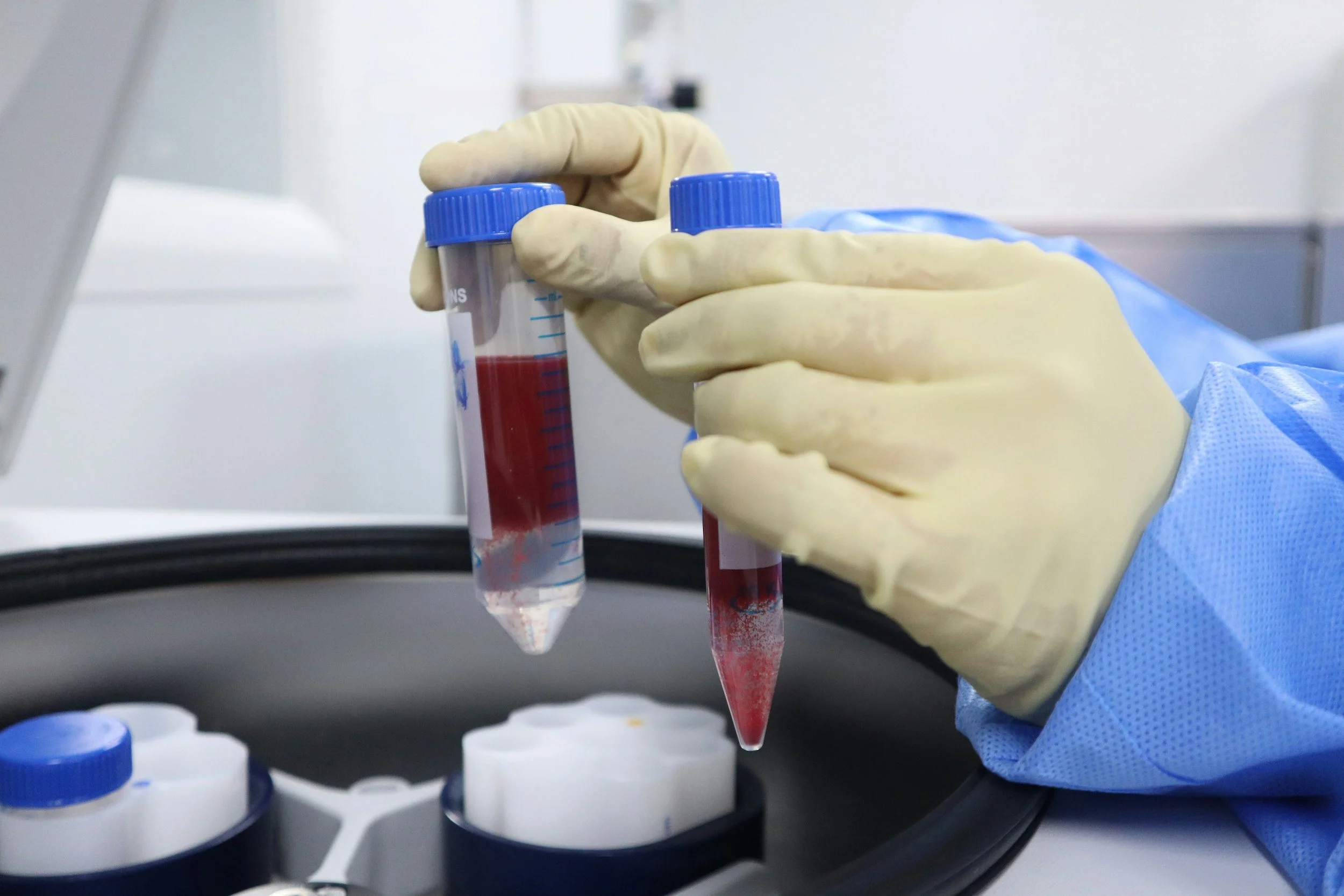
Immunology Symptoms and Immune Disorders: A Complete Guide to Understanding Your Immune Health
The human immune system is a powerful and complex defense network designed to protect the body from infections, viruses, bacteria, and harmful substances. However, when this system becomes weakened, overactive, or dysfunctional, it can lead to a wide range of immune disorders. Understanding IMMUNOLOGY Symptoms and Immune Disorders is essential for early diagnosis, proper treatment, and long-term health management.
In this comprehensive guide, we will explore how the immune system works, common symptoms of immune-related conditions, types of immune disorders, diagnostic methods, and available treatments.
What Is Immunology?
Immunology is a branch of medical science that focuses on the immune system and its functions. It studies how the body defends itself against pathogens and how immune-related diseases develop when the system does not function correctly.
Specialized departments such as Liv Hospital provide advanced diagnostic and treatment services for patients dealing with immune disorders, allergies, autoimmune diseases, and immunodeficiency conditions.
How the Immune System Works
The immune system consists of organs, tissues, cells, and proteins that work together to identify and eliminate harmful invaders. Key components include:
White blood cells (lymphocytes, neutrophils, macrophages)
Antibodies
Lymph nodes
Spleen
Bone marrow
Thymus gland
There are two primary types of immunity:
Innate Immunity – The body’s first line of defense, providing immediate protection.
Adaptive Immunity – A specialized response that develops memory against specific pathogens.
When this system operates correctly, it maintains balance. However, disruptions can lead to immune disorders.
Common Immunology Symptoms and Immune Disorders
Recognizing the early signs of immune dysfunction can significantly improve treatment outcomes. Below are common symptoms associated with immune disorders:
1. Frequent Infections
Recurring sinus infections, pneumonia, bronchitis, or ear infections may indicate an underlying immunodeficiency.
2. Chronic Fatigue
Persistent tiredness that does not improve with rest can signal autoimmune conditions.
3. Autoimmune Reactions
When the immune system mistakenly attacks healthy tissues, it may cause:
Joint pain
Skin rashes
Thyroid dysfunction
Digestive problems
4. Allergic Reactions
An overactive immune response to harmless substances can result in:
Sneezing
Skin irritation
Swelling
Breathing difficulties
5. Slow Wound Healing
If cuts and injuries take longer than usual to heal, immune dysfunction may be present.
For a detailed medical overview, you can explore Immunology Symptoms and Immune Disorders at Liv Hospital
Types of Immune Disorders
Immune disorders generally fall into three main categories:
1. Autoimmune Diseases
These occur when the immune system attacks the body’s own tissues. Examples include:
Rheumatoid arthritis
Lupus
Multiple sclerosis
Type 1 diabetes
2. Immunodeficiency Disorders
These involve a weakened immune system. They can be:
Primary (genetic) – Present from birth.
Secondary (acquired) – Caused by infections, malnutrition, cancer, or medications.
3. Allergic and Hypersensitivity Disorders
These develop when the immune system reacts excessively to non-threatening substances like pollen, dust, or certain foods.
Risk Factors for Immune Disorders
Several factors may increase the risk of developing immune-related conditions:
Genetic predisposition
Chronic stress
Poor nutrition
Environmental toxins
Smoking
Lack of sleep
Aging
Women are generally more prone to autoimmune diseases, possibly due to hormonal influences.
Diagnosis of Immune Disorders
Accurate diagnosis requires a combination of:
Detailed medical history
Physical examination
Blood tests (antibody levels, inflammatory markers)
Imaging studies
Allergy testing
Genetic screening (in certain cases)
Early diagnosis is critical. Advanced healthcare institutions use modern laboratory technology to identify specific immune abnormalities and create personalized treatment plans.
Treatment Options for Immune Disorders
Treatment depends on the type and severity of the condition. Common approaches include:
1. Medications
Immunosuppressants
Anti-inflammatory drugs
Antihistamines
Corticosteroids
Biologic therapies
2. Immunotherapy
Used to regulate or modify the immune response, particularly in allergies and autoimmune diseases.
3. Lifestyle Modifications
Balanced diet rich in vitamins and antioxidants
Regular exercise
Stress management techniques
Adequate sleep
Avoiding known triggers
4. Preventive Care
Vaccinations, regular check-ups, and early intervention can prevent complications.
Importance of Early Intervention
Many immune disorders are chronic but manageable. Early intervention reduces the risk of severe complications such as organ damage, chronic infections, or systemic inflammation.
If you experience recurring symptoms such as unexplained fatigue, frequent infections, or persistent inflammation, seeking medical advice is highly recommended.
Strengthening Your Immune System Naturally
While medical treatment is essential for diagnosed conditions, maintaining a healthy immune system also requires daily care:
Eat whole foods rich in fruits and vegetables
Stay hydrated
Exercise moderately
Practice mindfulness and stress reduction
Avoid excessive alcohol and smoking
Supporting overall wellness contributes significantly to immune balance and long-term health.
Final Thoughts
Understanding IMMUNOLOGY Symptoms and Immune Disorders empowers individuals to recognize early warning signs and seek timely medical support. The immune system plays a vital role in protecting the body, but when it becomes imbalanced, it can cause complex health challenges. With proper diagnosis, professional medical care, and a healthy lifestyle, many immune-related conditions can be effectively managed.
For those interested in improving overall well-being and adopting healthier lifestyle practices, you can explore valuable resources at live and feel, where wellness-focused insights and health tips are available to support your journey toward better immune health.