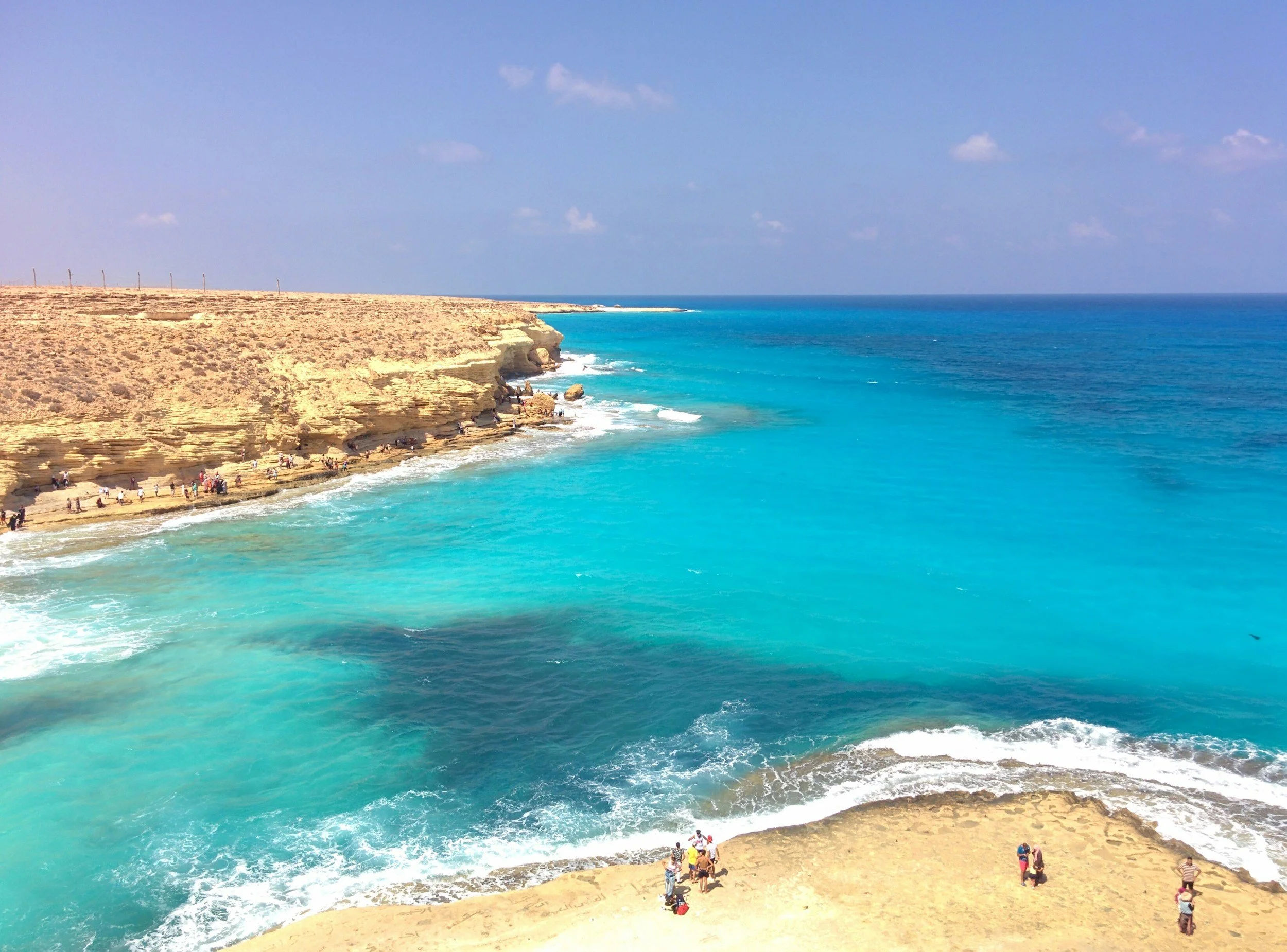
Why Choose Marsa Alam for Diving in Egypt?
Egypt has long been one of the world's top destinations for scuba diving, and while the Sinai Peninsula gets much of the attention, experienced divers know that the real gem lies further south. Marsa Alam, a quieter coastal town on the southern Red Sea, offers something that few destinations anywhere in the world can match: pristine reefs, extraordinary marine life, warm clear water, and almost no crowds. If you are serious about diving, this is where you need to be.
What Makes Marsa Alam Different from Hurghada or Sharm el-Sheikh?
The northern Red Sea resorts like Hurghada and Sharm el-Sheikh are well-established and easy to reach, but decades of heavy tourism have left their mark on the reefs. The dive sites around those areas can feel congested, and the underwater environment has suffered from the pressure of mass tourism over the years.
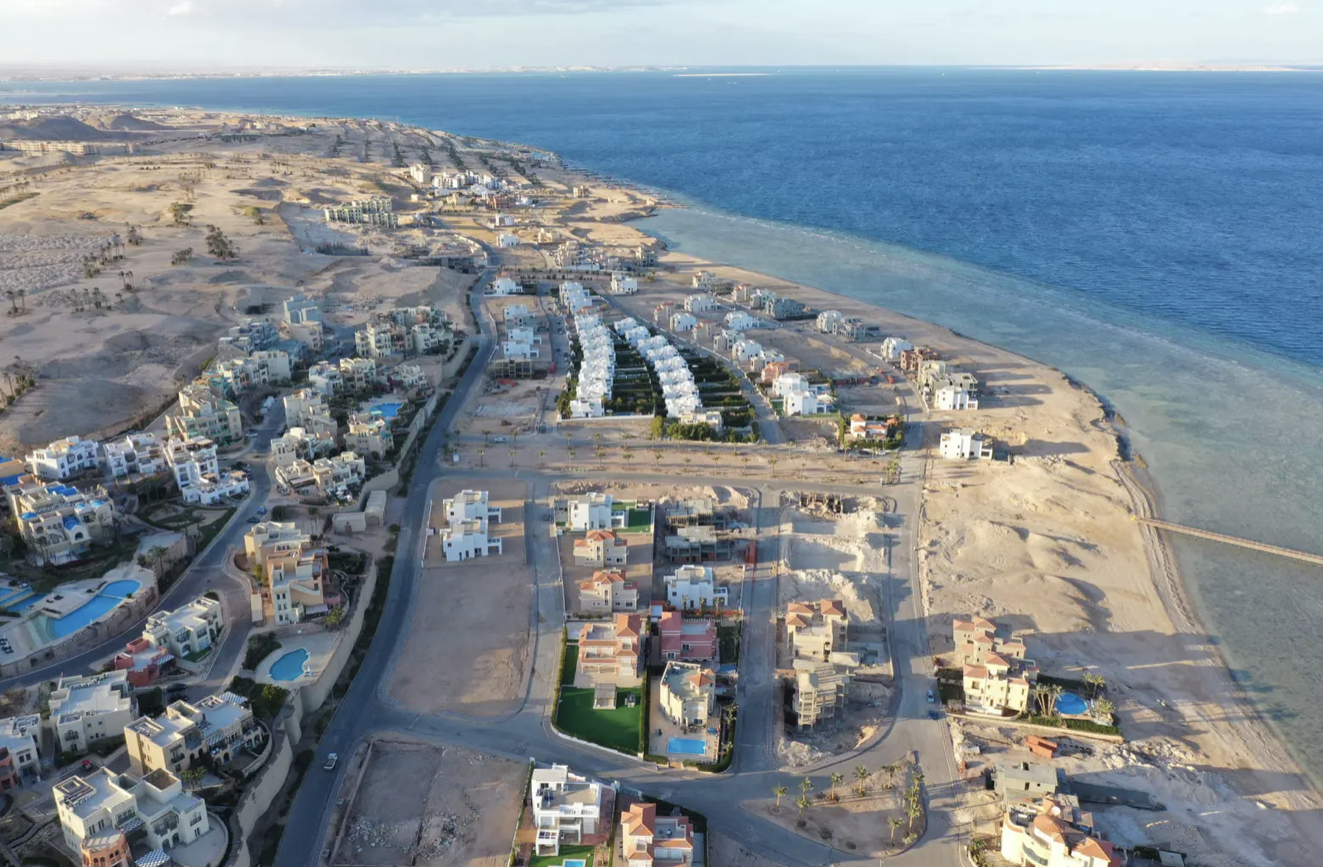
Marsa Alam sits roughly 200 kilometres south of Hurghada, and that distance makes all the difference. The reefs here are healthier, the visibility is consistently excellent, and on most dives you will share the water with far fewer people. The town itself remains relatively low-key, which means the focus stays on the diving rather than the resort entertainment. For divers who travel specifically to be underwater, that is exactly the right environment.
The Marine Life You Can Expect
The southern Red Sea around Marsa Alam is home to a remarkable concentration of large and rare marine species. This is not just about colourful coral and reef fish, although there is plenty of that. What sets marsa alam diving apart is the frequency of encounters with animals that most divers only dream of seeing.
Dugongs are spotted here more regularly than almost anywhere else in the world, feeding on the seagrass beds close to shore.
Oceanic whitetip sharks are a genuine possibility at the deeper offshore reefs.
Hammerhead sharks pass through during certain seasons, particularly at the exposed reef walls to the south.
Sea turtles are extremely common, often resting on the reef or feeding on sponges.
Manta rays and eagle rays appear seasonally at several sites.
Large schools of barracuda, trevally, and snappers are a regular feature of most dives.
The diversity of what you might see on a single dive trip is genuinely exceptional, and the water temperature stays between 24 and 30 degrees Celsius throughout the year, making it comfortable for extended diving in all seasons.
Key Dive Sites Around Marsa Alam
Elphinstone Reef
Elphinstone Reef is widely regarded as one of the top ten dive sites in the world, and spending time there makes it clear why. It is an offshore reef plateau rising from deep water, with sheer walls dropping hundreds of metres into the blue on all sides. The northern and southern plateaus are where the big action happens. Oceanic whitetip sharks are regularly seen here, and during the right season grey reef sharks and hammerheads also appear. The soft coral growth on the walls is spectacular, with vivid purples and oranges covering the rock from top to bottom. This is a site for divers with some experience, as currents can be strong and the open water setting demands good buoyancy and awareness, but the reward is among the most dramatic diving available anywhere in the Red Sea.
Dolphin House — Shaab Samadai
Dolphin House Marsa Alam, known locally as Shaab Samadai, is one of the most special dive and snorkel sites in Egypt. The reef forms a natural horseshoe-shaped lagoon that serves as a resting and nursery area for a resident pod of spinner dolphins. These animals are wild and free to come and go as they please, but they return to the lagoon consistently, and encounters with them in the water are genuinely magical. The reef itself is also excellent, with healthy hard and soft coral, turtles, and a wide range of reef fish. The Egyptian government has protected the site carefully, limiting the number of visitors and dividing the lagoon into zones to minimise disturbance to the dolphins. The result is one of the most responsible and rewarding wildlife encounters you will find in the region.
Shaab Marsa Alam
This house reef sits right in front of the town and offers exceptional diving for all levels. It is particularly well known for dugong sightings, as the seagrass beds nearby are a regular feeding ground for these rare and gentle creatures. The reef has multiple dive profiles available, from shallow coral gardens perfect for beginners to deeper walls suited to more advanced divers. Being so close to shore, it is also an ideal site for night dives, when the reef transforms completely and creatures like moray eels, octopus, and sleeping turtles become the main attraction.
Abu Dabbab
Another site famous for dugongs, Abu Dabbab is a bay with a sandy bottom and seagrass meadows that attract these animals reliably. Turtle encounters here are almost guaranteed, and the bay is calm and sheltered, making it suitable for divers of all experience levels. It is one of the best places in the world to snorkel alongside sea turtles in a completely natural setting.
Diving Conditions and Best Time to Visit
One of the great advantages of Marsa Alam is that diving is genuinely good year-round. The water is always warm, the visibility is almost always excellent, ranging from 20 to 40 metres on most days, and the range of sites available means there is always somewhere sheltered to dive regardless of wind direction.
That said, different seasons offer different highlights. Winter months from November through February bring cooler air temperatures but the possibility of hammerhead sharks at certain sites. Spring and early summer are considered by many to be the best all-round period, with warm conditions, excellent visibility, and active marine life. Summer is hot on land but the diving remains superb, and this is often when live-aboard trips offer good value. Autumn brings stable conditions and is an excellent time for turtle and dugong encounters.
Live-Aboard vs. Shore-Based Diving
Marsa Alam supports both styles of diving trip, and each has its merits depending on what you are looking for.
Shore-based diving from a hotel or dive centre gives you flexibility, comfort on land, and easy access to the house reefs and nearby day-trip sites. It suits divers who want a relaxed pace, families with non-divers, or those doing a course alongside their holiday.
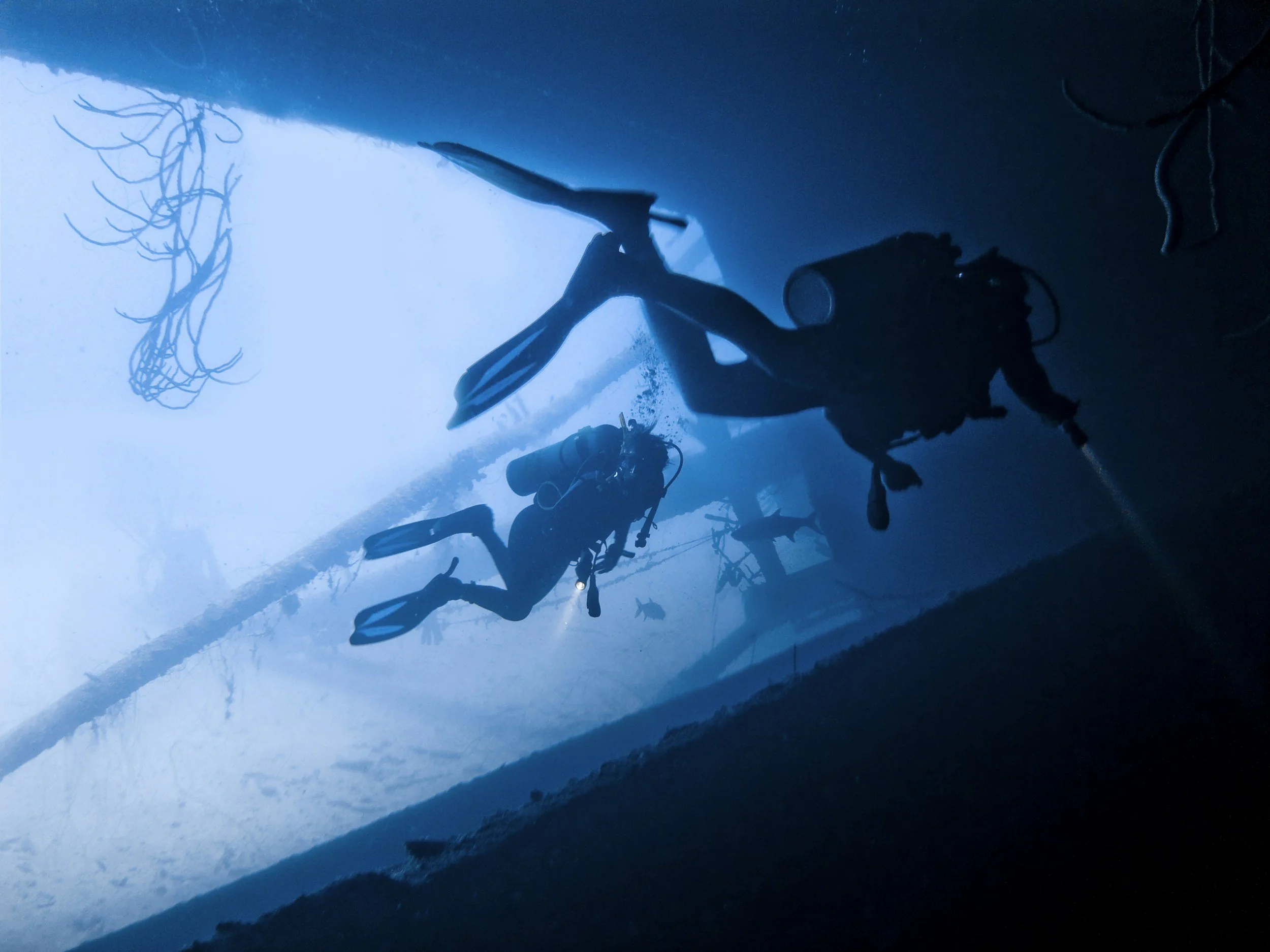
Live-aboard trips based out of Marsa Alam open up the full southern Red Sea, reaching sites like Elphinstone, the St Johns reefs, Rocky Island, and Zabargad Island that are simply too far for day boats. You live on the boat for the duration of the trip, diving four or five times a day, and the access to remote reefs that very few divers ever visit is remarkable. For passionate divers, a live-aboard from Marsa Alam is one of the best diving experiences available anywhere in the world.
Is Marsa Alam Suitable for Beginner Divers?
Absolutely. While Marsa Alam has some of the most exciting advanced and technical diving in the Red Sea, it also has excellent conditions for beginners. The house reefs are calm, warm, and full of life. Several dive centres in the area run PADI and SSI courses from Open Water through to Divemaster, and the learning environment is genuinely excellent. A beginner completing their Open Water course in Marsa Alam will see more marine life on their training dives than many experienced divers see in a full week elsewhere.
Choosing the Right Dive Centre
The quality of your experience in Marsa Alam depends significantly on who you dive with. Look for a centre with properly maintained equipment, certified and experienced guides, small group sizes, and a genuine knowledge of the local sites and marine life. A good guide makes the difference between a good dive and an unforgettable one, particularly when it comes to spotting shy or camouflaged species, reading currents at the bigger reef sites, and knowing where the dugongs are feeding on any given morning.
Final Thoughts
Marsa Alam is not the most famous diving destination in Egypt, and in many ways that is precisely what makes it so good. The reefs are healthier, the marine life is more abundant, and the overall atmosphere is calmer and more focused on the underwater experience than the larger resorts to the north. Whether you are coming for your first Open Water course, hunting hammerheads at Elphinstone, swimming with dolphins at Shaab Samadai, or hoping to tick a dugong off your bucket list, Marsa Alam delivers at every level. It is, quite simply, one of the finest places to dive in the world.