
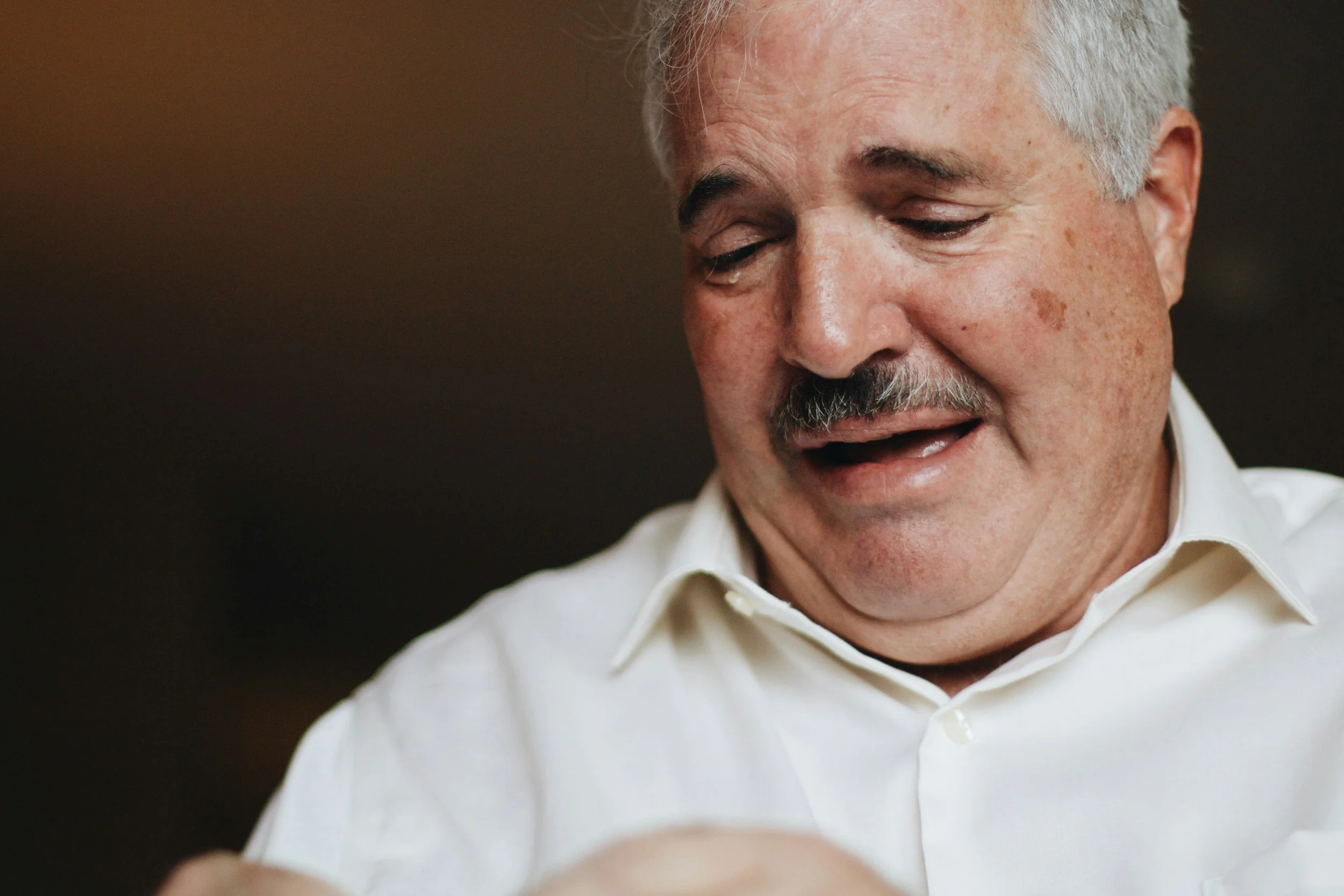
How Dementia Impacts Brain Function in the Elderly: Key Insights
Dementia affects brain function in many ways. It can make thinking slow and tasks harder. Memory problems often appear first. Seniors may forget recent events or conversations.
Emotions can change and cause frustration or anxiety. Making decisions and solving problems may become difficult.
Learning about these changes helps families give better care. Keep reading to see how dementia affects brain function in the elderly.
Memory Loss and Cognitive Decline
Memory loss is common in dementia. Short-term memory is usually the first to go. Seniors may forget names, dates, or recent events. Long-term memory can fade too. Thinking and planning become harder.
Daily routines may need support to manage these changes. Forgetting small details can create safety risks. Repetition and reminders can help seniors stay on track. Caregivers may need to be patient as memory problems grow.
Language and Communication Difficulties
Dementia can make talking hard. Seniors may forget words or have trouble following conversations. Reading and writing can become difficult. Misunderstandings often happen. Simple sentences and patience help communication.
Supportive dementia care for seniors often includes language exercises to keep skills active. Listening carefully is important to reduce frustration. Visual cues can make communication easier. Encouraging conversation helps maintain mental engagement.
Impaired Judgment and Decision-Making
Dementia can affect judgment. Seniors may make unsafe choices. Handling money or important decisions becomes risky. Everyday tasks may need guidance. Families can help without taking control.
Gentle supervision reduces risks and keeps dignity. Decisions about health care may need support. Safety checks at home become necessary. Encouraging small choices can help maintain independence.
Changes in Mood and Behavior
Mood can shift with dementia. Anxiety, sadness, or anger are common. Personality may change over time. Reactions may seem unpredictable. Identifying triggers helps manage these changes.
A calm and structured environment improves mood. Social activities can reduce stress and loneliness. Familiar routines help prevent agitation. Patience and reassurance improve daily life.
Loss of Coordination and Motor Skills
Motor skills can decline. Walking and balance may weaken. Hand movements may slow. Daily activities like dressing or eating become harder. Exercise can keep muscles and coordination better.
Homes should be safer as mobility changes. Simple strength exercises improve stability. Using supportive devices may be needed. Regular physical checkups help prevent injuries.
Changes in Sleep and Daily Patterns
Sleep often changes in dementia. Seniors may wake at night or sleep too much during the day. This can make confusion worse. Regular routines help improve sleep. Daytime activities and light help adjust the body clock.
Consistent schedules support better mood and health. Avoiding caffeine or heavy meals at night helps rest. Gentle activity before bed can improve sleep quality. Creating a quiet sleep environment is important.
Sensory and Perception Changes
Dementia can change how seniors see, hear, and feel things. They may not notice sounds or objects clearly. This can make everyday tasks harder.
Misunderstanding what they see or hear can cause confusion. Simple changes at home, like better lighting and less noise, help. Using clear signs and familiar objects makes it easier to stay safe.
Dementia Impacts Brain Function in the Elderly
Dementia affects brain function in many ways. Memory, thinking, and movement can all change. Understanding these issues helps families give the right support. Routines, safety, and simple communication improve life.
Emotional care and patience are very important. Physical activity and mental exercises can slow some problems. Knowing how dementia affects the brain creates a safer and more supportive home.
Visit our blog for more!