How Remote Patient Monitoring is Transforming Chronic Care
RPM, commonly known as Remote Patient Monitoring, is changing the landscape of how healthcare facilities approach patients with chronic disorders as well as post-acute conditions. With the help of connected medical devices and digital platforms, providers will be able to monitor the health information of patients beyond clinical environments. This ongoing monitoring helps identify problems early enough before personalized interventions can be made, and better patient engagement as well.
How Remote Patient Monitoring Works
RPM depends on medical equipment like blood pressure cuffs, glucometers, pulse oximeters, and weight scales involved as being interrelated with digitalized systems. The gadgets can automatically detect and transmit data securely to care providers over cloud platforms. Real-time information is available to providers during a visit to a clinic, and they can analyze any alarming trends and take action in a timely manner.
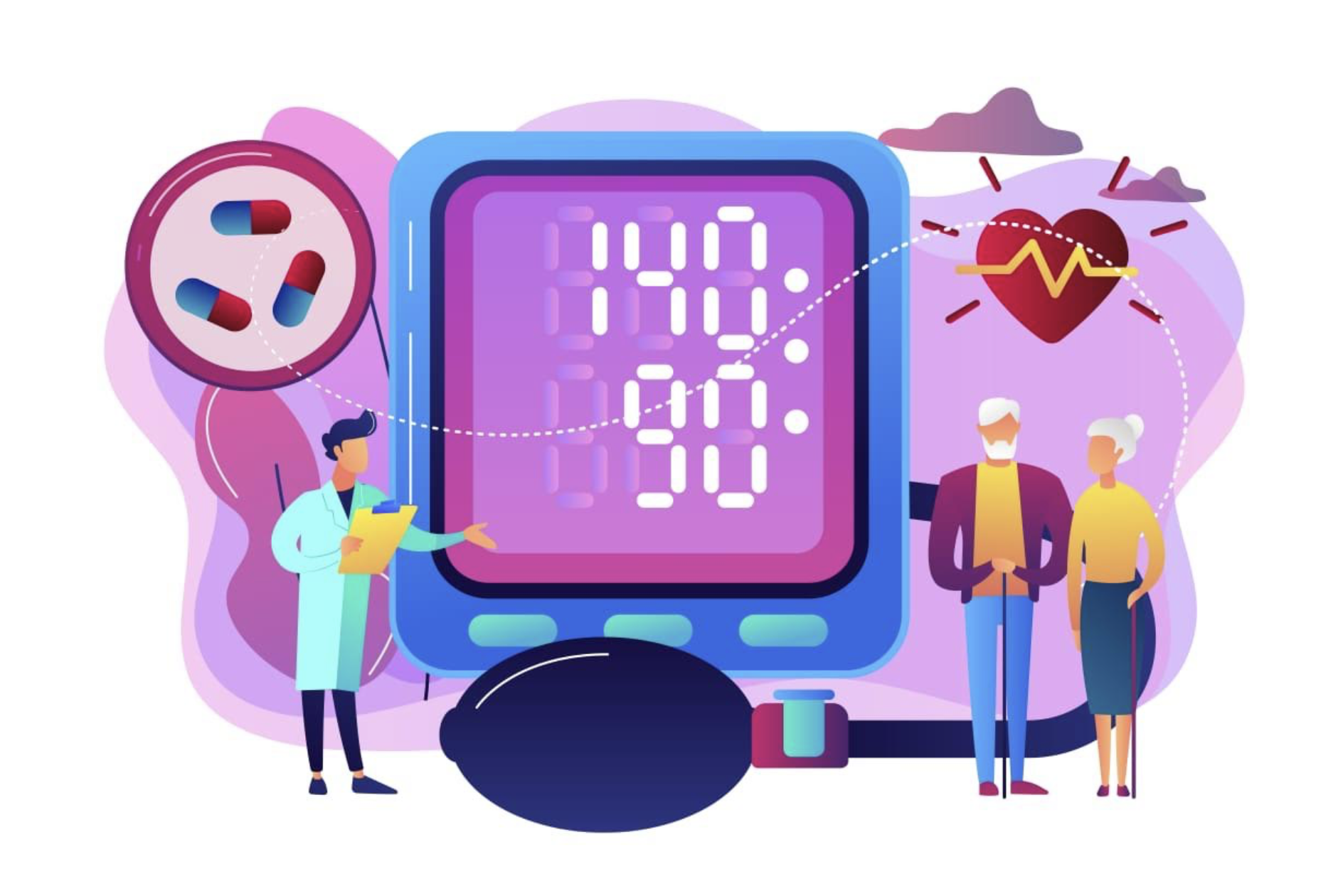
To illustrate this, a hypertensive patient may measure his/her blood pressure at home, and the results are delivered to his/her care team. When readings are routinely out of the safe zone, the provider will be able to adjust the medications, suggest lifestyle alterations, and provide an appointment via telehealth. Such a preventive method minimizes the risk of hospitalizations and complications.
Benefits for Patients
For patients, RPM offers peace of mind. They do not have to depend anymore on infrequent visits to doctors to gauge their health. Rather, they are assured that their condition is aptly tracked on a daily basis. This is of particular value to the people who have chronic illnesses such as diabetes, heart failure, or COPD, as in these cases, early treatment can help avoid serious complications.
Patients also gain greater convenience and independence. They will be able to be more connected to their care team without having to go to clinics frequently, which removes the burden of travel and waiting time. Education support is also present in many RPM programs, allowing patients to be educated about their condition and, therefore, involved in the process.
Benefits for Healthcare Providers
The advantage that healthcare providers receive from RPM is the constant observation of the health of their patients. Such a data-driven method may enhance clinical decision-making, lessen emergency care visits, and enhance outcomes. Providers are also in a position to serve more patients more effectively, considering that during data automation, manual effort is minimized.
Fiscally, RPM is consistent with the trend of value-based care because it prevents needless hospitalizations and hospital readmissions. Moreover, numerous healthcare systems and insurers like Medicare also cover RPM services; thus, it is a sustainable practice.
Challenges in Implementing RPM
Although the benefits of having an RPM program are obvious, it is accompanied by pitfalls. Practices have to invest in the appropriate technology, maintain safe integration with electronic health records, and provide staff and patient training. This can also be inhibited by patient adoption, especially in older patients who are less familiar and comfortable with digital devices. Overcoming resistance is important, and it is likely to succeed by building trust and also by providing user-friendly technology.
Connectivity issues present another hurdle. Rural or underserved areas have a low or no dependable internet connection, which can have an impact on the efficacy of RPM-based programs. These limitations are the things that should be taken into consideration by healthcare providers in implementing large-scale solutions.
Remote Patient Monitoring and the Future of Healthcare
Amidst the changing paradigm of health care to more proactive, patient-centered systems, RPM will become core. Further developments in wearable technology, artificial intelligence, and predictive analytics will enable RPM to be more than data gathering. Subsequent platforms will not only monitor patients but also warn them about the upcoming problems with their health and control preventive care.
Moreover, RPM is likely to be a regular part of Chronic Care Management initiatives. This coordination of consistent care plans with around-the-clock monitoring will develop a more comprehensive technique of addressing chronic conditions.
Final Thoughts
Remote Patient Monitoring is not an optional feature anymore; in contemporary healthcare, it is becoming a must. RPM bridges the divide between the providers and patients, yields better outcomes, saves money, and puts the patient in control of their health. With such advancement in technology, RPM will keep on redefining the care delivery system, transforming healthcare into a proactive, connected, and truly patient-centered system.