Why Prioritizing Oral Health Is Essential for Effective Self-Care
Oral health is more than just a bright smile or fresh breath. It plays a significant role in your overall well-being, affecting not only your teeth and gums but also your general health. By prioritizing oral health as part of your daily self-care routine, you can save your teeth, prevent serious health problems, and improve your quality of life.
In this article, we'll explore why oral health matters, how it impacts your body, and how to make it a top priority in your self-care regimen.
The Connection Between Oral Health and Overall Health
Many people think of oral health as separate from the rest of their body, but the truth is that your mouth is connected to your entire system. Poor oral health can lead to or worsen a variety of conditions, including:
heart disease
diabetes
respiratory infections
The mouth is home to millions of bacteria, and without proper care, these bacteria can spread to other parts of your body, causing infections and health complications.
For example, gum disease (periodontal disease) has been linked to an increased risk of heart disease. When the gums are infected, bacteria can enter the bloodstream and contribute to inflammation in the heart's blood vessels. By maintaining healthy gums, you reduce your risk of these types of health problems.
The Benefits of Prioritizing Oral Health
When you make oral health a priority, you're not just preventing cavities or bad breath. Several long-term benefits come with keeping your teeth and gums healthy:
Prevents Tooth Loss
One of the most significant reasons to focus on oral health is to prevent tooth loss. When plaque and bacteria build up on your teeth, they can cause cavities and gum disease. If untreated, this can lead to tooth decay and, in extreme cases, the need for tooth extraction.
A solid oral hygiene routine that includes regular brushing, flossing, and visits to the dentist can save your teeth and help you avoid this costly and uncomfortable problem.
Improves Your Self-Confidence
Your smile is often one of the first things people notice about you. Having healthy teeth boosts your self-confidence and helps you feel good about yourself.
Whether you're in a social setting or at work, knowing that you have a clean, bright smile can make you feel more comfortable in your interactions. Prioritizing oral health can lead to better breath, whiter teeth, and a smile that you'll want to show off.
Boosts Your Overall Well-Being
Good oral health contributes to your overall well-being. Healthy teeth and gums make it easier to eat a balanced diet and enjoy your food.
If you have gum disease or tooth pain, you might find it difficult to eat certain foods, leading to poor nutrition. By taking care of your oral health, you're setting yourself up for better overall health.
Reduces the Risk of Serious Health Conditions
As mentioned earlier, poor oral health is linked to several serious health conditions. One of the most concerning is diabetes. Gum disease can make it harder for your body to control blood sugar, increasing your risk of developing diabetes or worsening an existing condition.
Oral health can also affect your lungs, especially if bacteria from infected gums is inhaled into the lungs, leading to respiratory infections.
Saves You Money in the Long Run
Taking care of your oral health today can save you money in the future. Preventive care, such as regular brushing and dental check-ups, is far less expensive than dealing with the consequences of poor oral hygiene, like fillings, root canals, or even tooth extractions. Investing in your oral health now can help you avoid high medical bills later on.
How to Prioritize Oral Health in Your Self-Care Routine
Now that we've discussed the importance of oral health, let's look at practical ways to incorporate oral care into your self-care routine. Here are some tips that will help you keep your teeth and gums healthy.
Brush Your Teeth Regularly
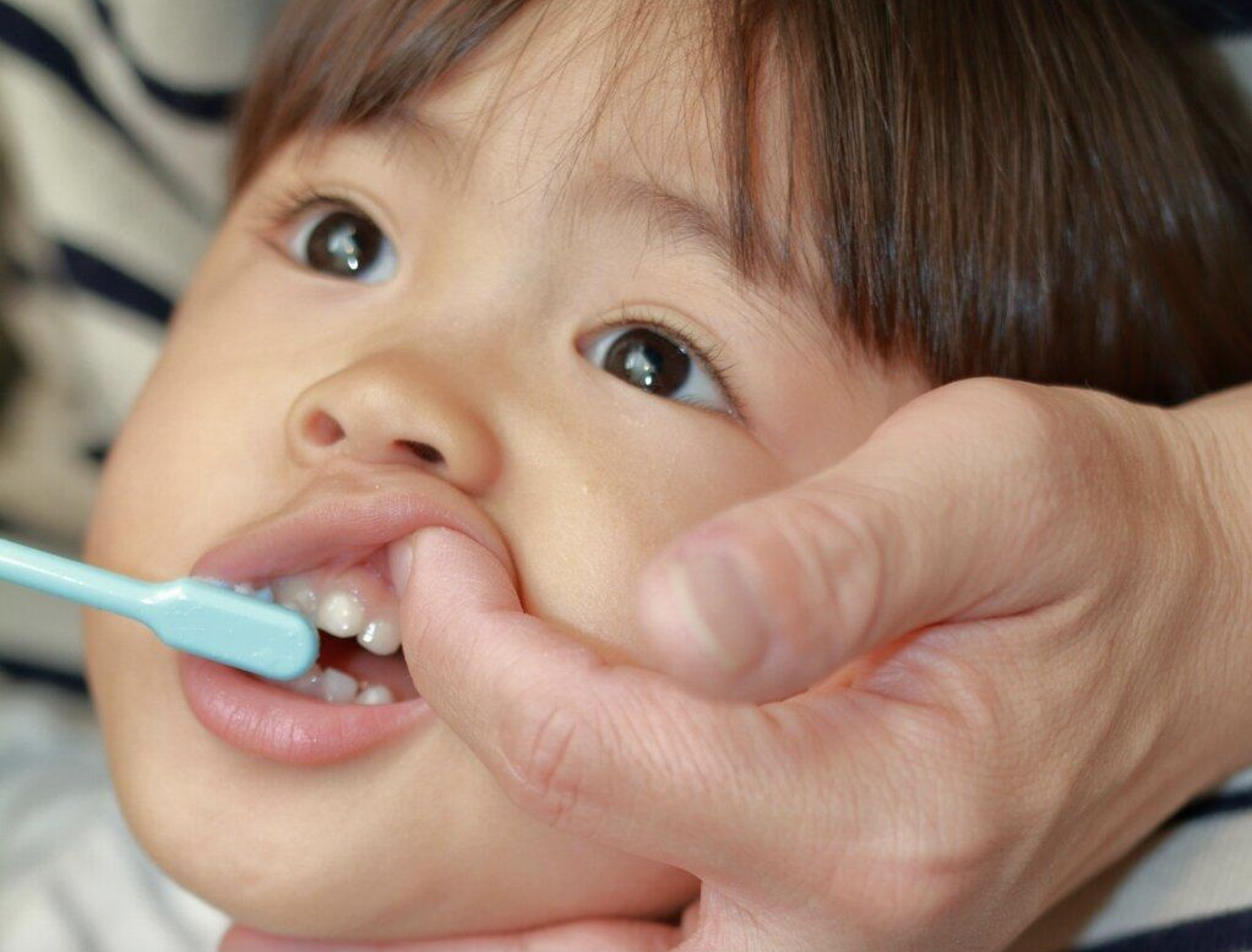
Brushing your teeth twice a day is the cornerstone of good oral hygiene. Use a soft-bristled toothbrush and fluoride toothpaste to brush your teeth for two minutes.
Don't forget to brush your tongue, as bacteria can build up there as well. Brushing regularly helps remove plaque, a sticky film of bacteria that can cause cavities and gum disease if left on your teeth.
Floss Every Day
Flossing is just as important as brushing. It helps remove food particles and plaque from between your teeth and along the gum line, where your toothbrush can't reach.
Flossing daily can significantly reduce your risk of gum disease and cavities, so make it a part of your routine. If you have trouble using traditional floss, there are other tools like floss picks or water flossers that can help.
Use Mouthwash
Mouthwash is an excellent way to rinse away bacteria and freshen your breath. It can also help reduce plaque buildup and prevent gum disease. Choose an antibacterial mouthwash that helps kill germs and promotes healthy gums. However, mouthwash should never replace brushing and flossing, but rather complement your oral care routine.
Visit the Dentist Regularly
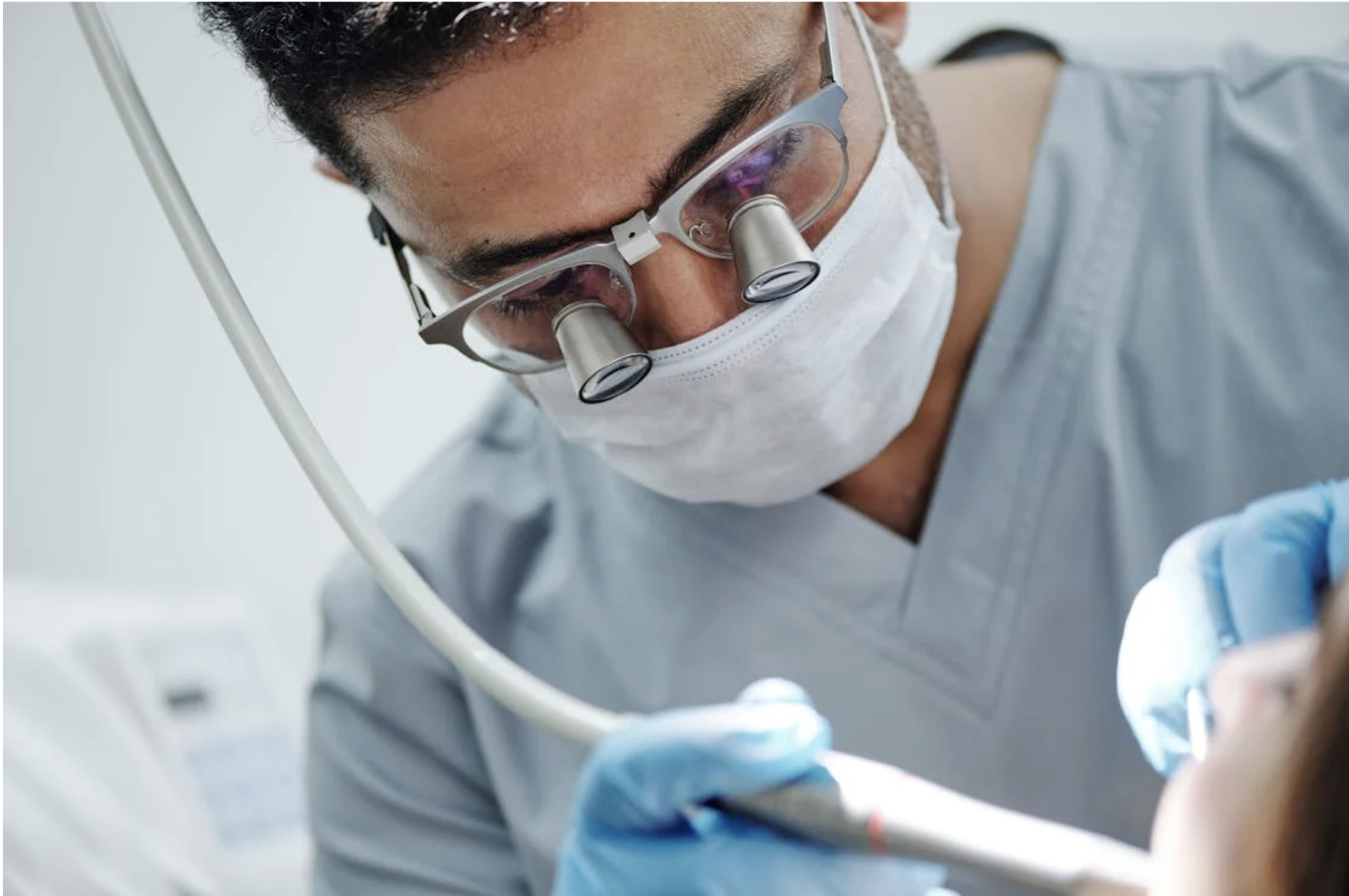
Even if you brush and floss diligently, it's still essential to see your dentist regularly. A dentist can detect issues that might not be visible or noticeable to you, such as cavities or early signs of gum disease, with Tooth Extraction Wetherill Park. Regular dental check-ups, typically every six months, will allow your dentist to clean your teeth professionally and monitor your oral health.
Watch Your Diet
What you eat plays a significant role in your oral health. Limit sugary and acidic foods, as they can contribute to tooth decay. Instead, opt for a diet rich in fruits, vegetables, whole grains, and lean proteins.
These foods not only support your overall health but also help keep your teeth strong. Drinking plenty of water throughout the day also helps rinse away food particles and bacteria from your mouth.
Don't Forget Your Gums
Your gums are just as important as your teeth when it comes to oral health. Healthy gums hold your teeth in place and help protect against infections.
Brush your gums gently when brushing your teeth, and pay attention to any signs of gum disease, such as redness, swelling, or bleeding. If you notice any of these symptoms, see your dentist as soon as possible.
Drink Plenty of Water
Drinking water throughout the day helps rinse away food particles and bacteria that can lead to plaque buildup. It also helps keep your mouth hydrated, which is important for maintaining a healthy balance of saliva. Saliva is essential for neutralizing acids in the mouth and preventing tooth decay.
Avoid Smoking and Excessive Alcohol
Smoking and heavy alcohol use can have negative effects on your oral health. Smoking increases your risk of gum disease and oral cancer, while excessive alcohol consumption can lead to dry mouth, which promotes bacterial growth. Limiting or avoiding these habits can go a long way in maintaining a healthy mouth.
Common Oral Health Problems to Watch Out For
It's important to know the signs of common oral health problems so you can take action before they worsen. Here are a few issues to be aware of:
Cavities
Cavities are caused by the breakdown of tooth enamel, often due to poor oral hygiene and sugary foods. They can cause pain and infection if not treated promptly. Regular brushing, flossing, and visits to the dentist can help prevent cavities.
Gum Disease
Gum disease, or periodontal disease, occurs when bacteria infect the gums, leading to inflammation, bleeding, and even tooth loss in severe cases. Early signs of gum disease include red, swollen gums that bleed when brushing or flossing. Good oral hygiene can prevent gum disease, but if you notice symptoms, visit your dentist right away.
Bad Breath (Halitosis)
Bad breath, or halitosis, can be caused by poor oral hygiene, gum disease, or underlying health conditions. Regular brushing and flossing can often solve the problem, but if bad breath persists, it's a good idea to consult your dentist.
Tooth Sensitivity
Tooth sensitivity is a common problem where your teeth feel pain or discomfort when exposed to hot, cold, or sweet foods. It can be caused by worn tooth enamel, gum recession, or cavities. If you experience sensitivity, speak to your dentist about ways to manage it.
Oral Cancer
Oral cancer can develop in any part of the mouth, including the lips, gums, tongue, and roof of the mouth. Early detection is key to successful treatment. Regular dental exams can help spot signs of oral cancer, and it's important to check for unusual lumps, sores, or color changes in your mouth.
Make Oral Health Part of Your Self-Care Routine
Oral health is an essential part of your overall self-care routine. By brushing, flossing, visiting the dentist regularly, and paying attention to your diet, you can prevent serious health issues and maintain a beautiful smile for years to come. Prioritizing oral health can save your teeth, boost your confidence, and improve your general well-being.
Remember, oral health doesn't just affect your teeth- it impacts your entire body. Make it a priority, and you'll reap the benefits for years to come.
Feel like you've only scratched the surface? Spoiler alert: there's so much more. Head over to the rest of the site and see for yourself!