How to Recognize and Manage Common Health Emergencies Effectively
Recognizing and managing health emergencies effectively can be life-saving. This guide will teach you how to recognize and manage common health emergencies effectively, such as cardiac arrest, stroke, choking, and more. Discover crucial signs and the steps to take to ensure the best possible outcomes until professional help arrives.
Recognizing Common Health Emergencies
Early recognition of common health emergencies can be life-saving. Critical warning signs that demand immediate attention include:
Persistent bleeding
Breathing difficulties
Chest pain
Severe headaches
Prompt identification and response significantly improve outcomes in health emergencies. Awareness and preparedness are key to effective management.
Children may exhibit unique signs like unusual behavior or bluish skin, requiring immediate attention since they may not communicate distress clearly.
Serious conditions such as cardiac arrest, stroke, choking, and severe allergic reactions need urgent medical care. Recognizing their distinct symptoms enables timely action, which can save lives.
Public education on first aid, knowing when to call emergency services, and locating local hospitals empowers individuals to respond confidently.
Early recognition and prompt action are vital for effective emergency management and better outcomes.
Cardiac Arrest: Immediate Actions
Cardiac arrest is an urgent medical emergency where every second counts. Immediate intervention is crucial when the heart stops beating to prevent death within minutes. Ensuring the scene’s safety before taking action protects both the responder and the patient from further harm.
Early recognition of cardiac arrest signs can dramatically improve outcomes. If you suspect cardiac arrest, follow these steps:
Call emergency services immediately.
Start CPR.
Perform high-quality CPR with compressions at a depth of at least two inches.
Maintain a compression rate of 100 to 120 per minute to keep blood flowing to vital organs until professional help arrives.
First responders and bystanders play a crucial role during cardiac arrest. Staying calm and performing cardiopulmonary resuscitation can make all the difference. Training in CPR and using an automated external defibrillator (AED) empowers individuals to respond effectively in critical moments.
Engaging professional medical help promptly is vital. Emergency services have advanced tools and medications to stabilize patients during different medical emergencies. The transition from first aid to professional care should be seamless, ensuring comprehensive medical treatment from the moment the emergency occurs until the patient reaches the emergency room.
Cardiac arrest underscores the importance of emergency preparedness. Understanding the necessary steps and the significance of immediate action prepares you to respond to this life-threatening condition. Every moment matters, and your response can save lives.
Stroke: Identifying Warning Signs

A stroke happens when blood flow to the brain is interrupted, potentially causing devastating consequences if not addressed promptly. The acronym F.A.S.T. helps identify stroke symptoms quickly:
Face drooping
Arm weakness
Speech difficulty
Time to call the emergency number. Immediate recognition and action can greatly reduce the risk of long-term damage.
Sudden confusion or difficulty understanding speech are additional stroke warning signs. These subtle symptoms should never be ignored. A severe headache with no known cause may also indicate a stroke, requiring urgent medical attention. The faster these symptoms are identified, the quicker professional help can be sought.
Transient ischemic attacks (TIA), or mini-strokes, present similar symptoms but are shorter in duration. Despite their transient nature, they warn of potential future strokes and should be taken seriously. Immediate medical evaluation is essential to prevent a full-blown stroke.
Understanding stroke warning signs and knowing how to assess them can be life-saving. Quick recognition and prompt medical intervention are key to minimizing a stroke’s impact and enhancing recovery chances. Always remember, time lost is brain lost.
Choking: Effective First Aid Techniques
Choking is a common medical emergency that can quickly become life-threatening. Recognizing signs like difficulty speaking, high-pitched sounds, or clutching the throat is crucial for an effective response. Immediate action is required to dislodge the obstruction and restore normal breathing.
For adults and children, first aid involves alternating between back blows and abdominal thrusts:
Start with five sharp back blows between the shoulder blades.
If the airway isn’t clear, perform abdominal thrusts by standing behind the person and applying quick, inward, and upward thrusts above the navel.
Continue until the airway is clear or emergency help arrives.
Infants require a different approach due to their size and fragility. Follow these steps:
Hold the infant face down along your forearm, supporting their head.
Deliver five sharp back blows between the shoulder blades.
If back blows don’t work, turn the infant face up.
Perform up to five chest thrusts, pressing down on the breastbone with two fingers.
First responders play a crucial role in choking emergencies. Staying calm and performing the correct techniques can be life-saving. Training in these methods and regular practice ensures confidence and effectiveness during an actual emergency.
Choking can happen to anyone, anywhere, making it crucial to be prepared with the knowledge and skills to respond quickly. Effective choking first aid in Australia and strategies can save lives and prevent complications. Swift and decisive actions can make all the difference.
Severe Allergic Reactions: Quick Response
Anaphylaxis is a severe and potentially fatal allergic reaction requiring immediate action. Common triggers include foods, insect stings, and medications. Symptoms include:
Swelling of the throat, lips, and tongue
Difficulty breathing
Hives
A drop in blood pressure
These symptoms can progress rapidly, making a quick response critical.
The primary treatment for anaphylaxis is administering epinephrine via an auto-injector, typically injected into the outer thigh muscle. This medication can quickly reverse symptoms, but seeking professional medical help immediately after administration is imperative, even if the individual feels better, due to the risk of biphasic anaphylaxis.
Knowing how to use an epinephrine auto-injector and recognizing anaphylaxis signs can save lives. Individuals at risk should always carry an auto-injector and inform those around them about their condition and emergency response.
Responding urgently to severe allergic reactions is crucial. Rapid access to medical care and the correct use of epinephrine can prevent fatalities and ensure swift recovery. Always be prepared to act quickly and effectively in these situations.
Managing Bleeding and Trauma
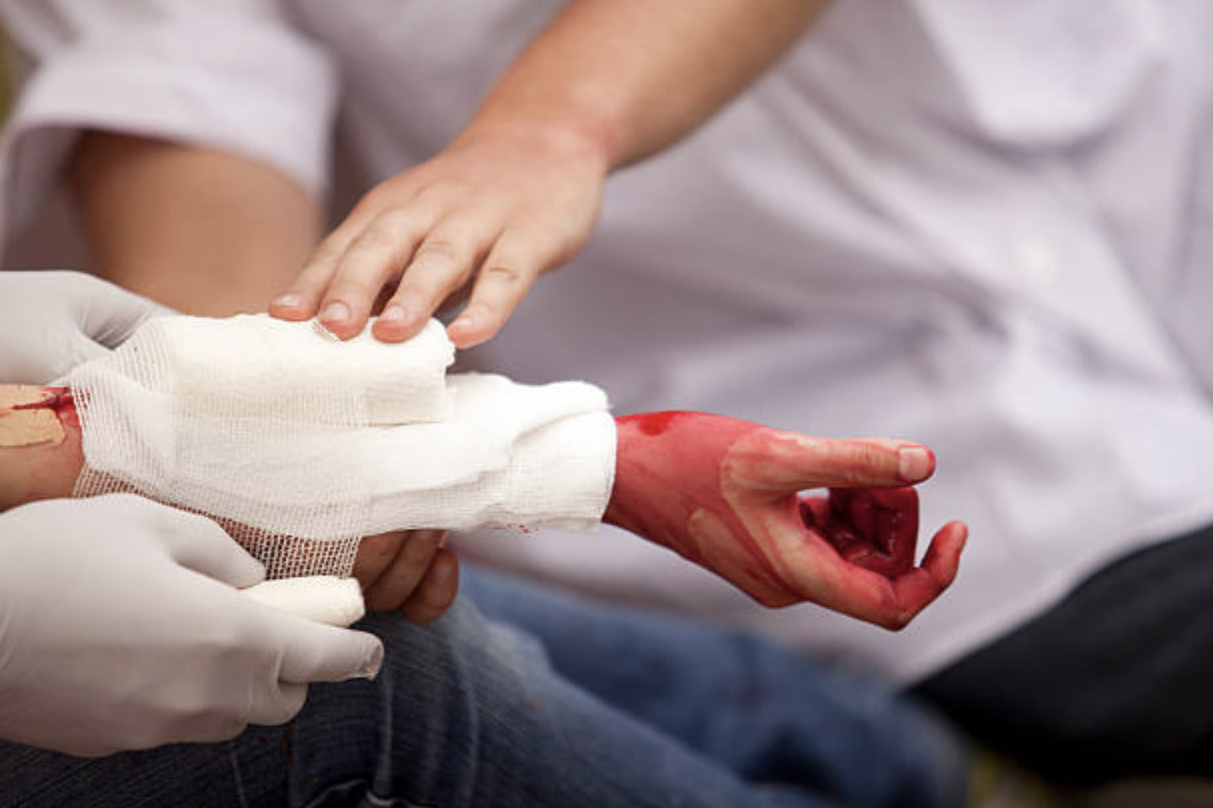
Managing severe bleeding and trauma is a vital skill that can save lives. Life-threatening external bleeding can be identified by the amount of blood loss and whether it flows continuously or spurts. Immediate action is necessary to control bleeding and prevent shock.
The first step in managing severe bleeding is to:
Apply direct pressure to the wound using gauze or a cloth.
Maintain this pressure to help control blood flow until professional help arrives.
If direct pressure is insufficient, consider using a tourniquet, especially for limb injuries.
Only trained individuals should use a tourniquet, placing it above the injury site.
For wounds with embedded objects, do not remove the object, as it may control the bleeding. Apply pressure around the object to manage blood flow until emergency services take over. This approach prevents further damage and stabilizes the injured person.
Trauma management includes stabilizing other injuries that may accompany severe bleeding. This holistic approach addresses all aspects of the injury, reducing complications and enhancing recovery chances.
Understanding how to manage bleeding and trauma effectively is essential for anyone who may need to help during a medical emergency. These skills can significantly improve outcomes and save lives.
Gallstones: When Surgery is Needed
Gallstones are solid deposits formed from bile in the gallbladder, varying in size from tiny grains to golf balls. They can cause significant discomfort and health issues when blocking the bile ducts, leading to symptoms like sudden abdominal pain, back pain, and nausea.
When gallstones cause persistent symptoms, surgical removal of the gallbladder, known as a cholecystectomy, is often necessary. This procedure is typically recommended to prevent recurrent episodes and complications like infection or pancreatitis.
Recognizing gallstone symptoms and seeking medical advice is important for appropriate diagnosis and treatment. While less invasive treatments may be considered in some cases, surgery remains the definitive solution for symptomatic gallstones.
For those exploring gallstones surgery in Singapore, advanced medical options are available to ensure safe and effective treatment.
Dental Emergencies: Immediate Care Tips
Dental emergencies can be painful and alarming, requiring swift action to prevent further damage. Common emergencies include:
Severe toothache
Knocked-out teeth
Cracked teeth
Immediate care can alleviate pain and improve outcomes until professional dental treatment is available.
For a severe toothache, you can:
Rinse the mouth with warm water.
Use dental floss to remove any trapped food particles.
Take over-the-counter pain relievers to help manage the discomfort until you can see a dentist.
If a tooth is knocked out, follow these steps:
Handle the tooth by the crown, avoiding contact with the root.
Rinse the tooth with water without scrubbing.
Try to reinsert the tooth into the socket.
If reinsertion isn’t possible, place the tooth in milk or a saline solution.
Seek immediate dental care.
For a cracked tooth, save any fragments, rinse the mouth, and apply a cold compress to control swelling and pain. Soft tissue injuries in the mouth can be managed by applying pressure to the bleeding area using gauze or a tea bag.
You can also search for phrase like single tooth implants Winnipeg MB and dentist near me to find to find a dental expert within your area.
Timely access to care from providers like Blacktown dental can make a difference in managing dental emergencies effectively.
The Importance of First Aid Knowledge
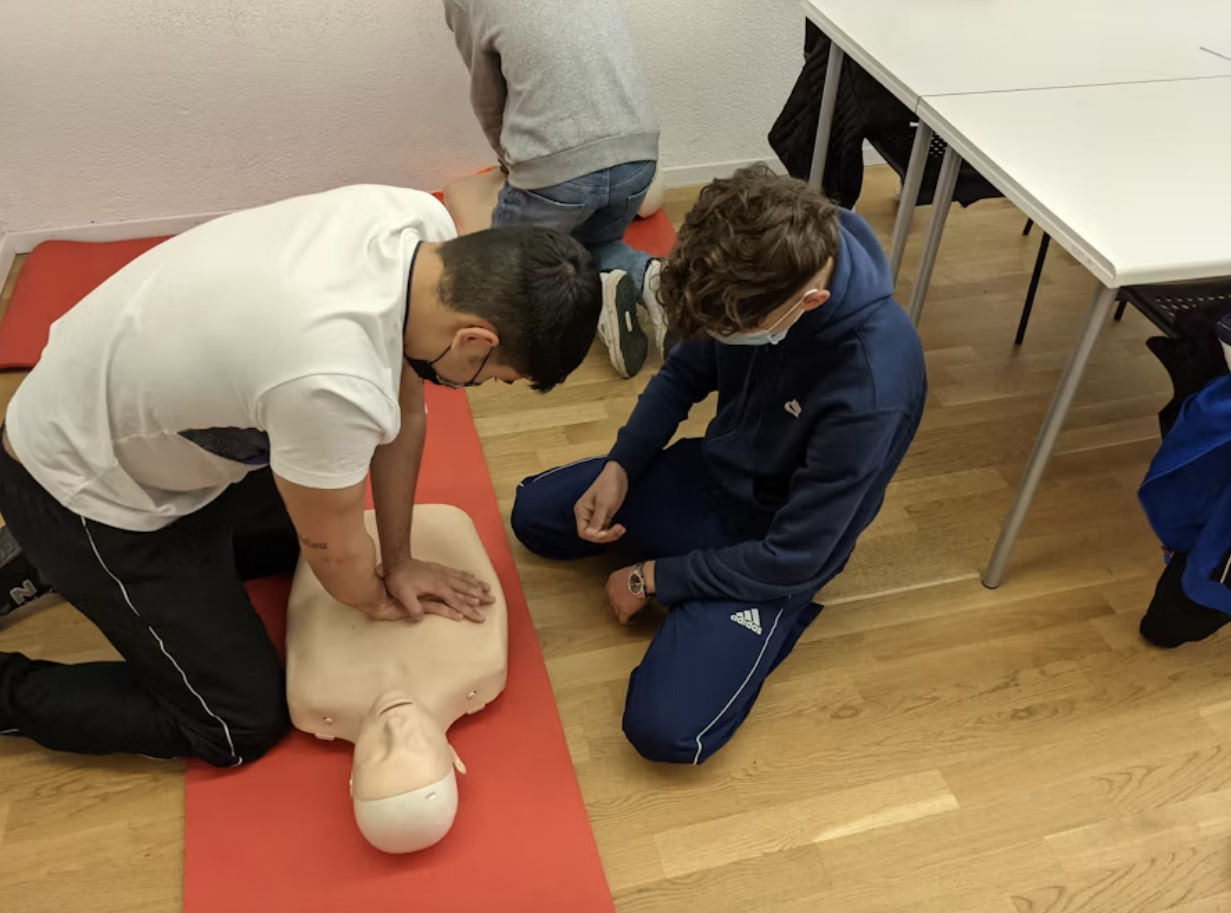
First aid knowledge is a vital skill that can save lives and improve outcomes in medical emergencies. Immediate medical assistance can be life-saving, providing critical care until professional help arrives. This knowledge allows individuals to respond confidently and effectively during emergencies.
Learning first aid is accessible and can be completed in just a few hours, making it feasible for even the busiest schedules. Having first aid certification not only enhances a resume but also demonstrates a proactive approach to emergency preparedness.
Basic first aid skills include performing CPR, managing bleeding, and recognizing signs of severe allergic reactions or strokes. These skills empower individuals to act in critical situations and provide essential care that can stabilize the patient.
The importance of first aid knowledge cannot be overstated. It plays a vital role in emergency management, bridging the gap between the onset of a medical emergency and the arrival of professional medical help. Being prepared with first aid skills can make all the difference in saving lives.
Efficient Logistics in Healthcare Delivery
Efficient logistics are the backbone of effective healthcare delivery, especially during emergencies. The timely delivery of medical supplies and equipment can significantly impact the quality of emergency care. Technological advancements, such as the use of drones, are expected to greatly improve the speed and efficiency of medical supply delivery in emergencies.
Best practices in emergency logistics include preparedness, collaboration among stakeholders, and the flexibility to adapt to challenges. Healthcare logistics services like DHL are crucial during emergencies for the prompt delivery of supplies and support personnel. Real-time tracking systems enhance logistics efficiency by monitoring supply movements and ensuring timely delivery.
Effective communication and collaboration are vital among healthcare providers and emergency responders to meet logistical needs during emergencies. This ensures that necessary materials are available when needed, which can significantly enhance the quality of care provided. Efficient logistics and information exchange can also reduce the stress and workload on health workers, allowing them to focus more on patient care.
The private sector plays a crucial role in healthcare logistics, with companies like DHL facilitating healthcare supply chains globally. Their expertise in logistics can provide valuable support during public health emergencies, ensuring that essential supplies reach their destinations quickly and efficiently.
Efficient logistics are essential for effective emergency management. By ensuring that the right supplies and equipment are available when needed, healthcare providers can deliver timely and effective care, ultimately saving lives and improving outcomes.
Staying Prepared: Tools and Training
Emergency preparedness goes beyond knowing first aid; it involves having the right tools and training to respond effectively to potential threats. A well-stocked first aid kit is a fundamental component of preparedness, providing the necessary equipment to manage various emergencies. Regularly checking and updating the kit ensures that all items are in good condition and ready for use.
Assessing current readiness also involves evaluating the equipment and technology available. Preparedness toolkits, such as PrepToolkit, facilitate collaboration among government and private sectors for community risk management. These resources help communities strategize and prepare for preparing to respond to emergencies more effectively.
Cybersecurity preparedness is increasingly important in our digital age. Training tools like the Cyber Ready Community Game help communities develop strategies and respond to cyber incidents, which can have significant implications for healthcare services. Staying informed and prepared for cyber threats is crucial for comprehensive emergency management.
Education and training are key components of staying prepared. Individuals should:
Educate themselves on first aid
Have access to trusted healthcare providers
Participate in regular training and drills to keep skills sharp and be ready to respond to emergencies confidently and effectively.
Being prepared with the right tools and training can make a significant difference in managing health emergencies. It empowers individuals and communities to respond effectively, ultimately saving lives and improving outcomes.
Summary
In summary, recognizing and managing common health emergencies effectively requires knowledge, preparedness, and quick action. From identifying warning signs to knowing the appropriate first aid techniques, every step plays a crucial role in saving lives and mitigating long-term damage. Being aware of common medical emergencies such as cardiac arrest, stroke, choking, and severe allergic reactions can make all the difference in an emergency situation.
The importance of first aid knowledge and efficient healthcare logistics cannot be overstated. Immediate medical assistance, supported by well-coordinated logistics, ensures that patients receive the care they need promptly. Staying prepared with the right tools and training further enhances the ability to respond effectively to emergencies.
Ultimately, preparedness is the key to effective emergency management. By equipping ourselves with the necessary knowledge and skills, we can navigate health emergencies with confidence and make a positive impact when it matters most. Remember, your actions can save lives—stay prepared and stay informed.