Stimulate, Strengthen: How Modern Pain Clinics Are Doing It All
If you’ve ever tried to explain chronic pain to someone who’s never had it, you know how frustrating it can be. It’s not just about hurting—it’s about not being able to move the way you used to, sleep the way you want to, or enjoy life without that constant reminder tugging at your joints or throbbing in your back.
For years, the go-to solution was simple: meds and rest. But today’s top pain clinics are proving that healing is a whole lot more dynamic—and far more hopeful. Instead of choosing between physical therapy or injections or stress management, patients are finding relief through an approach that combines all of it. It’s not about picking a single tool. It’s about using the right tools together.
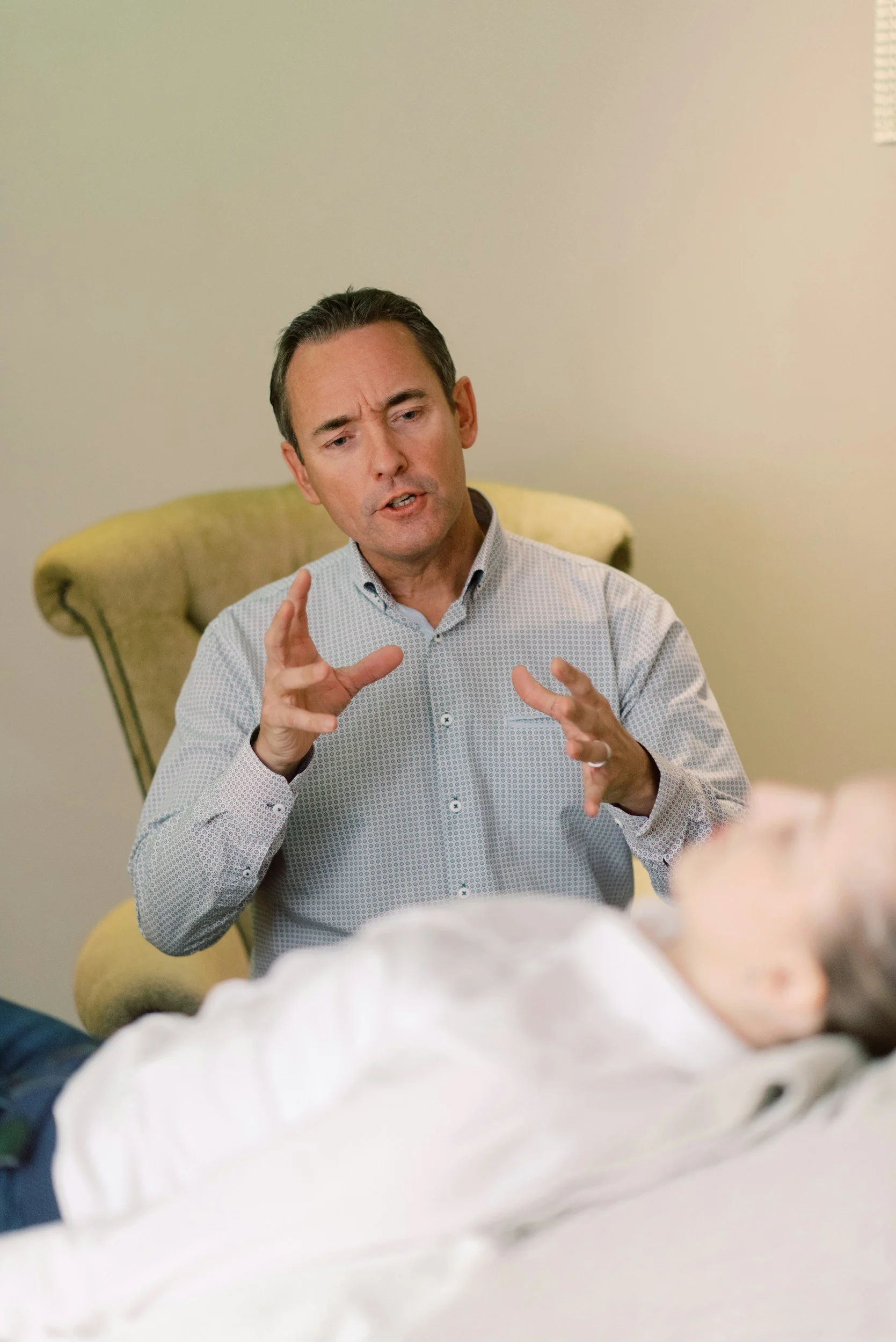
Take, for example, Dr. Jamie Lewis at NW Spine & Pain Medicine, who is helping reshape what integrative care can look like. At clinics like his, patients are no longer treated like walking pain scales. They’re seen as whole people—with unique histories, habits, and healing timelines.
Let’s break down what that actually means—and why it works.
Why the “One-Fix-Fits-All” Mentality Falls Flat
Here’s the truth: pain doesn’t come from one source. So it makes sense that a single approach probably won’t fix it either.
Maybe your pain began with an old injury, but now your sleep is out of whack, your posture has slipped, and stress has made your muscles tense. Or maybe you’ve got nerve inflammation, but it’s being worsened by inactivity or poor movement habits. The point is, pain is rarely just physical—or just chemical.
And yet, for too long, treatment plans have been linear. A shot. A pill. A suggestion to “stretch more.” If that doesn’t work, patients are often told to wait it out or come back later.
That’s where integrative pain clinics are stepping in to offer something more thoughtful—and more effective.
What “Integrative” Really Means (Spoiler: It’s Not Just a Buzzword)
When we say “integrative,” we’re talking about a clinic that brings multiple disciplines under one roof—not to compete with each other, but to collaborate. These might include:
Physical therapy to improve movement and rebuild strength
Regenerative medicine like PRP or stem cell therapy to encourage natural healing
Trigger point injections or nerve blocks for targeted pain relief
Mind-body support like breathing exercises or behavioral therapy
Advanced diagnostics to pinpoint exactly where the problem is coming from
Instead of running around town trying to coordinate care, patients at integrative clinics get a team that actually works together. It’s like building a playlist where every track supports the next—customized for your body and your goals.
Stretch: Relearning How to Move (Without Making Things Worse)
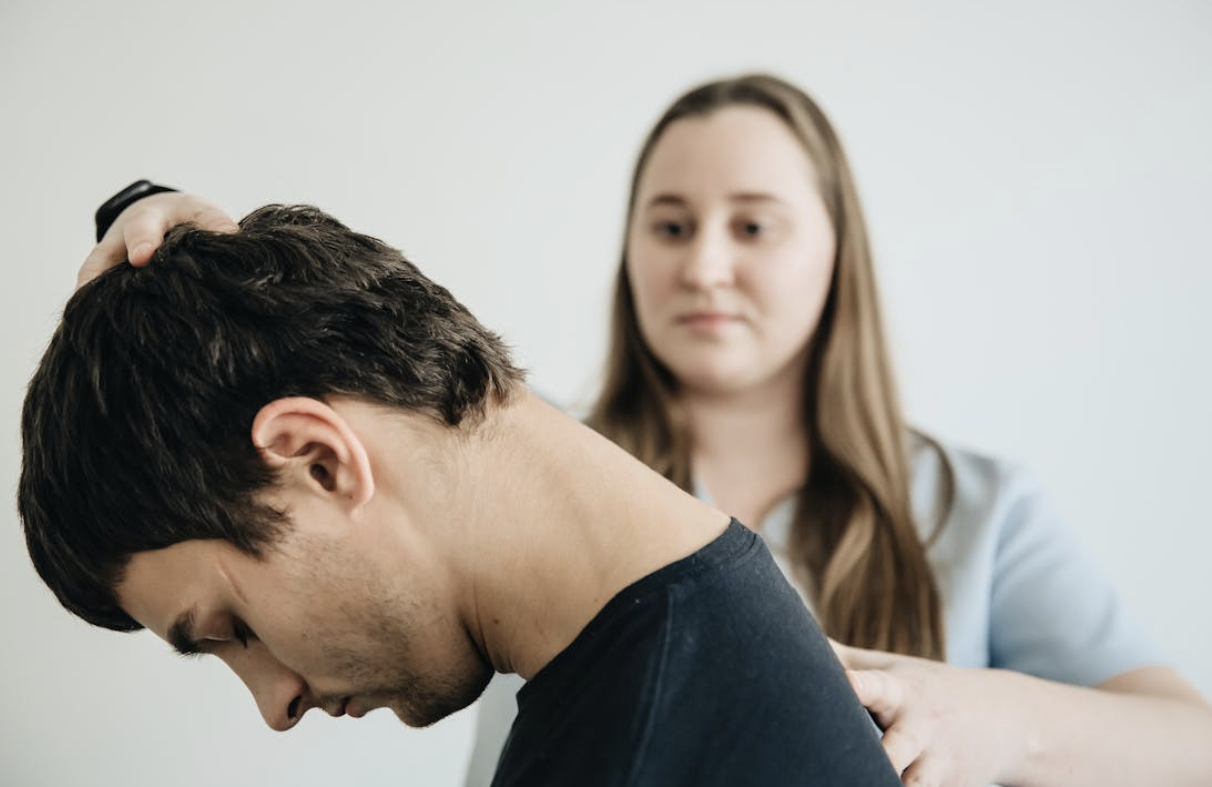
Let’s start with the obvious one: physical therapy. Yes, everyone says you need to stretch. But what they don’t always explain is how to stretch when you’re in pain—and what not to do.
That’s where skilled therapists come in. Instead of giving you a generic handout, they watch your form, spot imbalances, and adjust routines based on real-time feedback. You’re not just regaining flexibility—you’re building smarter movement patterns.
In many integrative pain clinics, PTs also work closely with physicians to time exercises around other treatments, like injections or nerve stimulation. That coordination makes a huge difference in how fast you heal and how strong you stay.
Stimulate: Helping the Body Heal Itself
Regenerative medicine is having a moment—and for good reason. Techniques like platelet-rich plasma (PRP) therapy and stem cell injections are helping reduce inflammation and trigger natural healing processes that often slow down as we age.
For patients who’ve already tried cortisone shots or oral pain meds without lasting success, these therapies offer a different path. They’re not masking pain—they’re working to restore damaged tissue.
Of course, these treatments aren’t magic. They work best when paired with physical therapy, proper rest, and ongoing movement. But in the right context, regenerative care can be the turning point for people who’ve hit a wall with traditional options.
Strengthen: Building a Body That Resists Relapse
Once the worst of the pain is under control, the goal shifts to long-term protection. That’s where strengthening comes in—not just big muscle groups like quads or glutes, but smaller stabilizers that keep your joints aligned and your movements efficient.
Many pain clinics now integrate core training, functional movement coaching, and even occupational therapy to help patients build routines that make sense for their everyday life. Whether you’re getting back to sports or just want to lift groceries without wincing, the idea is to train your body to support itself better—so the pain doesn’t come back.
This is where the magic really happens. Because when strengthening follows stretching and stimulation, recovery doesn’t just last—it evolves.
The Mind-Body Connection: Don’t Sleep on This (Literally)
A lot of clinics now recognize that chronic pain often comes with mental and emotional side effects—anxiety, depression, poor sleep, and even isolation. Ignoring these parts of the experience doesn’t just make life harder; it can literally make pain worse.
That’s why some pain specialists work closely with behavioral health professionals or mindfulness coaches. It’s not about telling people to “just relax.” It’s about using tools like:
Breathing techniques to calm the nervous system
Guided imagery to ease tension
Cognitive behavioral therapy (CBT) to reframe negative thought loops
Sleep support strategies to aid in nighttime recovery
When your body feels heard and your brain feels safe, pain tends to quiet down too.
Imaging That Actually Informs the Plan
Let’s not forget diagnostics. A lot of patients have had MRIs or X-rays done before—only to be told their scan “looks normal” while their pain persists. That disconnect is incredibly common.
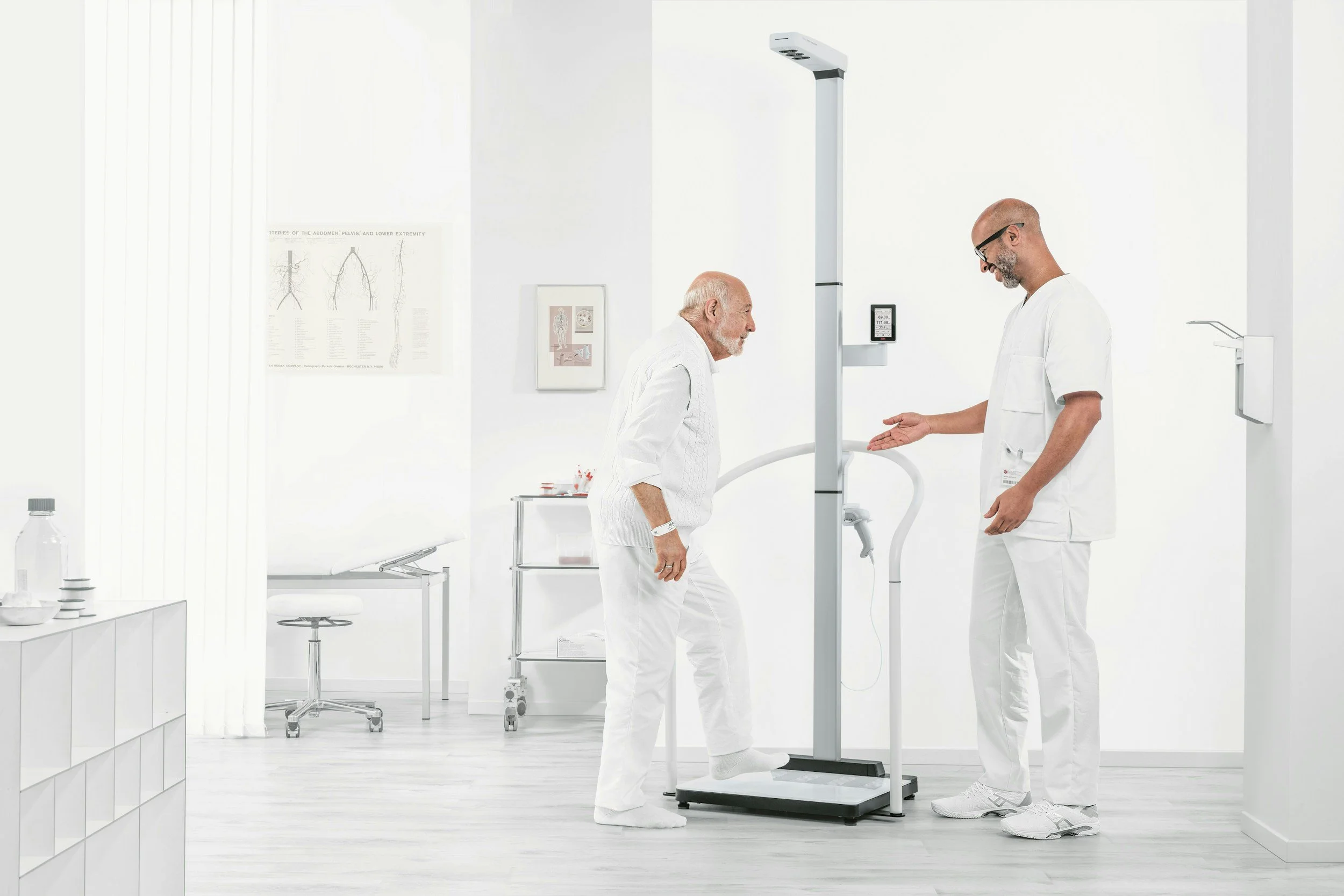
Modern clinics don’t just rely on static images. They may use dynamic imaging, ultrasound guidance, or EMG studies to track how your body moves in real-time and how nerves are actually functioning. This level of detail helps tailor treatments to you, not just to your diagnosis code.
The Value of One Collaborative Team
One of the most frustrating parts of managing chronic pain is bouncing between specialists who never talk to each other. An integrative clinic changes that.
At Northwest Spine & Pain Medicine, for example, you don’t just get referred out—you get looped in to a system where every practitioner shares updates, treatment milestones, and next steps. That means fewer dead ends, faster adjustments, and more chances to actually feel better without starting over every time.
What a Typical Plan Might Look Like
While every case is different, here’s how a patient’s first few months at an integrative clinic might unfold:
Week 1–2: Comprehensive evaluation, diagnostic imaging, initial pain control (e.g., nerve block)
Week 3–6: Begin physical therapy, possibly pair with regenerative therapy (e.g., PRP)
Week 6–10: Introduce strengthening exercises, adjust based on progress
Ongoing: Mindfulness or behavioral support, re-evaluation, and long-term planning
The key? Flexibility. Plans evolve with the patient—not the other way around.
Why This Model is Gaining Ground
Patients are tired of band-aids. They want solutions that respect their time, their bodies, and their goals. Integrative clinics deliver on all three.
They also reduce the risk of over-reliance on painkillers, which is a major concern in today’s healthcare environment. By offering multiple, evidence-based modalities, they help patients take an active role in their healing—and stay off the prescription roller coaster.