Telehealth Psychiatrist vs In-Person: Which Offers Better Convenience and Care?
Mental health care has transformed dramatically over the past few years, with technology opening new doors for patients seeking psychiatric support. The choice between seeing a telehealth psychiatrist and visiting one in person has become a common dilemma for many individuals looking to prioritize their mental wellness.
Both options offer unique advantages, but understanding which approach aligns best with your specific needs can make all the difference in your treatment outcome. Whether you're dealing with anxiety, depression, or other mental health challenges, the format of your care can significantly impact your comfort level and treatment consistency.
Understanding Telehealth Psychiatry
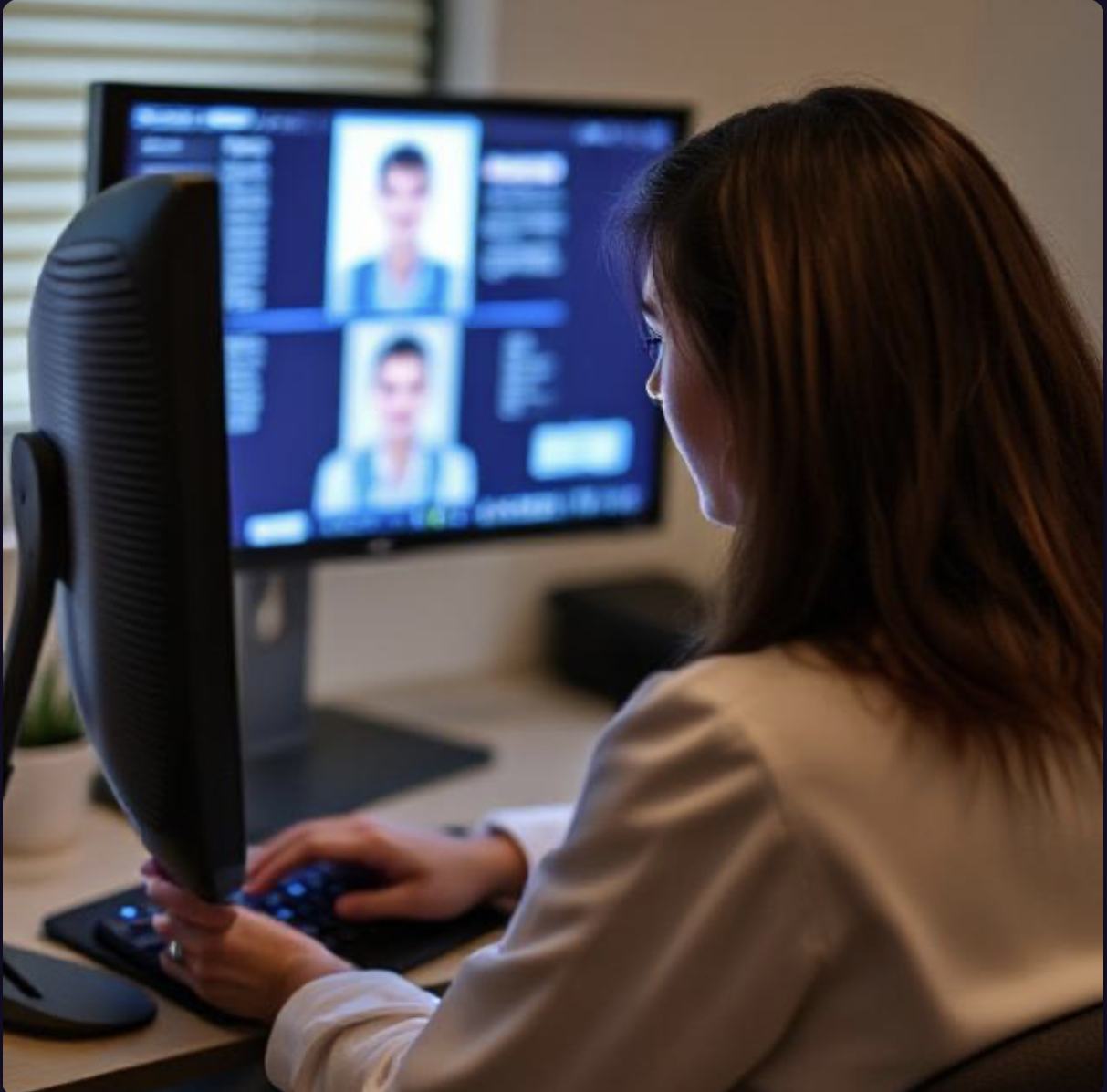
A telehealth psychiatrist provides mental health services through digital platforms, allowing patients to receive professional psychiatric care from the comfort of their own homes. This approach utilizes video calls, secure messaging, and digital health platforms to maintain the therapeutic relationship between doctor and patient.
The concept has gained tremendous momentum, particularly as people seek more flexible healthcare options. Telehealth psychiatry encompasses everything from initial consultations and therapy sessions to medication management and follow-up appointments, making mental health support more accessible than ever before.
What Are Important Differences Between Telehealth and In-Person Care?
Accessibility and Convenience Factors
One of the most significant advantages of working with a telehealth psychiatrist is the elimination of travel time and geographical barriers. Patients living in rural areas or those with limited mobility find this particularly valuable, as they can access specialized care without the burden of long commutes.
The convenience extends beyond just location:
Flexible scheduling options, including evening and weekend availability
No need to take time off work for travel
Reduced childcare needs during appointments
Elimination of transportation costs and parking fees
However, in-person care provides certain conveniences that digital platforms cannot replicate. The structured environment of a medical office can help some patients feel more focused and committed to their treatment.
Communication and Therapeutic Connection
The therapeutic relationship forms the foundation of successful psychiatric treatment, regardless of the method of delivery. What are the essential differences between telehealth and in-person care when it comes to building this connection? Both formats can facilitate meaningful doctor-patient relationships, but they do so in different ways.
Telehealth platforms enable consistent communication through various channels, including video calls, secure messaging, and digital health monitoring tools. Some patients find it easier to discuss sensitive topics when they're in their own familiar environment, leading to more honest and productive conversations.
In-person interactions, on the other hand, provide the full range of nonverbal communication cues that can be essential for psychiatric assessment and treatment. Healthcare providers can observe body language, energy levels, and other subtle indicators that might not be as apparent through a screen.
The telehealth vs in-person debate often centers on which format creates stronger therapeutic bonds. While both can be effective, the choice depends on individual communication preferences and comfort levels with technology versus face-to-face interaction.
Technical Requirements and Limitations
Working with a telehealth psychiatrist requires reliable internet connectivity and the use of appropriate technology. While most people have access to these resources, technical issues can occasionally disrupt sessions or create barriers for individuals who are less tech-savvy.
Key technical considerations include:
Stable internet connection for video calls
Compatible device (smartphone, tablet, or computer)
Quiet, private space for sessions
Basic understanding of digital platforms
Privacy concerns also differ between the two approaches. While telehealth platforms utilize secure, encrypted connections, some patients prefer to discuss sensitive topics in the controlled environment of a medical office.
Key Advantages of Telehealth Psychiatry
Flexibility and Time Management
The flexibility offered by telehealth appointments cannot be overstated. Patients can schedule sessions during lunch breaks, before work, or during other convenient times without needing to account for travel time. This accessibility often leads to better adherence to treatment schedules and fewer missed appointments.
Cost-Effectiveness
Telehealth services frequently cost less than traditional in-person visits. Patients save money on transportation, parking, and time off work. Many insurance plans now cover telehealth services at the same rate as in-person visits, making this option financially attractive for many individuals.
Reduced Stigma
Some people feel more comfortable seeking mental health care through telehealth platforms because it reduces the perceived stigma associated with visiting a psychiatrist's office. This comfort level can encourage more people to seek help and maintain consistent treatment.
Benefits of In-Person Psychiatric Care
Comprehensive Physical Assessment
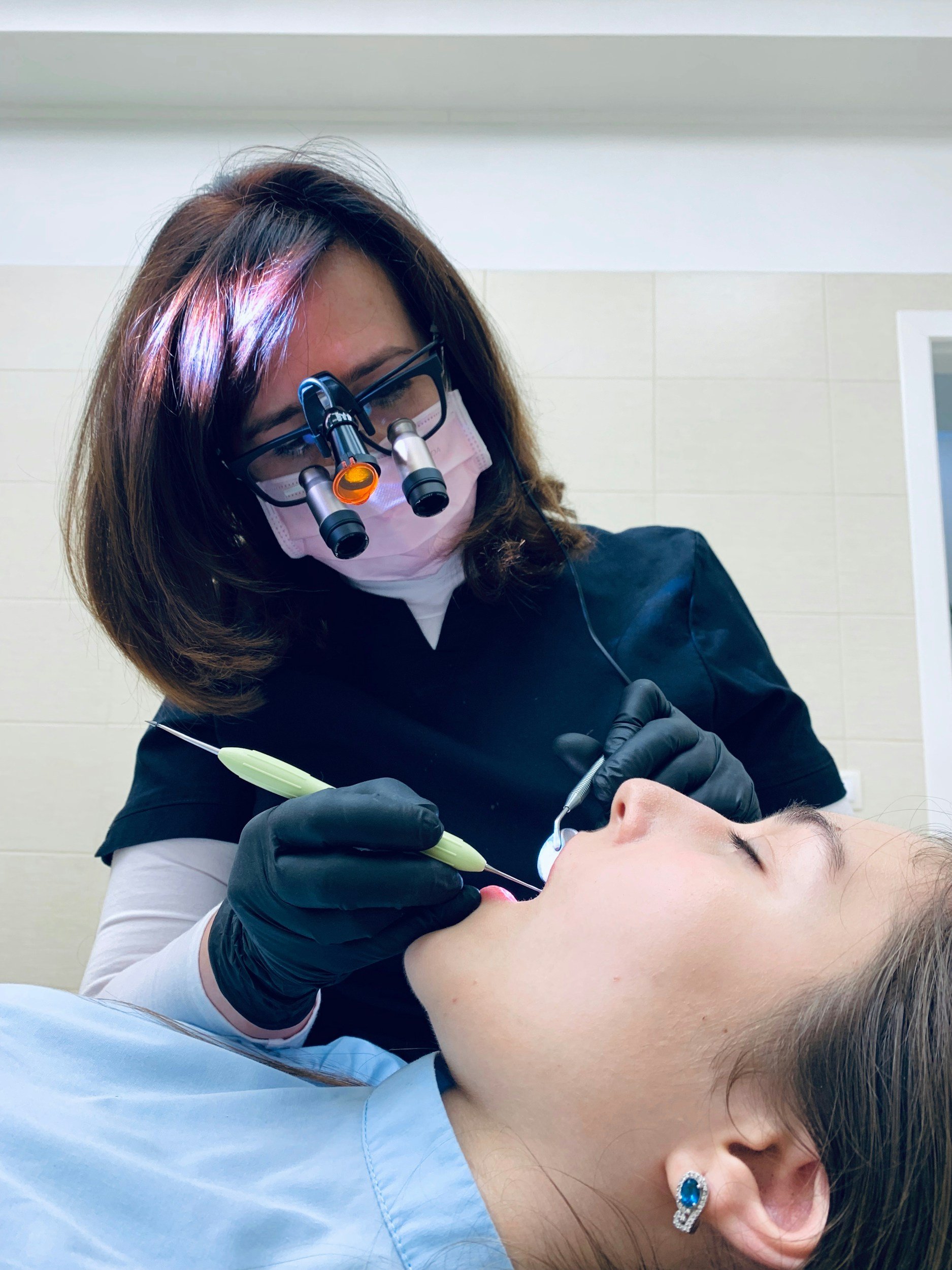
In-person visits allow healthcare providers to conduct complete physical examinations when necessary. This capability is particularly important for initial assessments, medication adjustments, or when physical symptoms might be related to mental health conditions.
Immediate Crisis Intervention
While telehealth vs in-person care both can address mental health crises, in-person visits provide immediate access to emergency interventions if needed. Healthcare providers can quickly arrange for additional support or hospitalization if a patient's condition requires immediate attention.
Enhanced Focus and Commitment
The structured environment of a medical office helps many patients stay focused during their sessions. The act of physically going to an appointment can reinforce the importance of treatment and help patients feel more committed to their recovery process.
Factors to Consider When Choosing
Your Specific Mental Health Needs
The nature of your mental health condition plays a crucial role in determining which format works best. Some conditions respond well to telehealth therapy vs in-person care, while others may benefit more from the comprehensive assessment capabilities of in-person visits.
Anxiety and depression often show positive outcomes with telehealth treatment, as patients can receive care in comfortable, familiar environments. However, complex psychiatric conditions requiring detailed physical examinations or crisis intervention may be better suited for in-person care.
When considering telehealth vs in-person options, think about your specific symptoms, treatment history, and the level of support you need. Some patients require the structure and accountability that come with in-person appointments, while others thrive with the flexibility of virtual sessions.
Technology, Comfort, and Access
Consider your comfort level with technology and your access to reliable internet connectivity. If technical issues cause significant stress or interfere with your ability to communicate effectively, in-person care is more suitable.
Personal Preferences and Lifestyle
Think about your daily routine, work schedule, and personal preferences. Some people thrive in the comfort of their environment, while others prefer the professional setting of a medical office. Your choice should align with what makes you feel most comfortable and supported.
Consider factors such as work flexibility, family responsibilities, and access to transportation. What are the essential differences between telehealth and in-person care for your specific lifestyle? If you have a demanding schedule or live in a remote area, telehealth might offer significant advantages. If you prefer clear boundaries between home and healthcare, in-person visits might be more suitable.
Making the Right Choice for Your Mental Health
The decision between telehealth and in-person psychiatric care doesn't have to be permanent. Many patients find that a combination of both approaches works best for their needs. You might start with telehealth therapy vs in-person sessions to determine which format feels more comfortable, or use telehealth for regular check-ins while scheduling in-person visits for comprehensive assessments.
The essential differences between telehealth and in-person care ultimately come down to your individual needs, preferences, and circumstances. The most crucial factor is ensuring that you receive consistent, high-quality care that effectively addresses your mental health needs, regardless of the format you choose.