
What to Expect Before and After a Tooth Extraction
Getting a tooth pulled is a common dental procedure. Yet, it can still make many people feel nervous or unsure.
Knowing what happens before and after the extraction can help ease your worries. A tooth may need to be removed because it's damaged, your mouth is too crowded, or there's an infection.
Learning what to expect and how to care for your mouth afterward can make the process much easier.
Preparing for Your Tooth Extraction
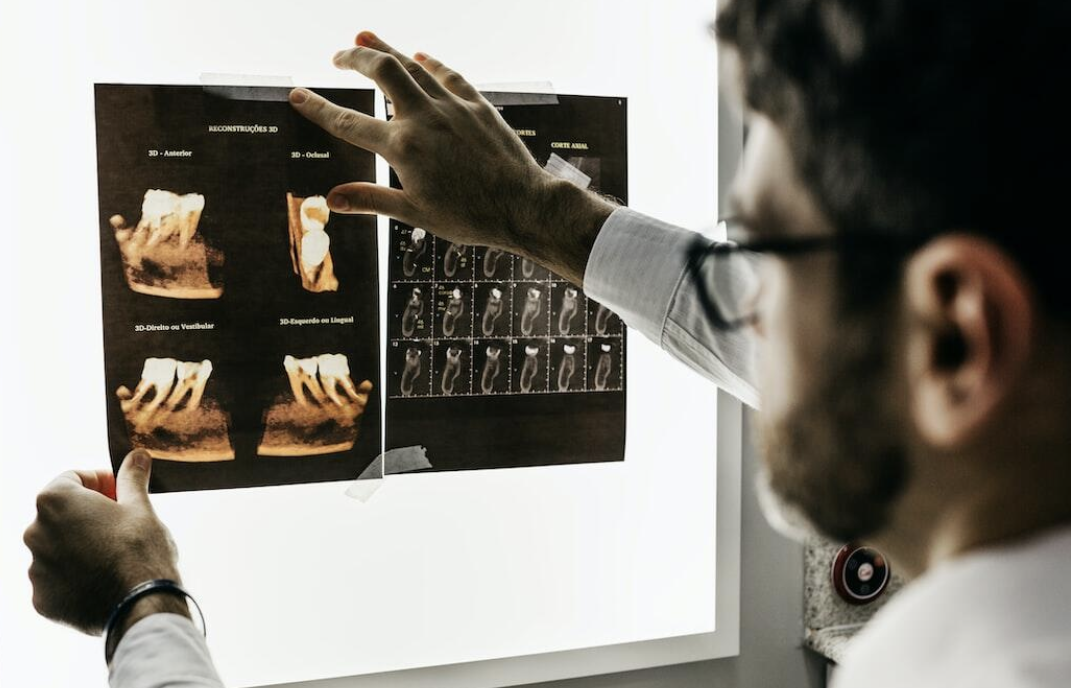
The preparation for a tooth extraction is crucial in ensuring the procedure goes smoothly. First and foremost, your dentist or oral surgeon will conduct a thorough examination, which may include dental X-rays to assess the condition of your tooth and surrounding organs. It's also essential to disclose your complete medical history, including any medications you might be taking or pre-existing conditions.
Prior to the surgery, your dentist will provide specific instructions that might include dietary recommendations and guidelines regarding blood thinners. If sedation is needed, someone should accompany you to drive you home, and you'll want to plan for some downtime afterward.
The Tooth Extraction Procedure
The extraction procedure itself can vary depending on the tooth's condition and its location in the mouth. Simple extractions typically involve loosening the tooth with an instrument called an elevator and then removing it with forceps. If the tooth is impacted or broken, a surgical extraction may be necessary, which involves incisions in the gum. This is usually performed under local anesthesia or sedation to ensure patient comfort.
Patients often express concern about pain during the procedure. However, most report only feeling pressure during the extraction and not actual pain, thanks to anesthesia.
Immediate Aftercare Post-Extraction
After a tooth extraction, patients may experience varying degrees of discomfort, swelling, and bleeding. The key to a smooth recovery lies in knowing how to care for your mouth post-procedure. Whether you've had a simple extraction or a more complex one, effective aftercare is essential to avoid complications and promote healing.
Follow Your Dentist's Instructions
Your dentist or oral surgeon will provide specific aftercare instructions tailored to your situation. Always prioritize these guidelines, as they are designed to facilitate a speedy recovery. Following their advice on medication, dietary restrictions, and activities to avoid will lay the foundation for your healing journey.
Manage Bleeding Properly
Bleeding is a common occurrence after a tooth extraction. To manage it effectively, bite down gently on a gauze pad placed directly over the extraction site for about 30-45 minutes.
If bleeding persists, replace the gauze and maintain pressure for additional time. Avoid using a straw or rinsing your mouth vigorously, as these actions can dislodge the blood clot essential for healing.
Control Pain and Discomfort
Post-extraction pain can vary from mild to severe. Over-the-counter pain relievers such as ibuprofen or acetaminophen can help manage discomfort effectively.
If your dentist prescribes medication, adhere to the prescribed dosage to ensure optimal pain control. Ice packs applied to the outside of your cheek can also help reduce swelling and numb the pain.
Keep Your Head Elevated
After the procedure, keeping your head elevated can minimize swelling and discomfort. Prop yourself up with pillows while resting or sleeping for at least the first 24 hours after the extraction. This position allows fluids to drain away from the extraction site, decreasing the likelihood of swelling.
Stick to a Soft Food Diet
In the initial days following a tooth extraction, it's crucial to consume soft foods that won't irritate the extraction site. Foods like yogurt, mashed potatoes, and smoothies are excellent options that provide nutrition without requiring vigorous chewing. Avoid spicy or acidic foods, as they can lead to irritation or discomfort.
Stay Hydrated
Hydration plays an essential role in healing. However, avoid using straws for at least 48 hours post-extraction as the suction can dislodge the blood clot.
Instead, sip water from a glass. Herbal teas and clear broths are also soothing options that can keep you hydrated while being gentle on your healing gums.
Maintain Oral Hygiene
Keeping your mouth clean is vital to preventing infection. Start rinsing your mouth gently with warm salt water after the first 24 hours.
Avoid brushing the extraction site directly for a few days. Instead, maintain good oral hygiene by gently brushing your other teeth, making sure not to disturb the healing area.
Monitor for Complications
After a tooth extraction, it is vital to monitor your recovery for any signs of complications. While some discomfort and swelling are expected, excessive bleeding, increasing pain, or signs of infection (like fever or pus) should be reported to your dentist immediately. Being proactive can help prevent more serious issues.
Schedule Follow-Up Appointments
Follow-up appointments are crucial to ensure that your extraction site is healing properly. During these visits, your dentist can assess the healing process and address any concerns you may have. Don't hesitate to ask questions or voice any worries about your recovery.
Common Symptoms Following Tooth Extraction
After the extraction, some common symptoms may arise, including swelling, discomfort, and minor bleeding. Swelling typically peaks around the second day and then gradually subsides. In most cases, these symptoms can be effectively managed at home with medications and ice applications.
Occasionally, complications such as dry socket can occur, where the blood clot dissolves or dislodges prematurely. Symptoms include an increase in pain or an unpleasant taste in the mouth. If you suspect a dry socket or experience increased discomfort, reaching out to your dentist is advisable.
Long-Term Recovery Tips
Ignoring post-operative care can lead to complications like dry socket, infection, or prolonged pain. Understanding the steps for effective long-term recovery after a tooth extraction can make a tremendous difference in your healing process.
Understanding the Healing Process
After a tooth extraction, the initial healing phase begins immediately. For about 24 hours, a blood clot forms in the socket where the tooth was removed, shielding the bone and nerve endings. Over the following weeks, this clot transforms into new tissue, gradually maturing into the bone.
Most patients experience significant healing within the first week, but complete recovery can take months. Properly caring for the extraction site significantly influences your recovery.
Within this phase, you might encounter several discomforts, such as swelling and mild pain. Understanding what to expect can help alleviate anxiety during this time.
Follow Your Dentist's Post-Op Instructions
When you need a tooth extraction, your dentist will provide specific aftercare instructions tailored to your situation. This might include guidelines on pain management, diet, and hygiene. By following these instructions closely, you can minimize complications and promote better healing.
Your dentist may recommend over-the-counter pain relievers or prescribed pain medications. Additionally, they might suggest applying ice packs to reduce swelling during the first few days. Ignoring professional advice can lead to unnecessary discomfort and extended healing times.
Nutrition Plays a Key Role
Your diet significantly impacts healing after a tooth extraction. Initially, it's advisable to stick to soft foods that are easy to chew, such as:
Applesauce
Yogurt
Mashed potatoes
Soup (not too hot)
Scrambled eggs
Avoid crunchy, hard foods that could disturb the healing site. Incorporating nutrient-rich foods can also support recovery.
Foods high in vitamins C and D, as well as calcium, are particularly beneficial in replenishing your body. As a rule of thumb, stay hydrated, and try to avoid straws, as sucking motion can dislodge the blood clot and result in dry socket.
Monitor for Signs of Complications
While most people heal without issues, being aware of potential complications is essential. If you notice:
Excessive bleeding within 24 hours
Severe pain that worsens
Signs of infection
Swelling that increases after the third day
Contact your dentist immediately. Early intervention can prevent more severe complications from developing and support a faster recovery.
Oral Hygiene Is Crucial
Maintaining proper oral hygiene following a tooth extraction is vital for preventing infection. However, you should be cautious about brushing near the extraction site for the first few days.
On the first day, rinse your mouth gently with warm salt water to help control bacteria. After the initial few days:
Brush your teeth gently.
Continue rinsing with salt water after meals.
Avoid mouthwash with alcohol for at least a week.
Good hygiene practices don't end with the extraction site. Remember to maintain your entire dental routine. Regular brushing and flossing will keep your teeth healthy and promote overall oral hygiene, which supports effective healing.
Managing Discomfort
Discomfort is expected after a tooth extraction, but there are ways to manage and alleviate it. Ice packs can significantly reduce swelling and numb the area. Over-the-counter pain medications can help control mild to moderate pain.
If your dentist has prescribed stronger pain relief or antibiotics, ensure you follow the instructions closely. Additionally, employing relaxation techniques like deep breathing or meditation can assist in managing any anxiety or stress associated with discomfort. Remember that everyone experiences pain differently, so don't hesitate to consult your dentist if the discomfort is beyond the expected range.
Rest and Recovery
Rest is essential after undergoing a tooth extraction. Taking time off from work or school can allow your body to focus on healing. Try to keep your head elevated, even when sleeping, for the first few nights to minimize swelling.
Avoid strenuous activities like exercise or heavy lifting for at least two days post-extraction. This will aid in faster recovery and reduce the risk of complications. Creating a comfortable environment at home can also facilitate relaxation.
Consider having pillows nearby for support and preparing activities that don't require physical exertion. Your body will need energy to heal. Prioritizing rest can help you bounce back sooner.
Follow-Up Appointments
It's essential to attend any follow-up appointments scheduled by your dentist. These visits allow your dentist to monitor your healing progress and address any concerns. During these appointments, they might check for infections, the status of the blood clot, and overall healing.
Keep a record of any symptoms or observations to discuss during your follow-up. This might include:
pain levels
swelling
or any signs of complications
If any unusual symptoms arise before your scheduled appointment, don't hesitate to reach out to your dentist for guidance.
Long-Term Dental Care After Extraction
Long-term recovery doesn't end with the healing process. Following a tooth extraction, it becomes vital to address your overall dental health to prevent future issues. Regular dental check-ups, brushing, flossing, and a healthy lifestyle contribute to sustained oral health.
Consider consulting your dentist about possible restorative options, such as implants or bridges, to replace the extracted tooth. Maintaining good oral hygiene and a balanced diet will not only help your gums and bone recover but also keep your remaining teeth in optimal health. Remember to educate yourself on the signs of potential dental issues to act early if they arise.
When to Seek Help
While some discomfort is expected, knowing when to seek professional help is vital. If you discover that you need a tooth extraction, remember to seek help from professionals to mitigate potential complications.
Understanding the Benefits of Tooth Extraction
Though the idea of undergoing a tooth extraction may seem daunting, it serves many benefits. Removing problematic teeth can alleviate pain and prevent future dental issues. Individuals often notice significant improvements in their oral health and comfort levels post-extraction.
Maintaining your teeth is paramount, but sometimes extraction becomes the best solution. By proactively managing dental issues and knowing what to expect, you can maintain better oral health over the long run.
Planning for Your Tooth Extraction Experience
Preparation can greatly influence your overall experience surrounding tooth extraction. Ensure you follow your dentist's pre-operative instructions and maintain open communication regarding your comfort and expectations.
Adequate preparation will assist in minimizing anxiety and make the process smoother. Knowing that dental professionals are equipped to handle tooth extractions with care can also provide peace of mind.
Embracing Your Recovery Journey
Knowing what happens before and after your tooth extraction can help make the whole experience more comfortable. Taking good care of your mouth after the procedure is important for healing.
Remember, the short-term discomfort is worth it for the long-term benefits. If you need a tooth removed, stay informed and follow your dentist's advice for the best results. Don't hesitate to ask your dentist any questions you may have along the way.
Like this article? Read more about these topics on our blog.